Diplomacy Begins with Details: Viacheslav Tsivatyi’s Lecture at the Junior Diplomatic Academy on Diplomatic Protocol and Etiquette
May 28, 2026
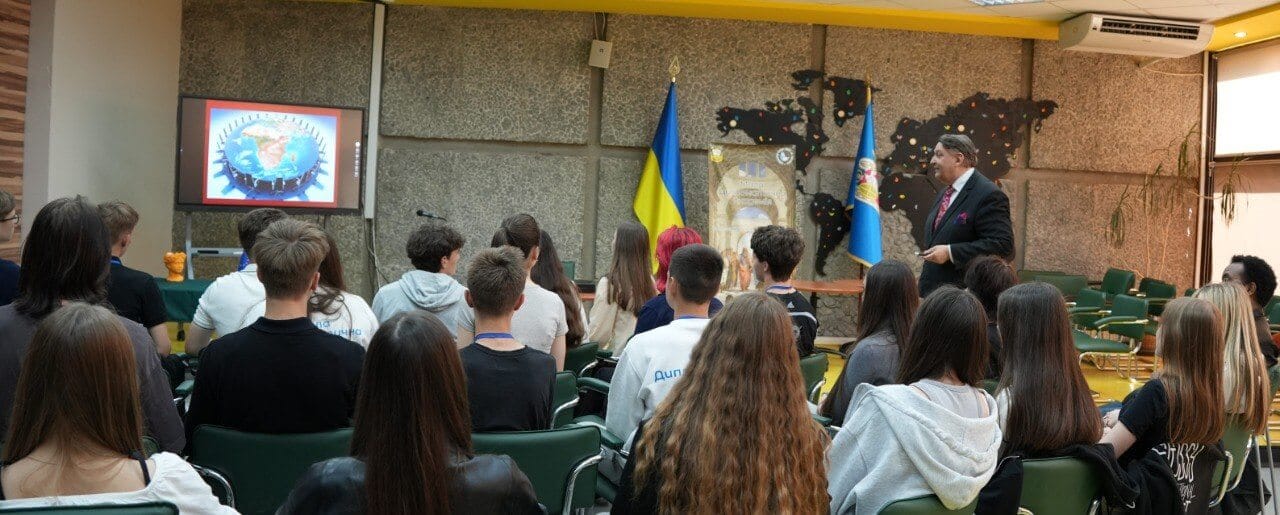
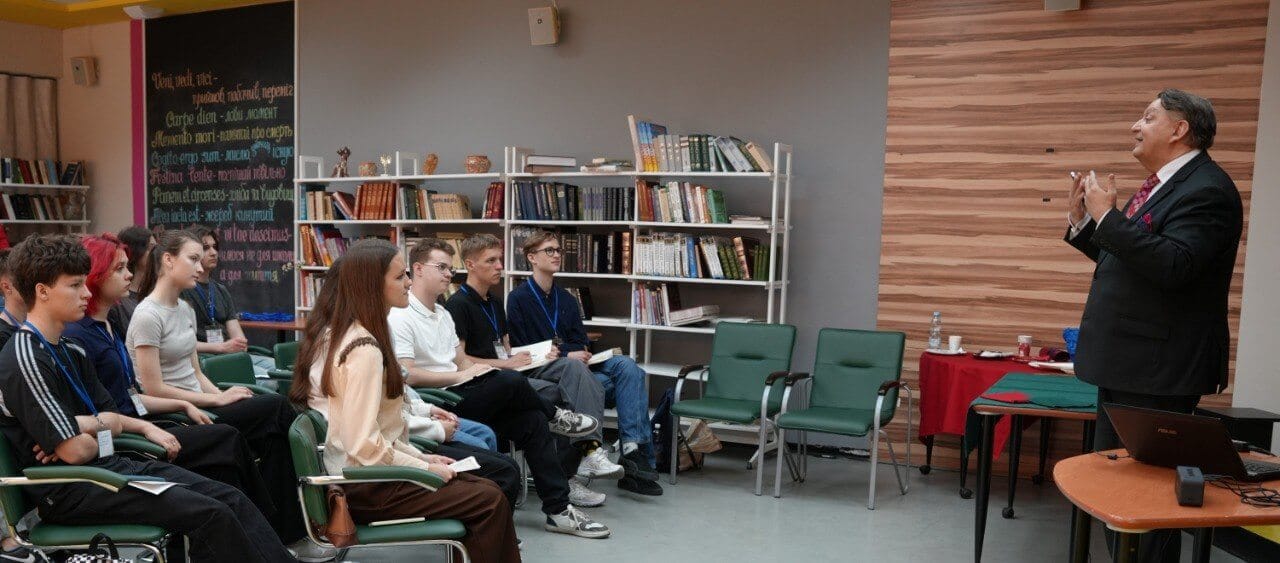
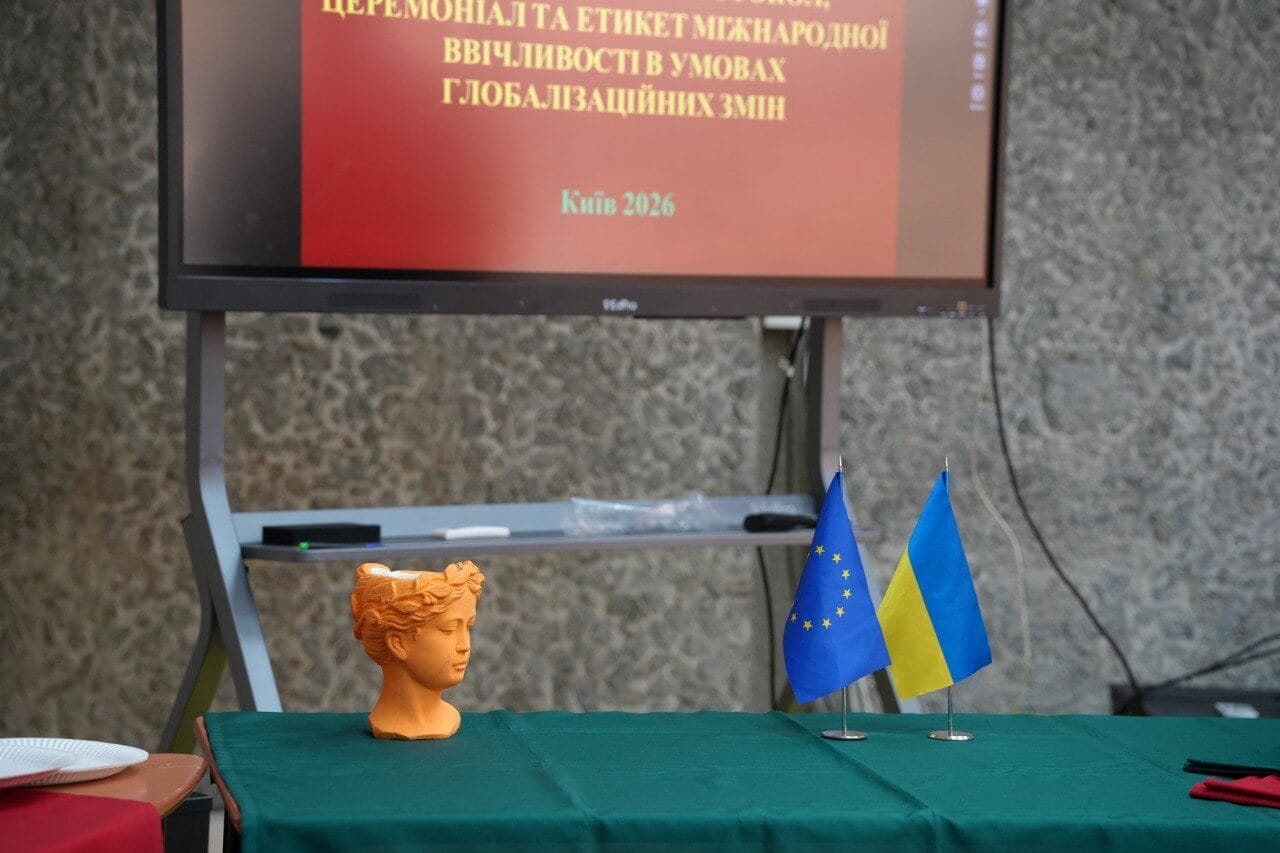
Students of the Junior Diplomatic Academy gathered for a lecture on a subject that lies at the heart of every diplomatic career: diplomatic protocol and the principles of international etiquette in today’s interconnected world.
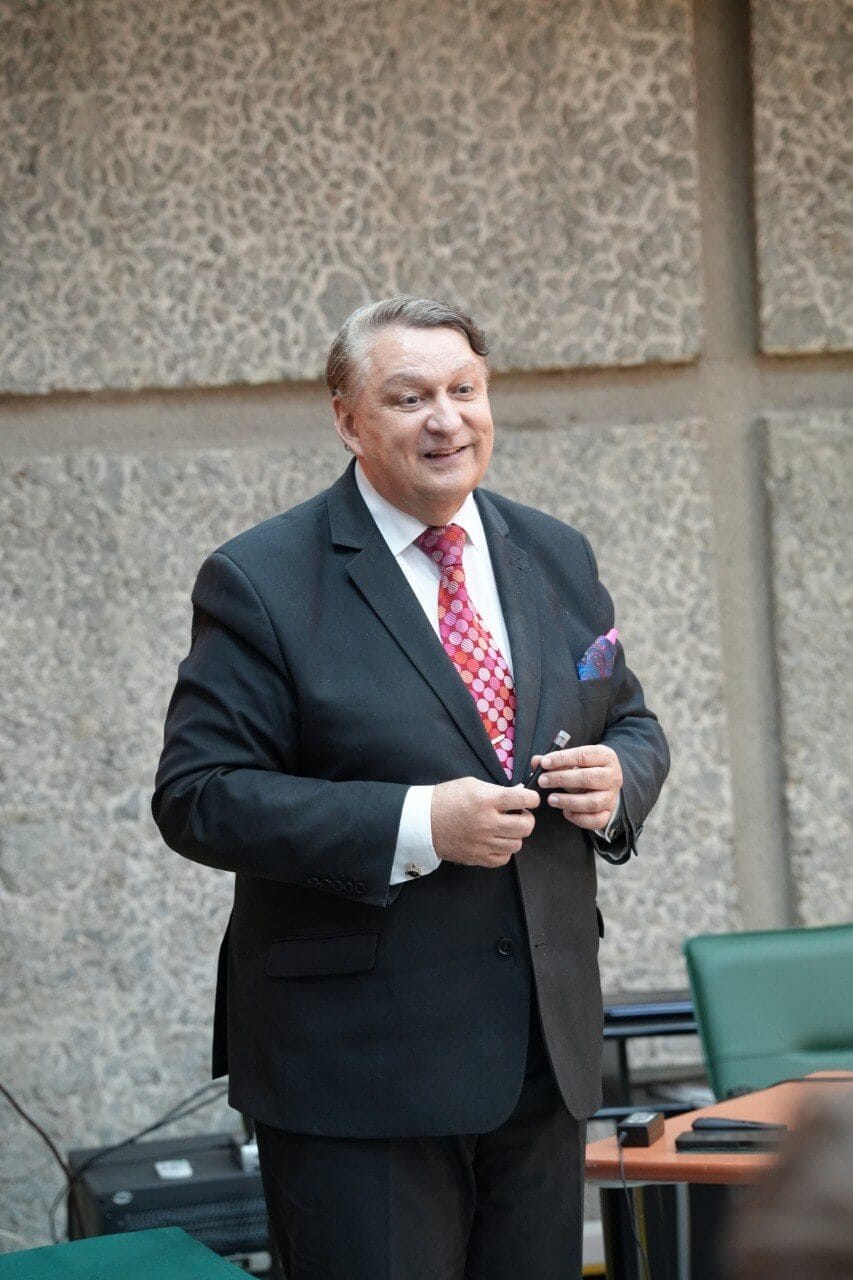
The session was led by Viacheslav Tsivatyi, a distinguished scholar and practitioner in the field of diplomacy. A PhD in History, Associate Professor, and Honored Education Worker of Ukraine, he specializes in diplomacy, diplomatic protocol, negotiation processes, and intercultural communication. As a lecturer at the Institute of International Relations of Taras Shevchenko National University of Kyiv, he has played a significant role in preparing generations of diplomats and international affairs professionals.
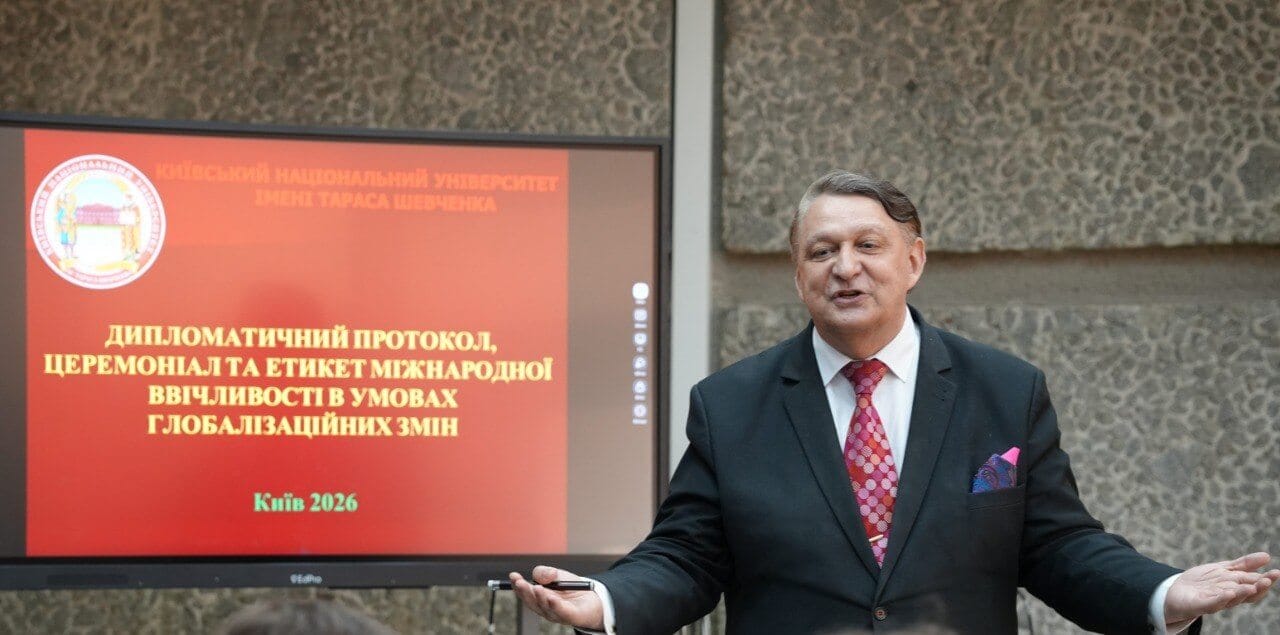
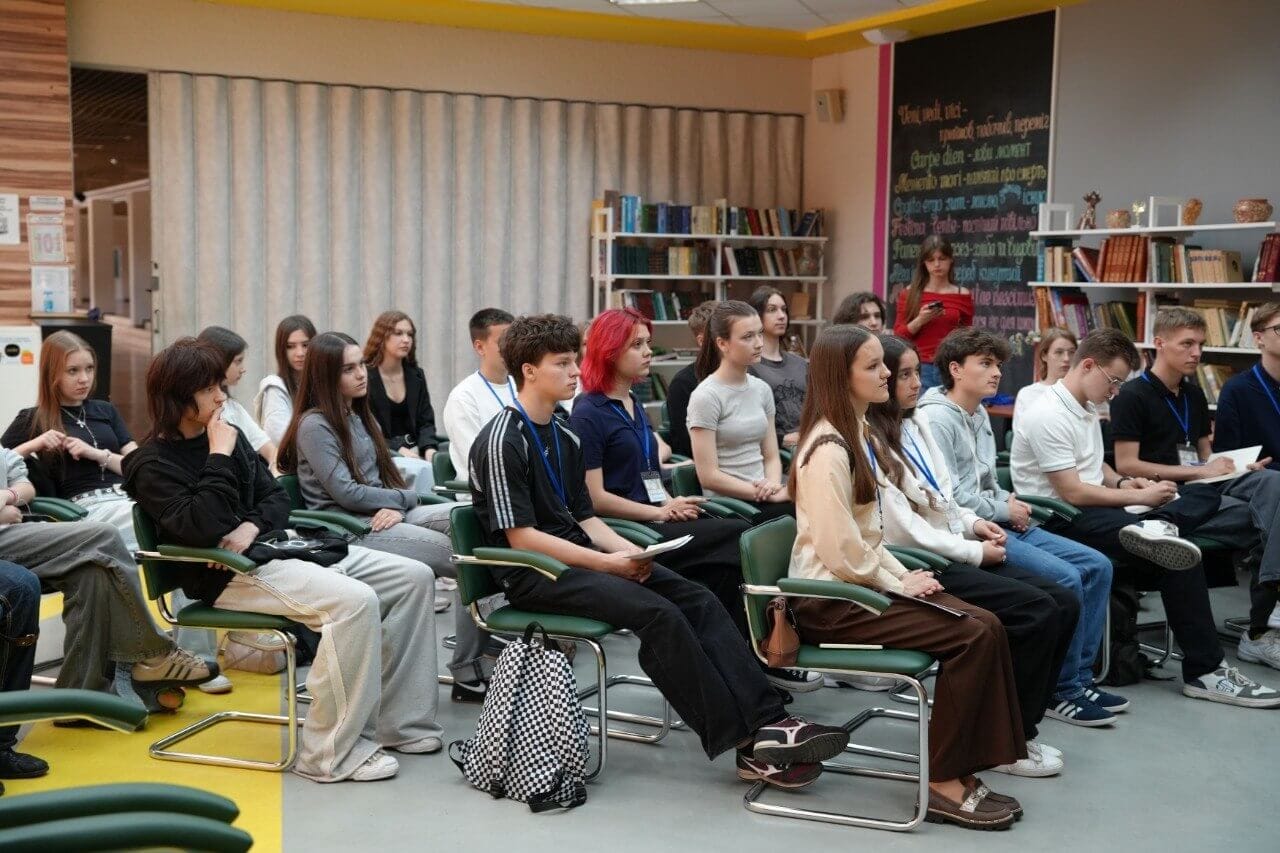
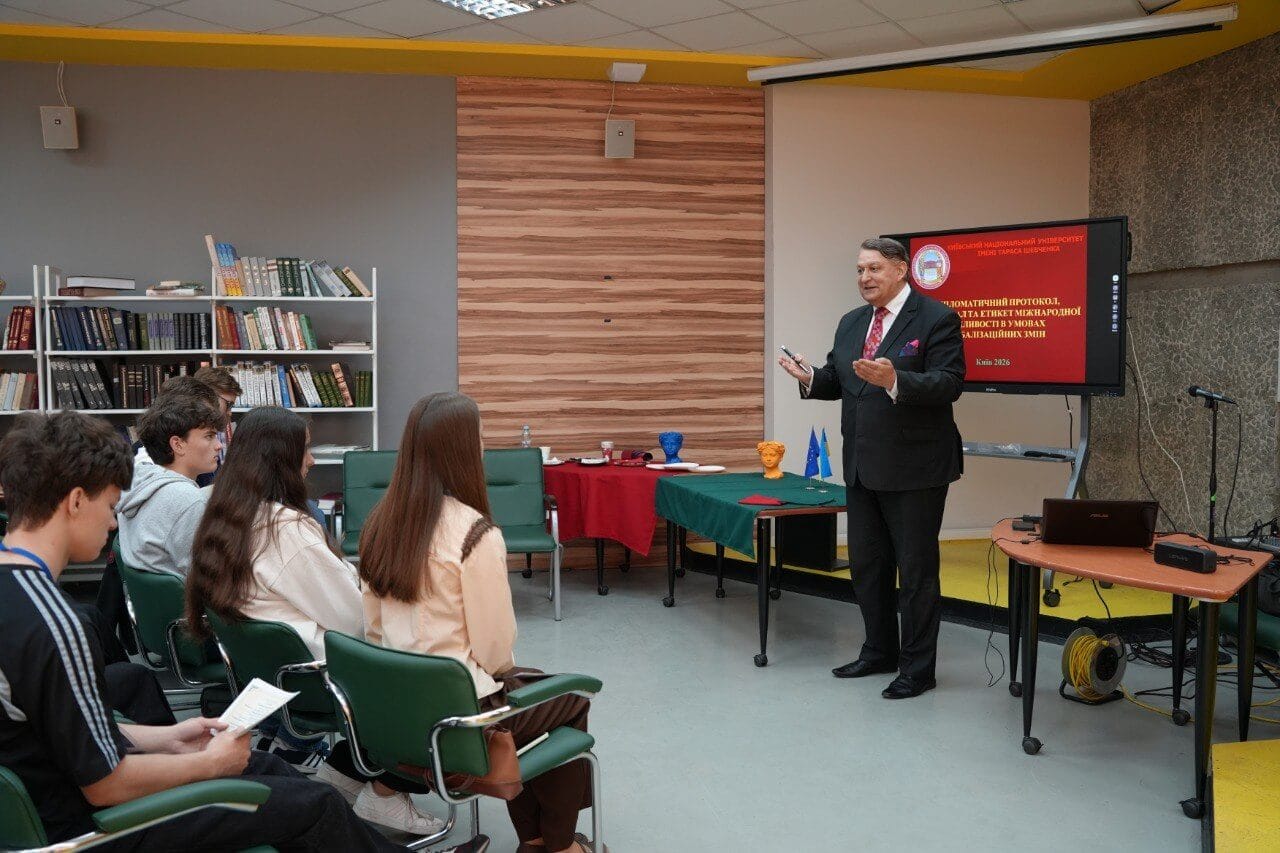
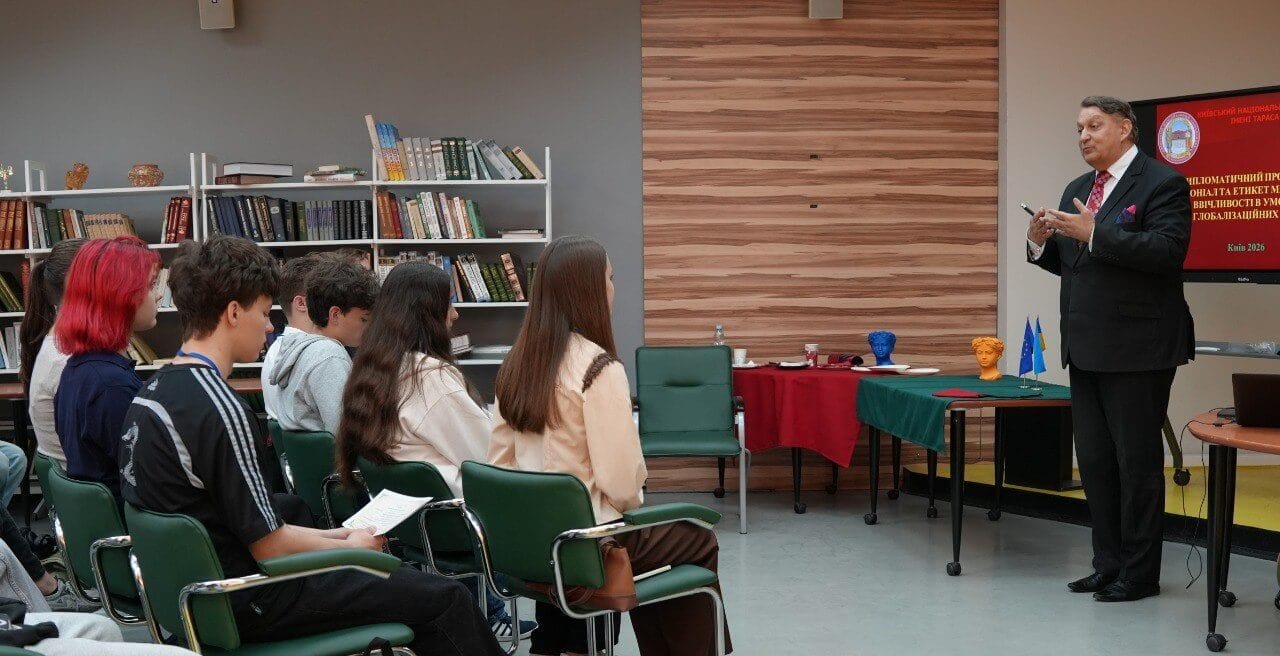
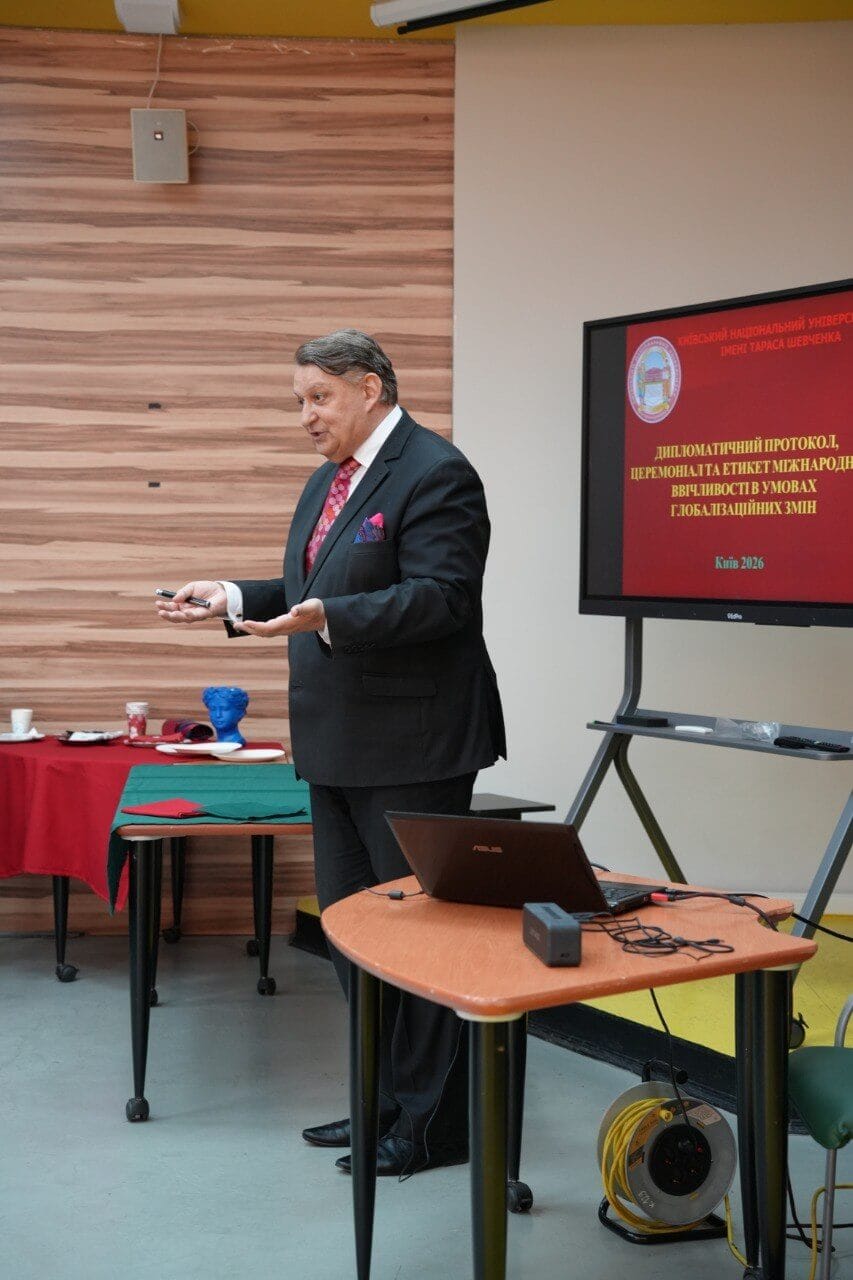
The lecture began with a simple but thought-provoking observation: in everyday life, people constantly rely on social norms and rules, often without even realizing it. From there, the discussion naturally progressed to diplomatic protocol—the framework of rules, symbols, and traditions that enables states to interact effectively and respectfully on the international stage.
Viacheslav Tsivatyi explained that diplomatic protocol underpins virtually every international event. Official visits, international conferences, and diplomatic meetings are all supported by carefully structured protocol and ceremonial procedures. Students learned about the role of the State Protocol Department of Ukraine’s Ministry of Foreign Affairs and explored why diplomatic service is regarded as a unique form of public service. The conversation also touched on the concept of “hidden protocol” — the unwritten conventions and expectations that may never appear in official documents but often have a significant impact on international relations and diplomatic communication.
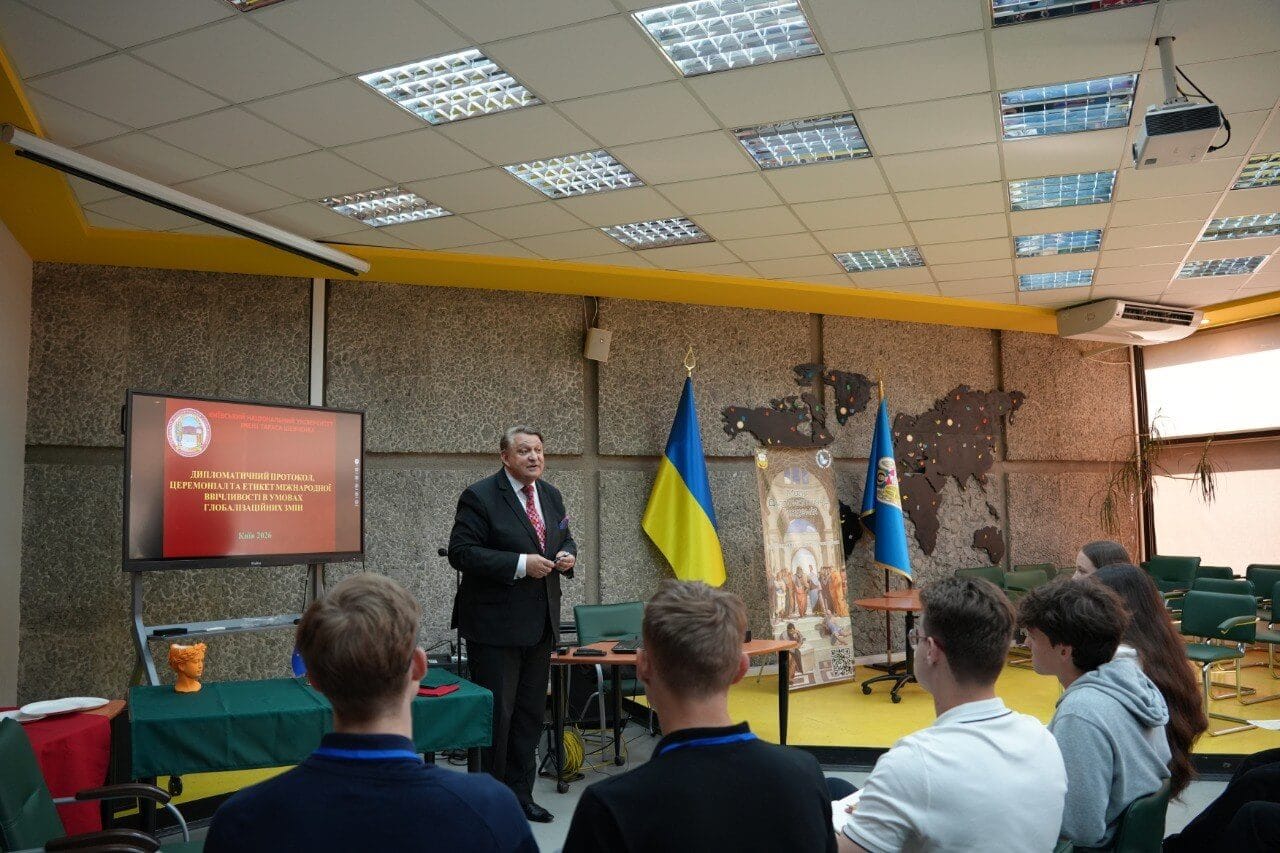
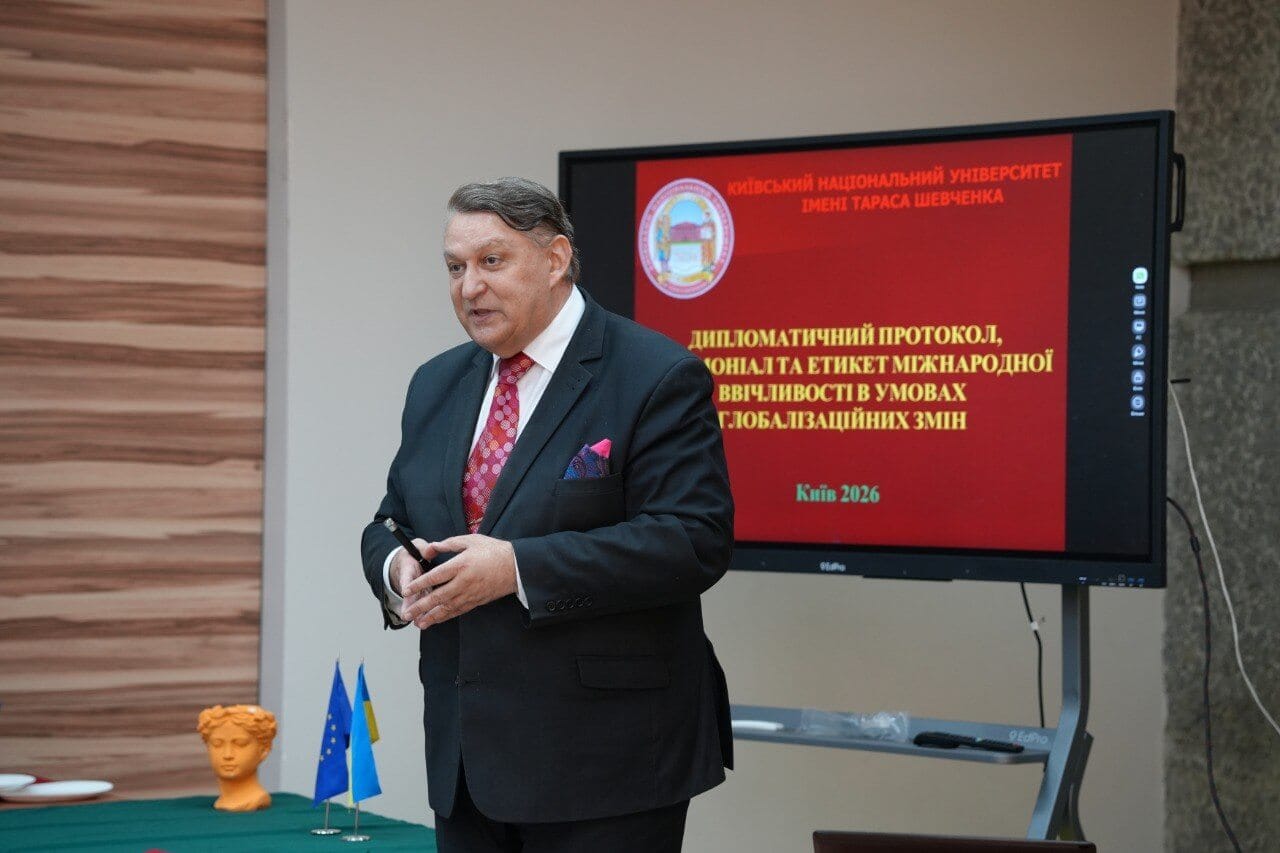
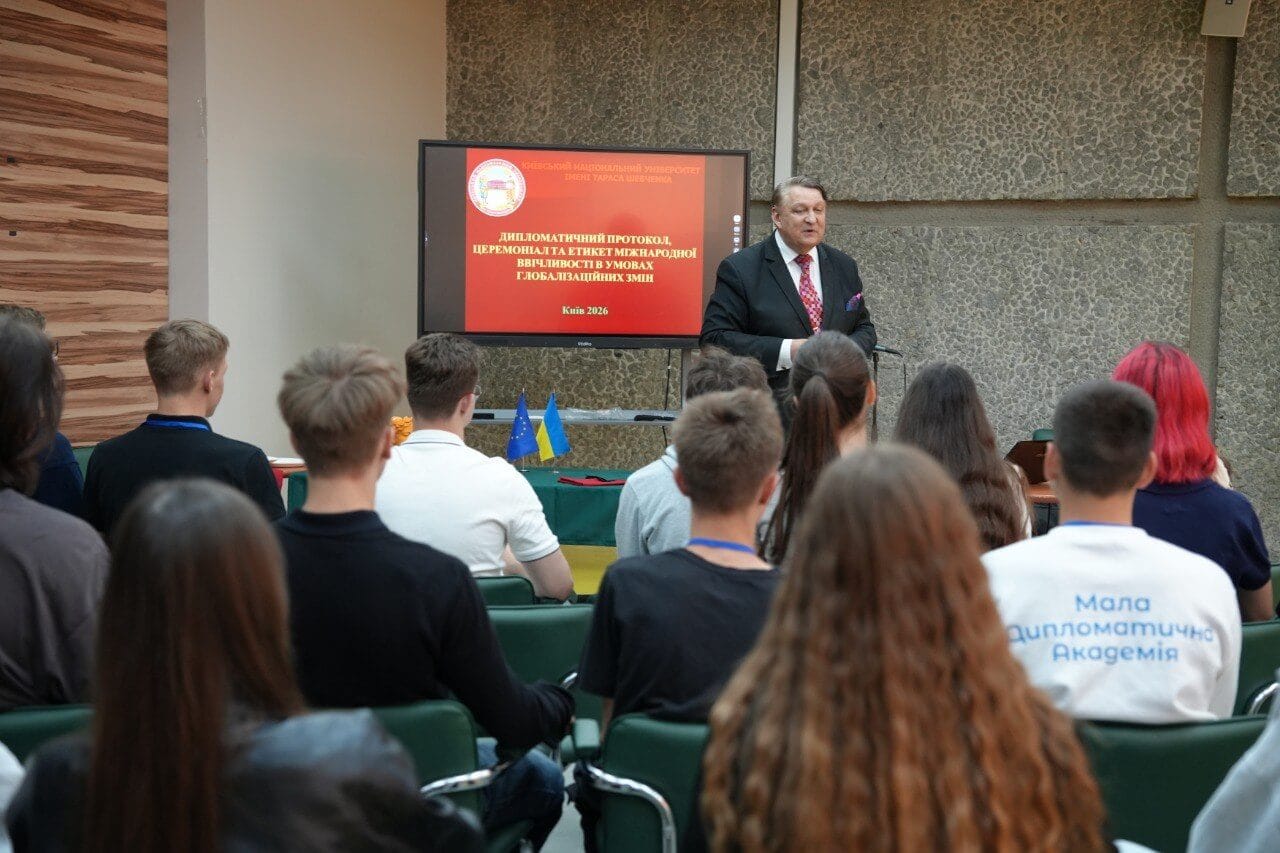
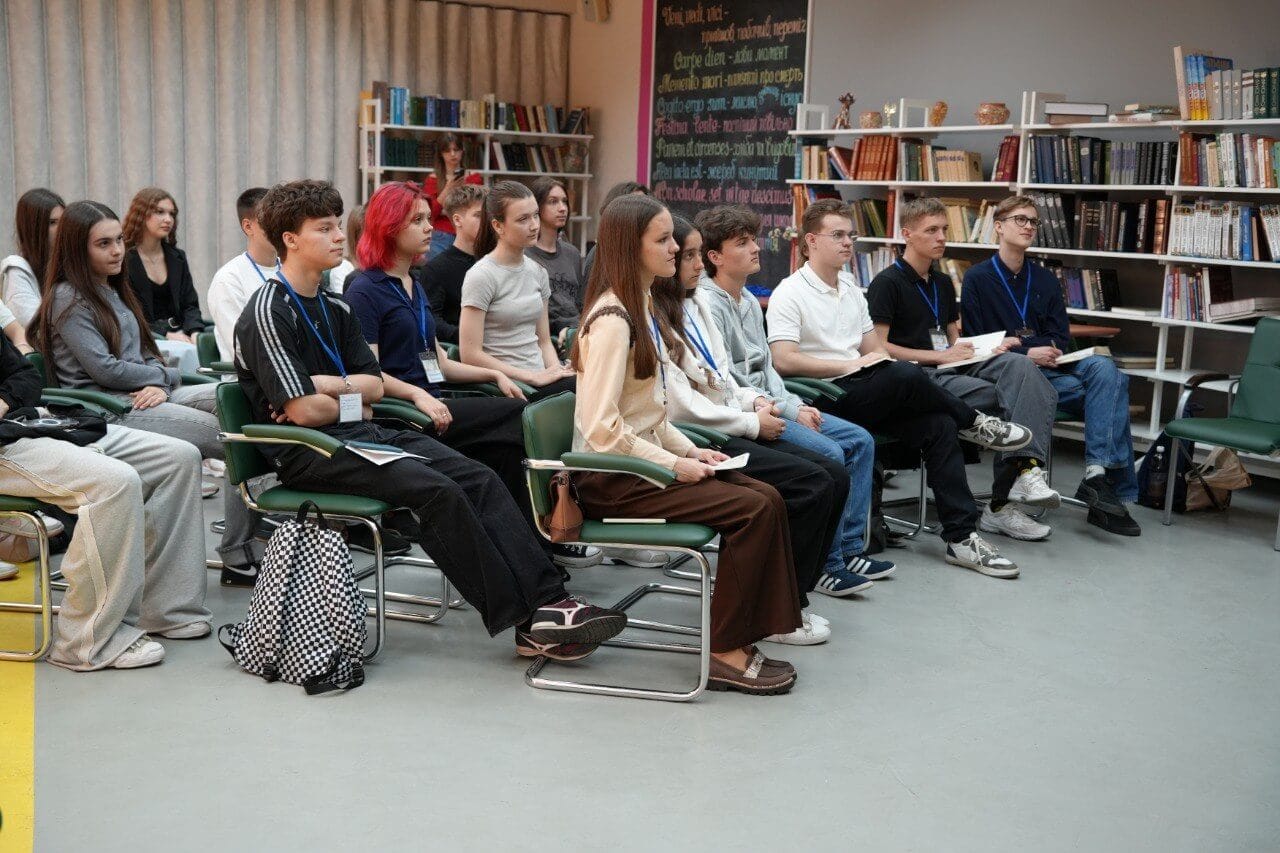
During the lecture, students explored both verbal and non-verbal etiquette, learning how greetings, expressions of gratitude, farewells, and other forms of courtesy can vary across cultures. One of the key takeaways was that gestures and phrases that seem perfectly natural in one country may carry a completely different meaning in another. For diplomats, understanding these cultural nuances is just as important as mastering the art of communication itself.
The most engaging part of the session was the practical exercise. Students stepped into an improvised restaurant environment, where they examined the principles of contemporary etiquette in real-life situations. Together with the lecturer, they discussed everything from proper napkin use and mobile phone etiquette at the table to tipping customs and the broader idea that etiquette is ultimately about consideration, respect, and situational awareness rather than rigid rules.
The discussion also covered table setting, the functions of different types of cutlery, and the conventions surrounding their use. Students were equally intrigued by the topic of automotive etiquette—an often-overlooked aspect of protocol that nevertheless plays an important role during official visits, diplomatic events, and high-level meetings.
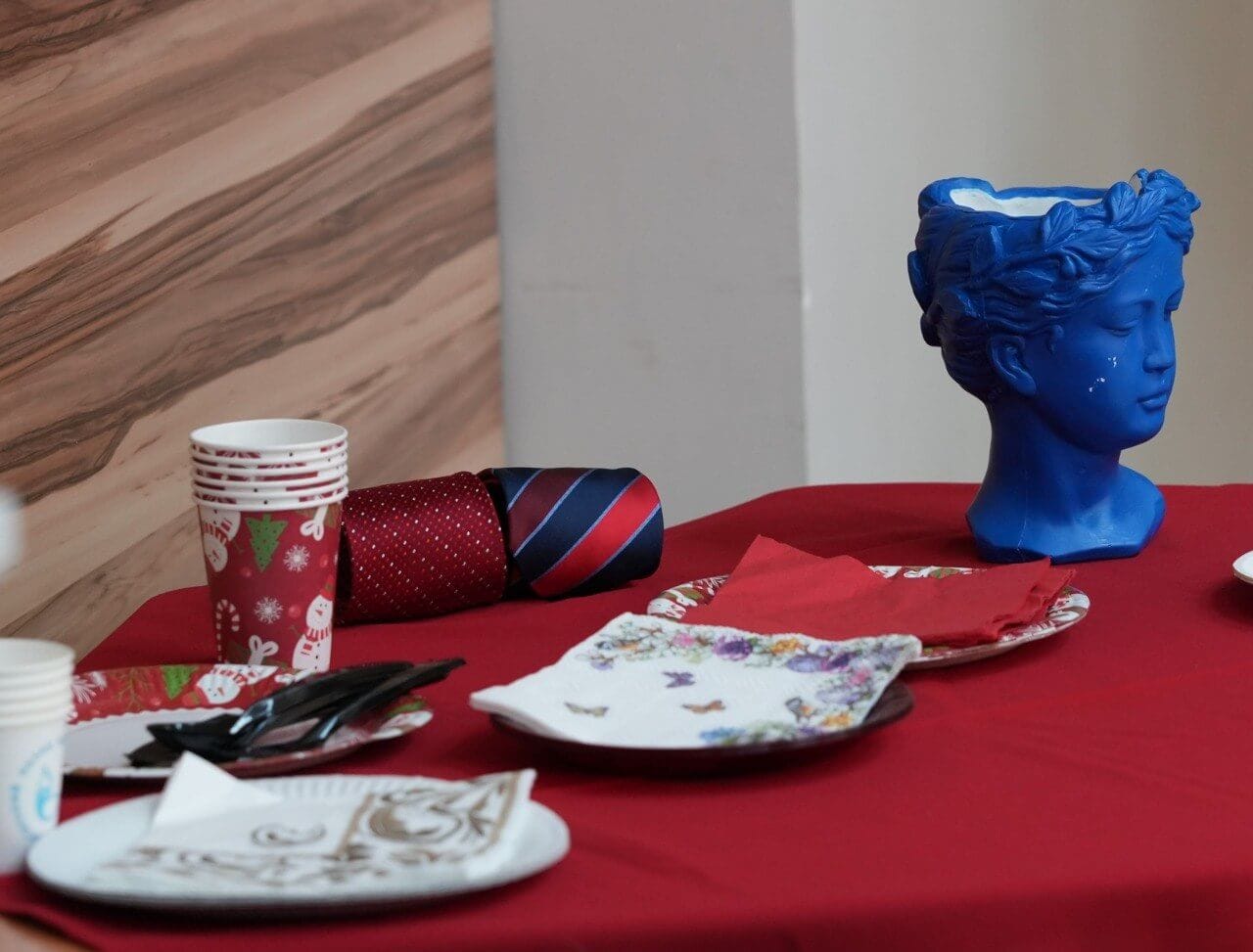
The session concluded on a light-hearted note as the boys practiced tying neckties and all participants learned another timeless diplomatic lesson: there is no such thing as too many ties.
“For our students, this lecture was an excellent reminder that diplomacy extends far beyond international negotiations and high-level political decisions. It begins with respect for others, attention to detail, the ability to navigate different cultural contexts, and an understanding of the principles that help people communicate effectively and build mutual understanding. What made this session particularly valuable was its combination of theory and practice—from diplomatic protocol to everyday etiquette. These are the skills that help young people feel more confident in today’s world and prepare them for future professional and international engagement”, noted Rita Kosiak, Head of the Project Office at the Kyiv Palace of Children and Youth.
