Opening of a Photo Exhibition Marking World Environment Day at the Embassy of Hungary
June 5, 2026
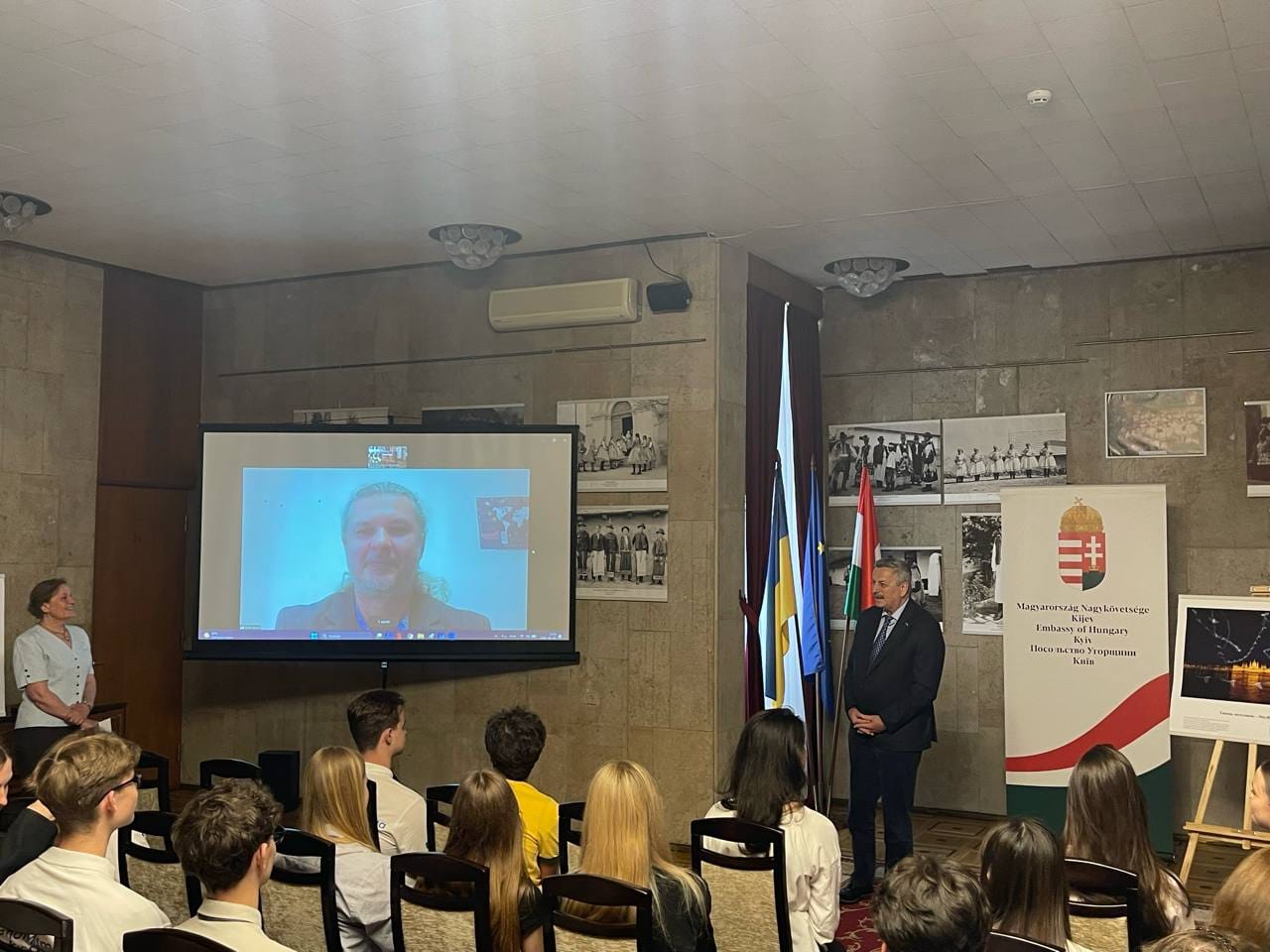
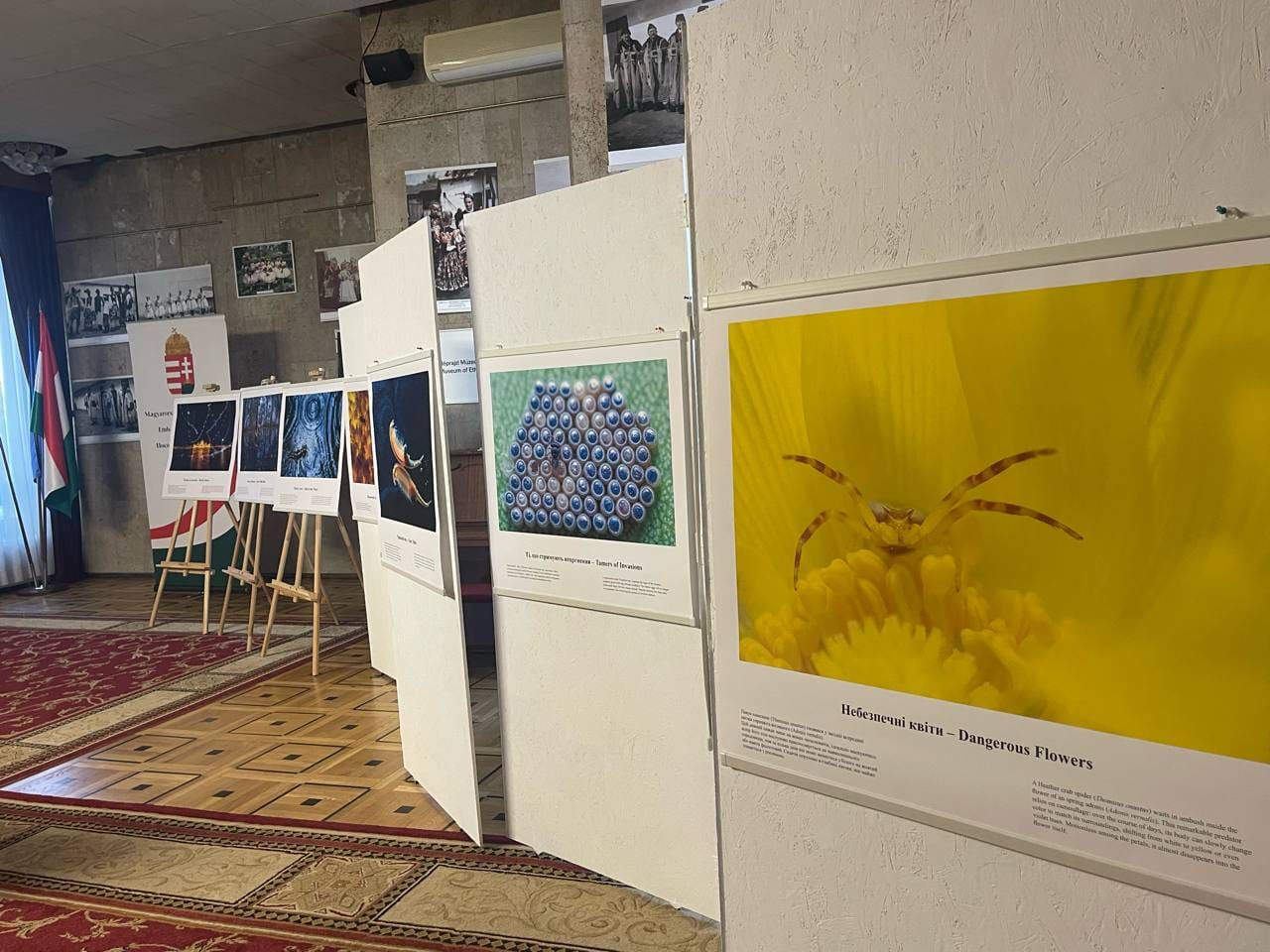
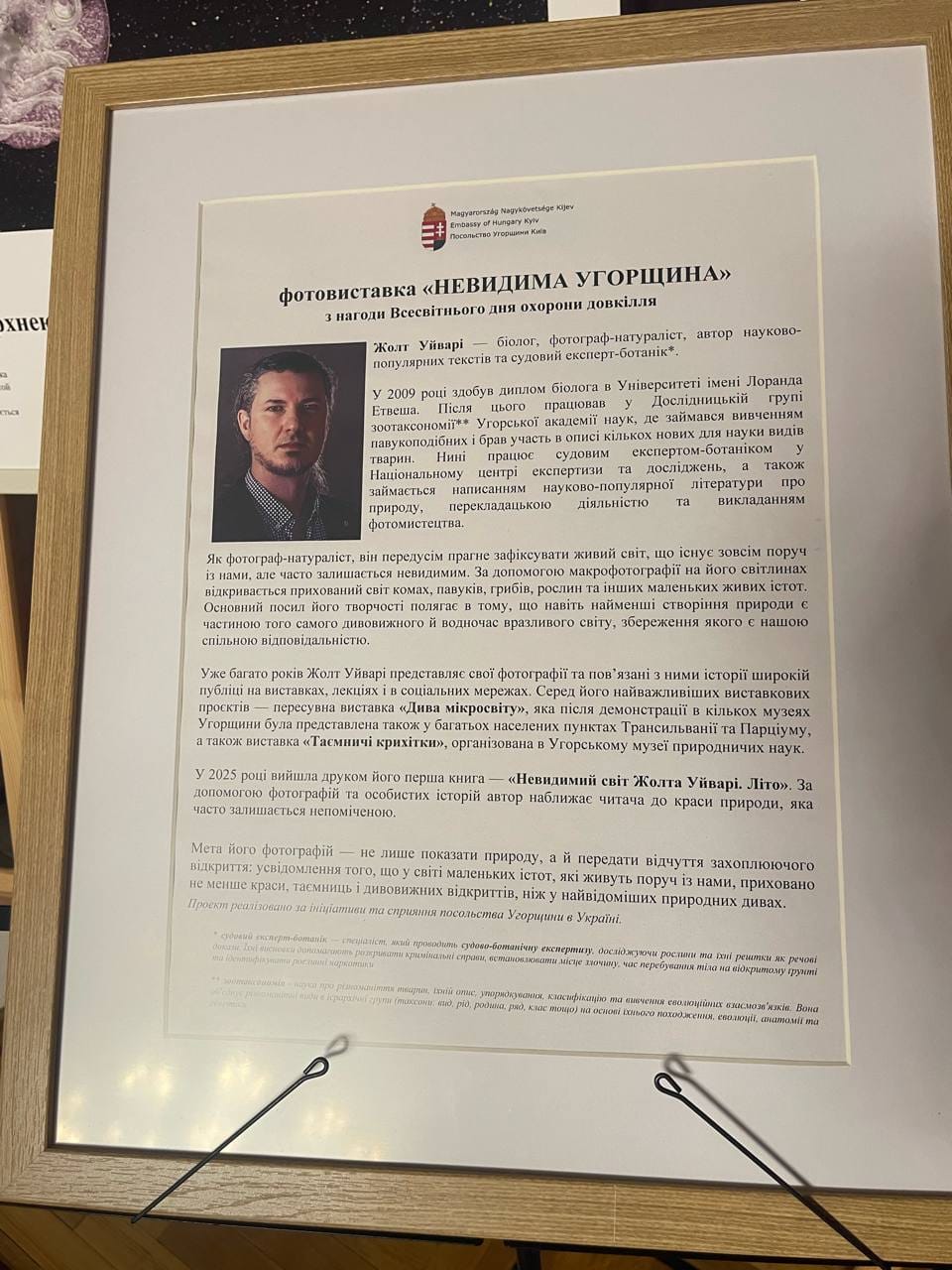
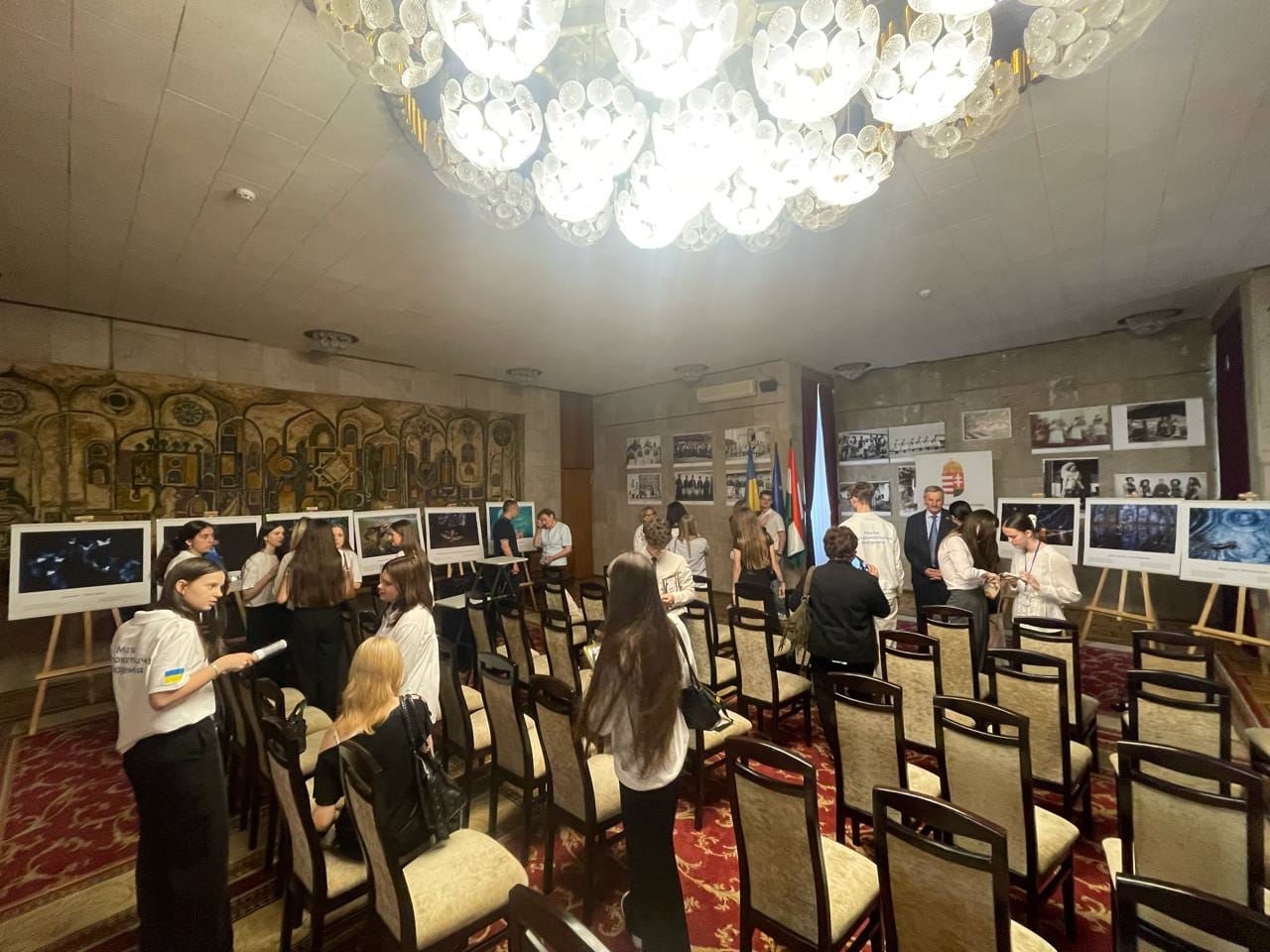
On World Environment Day, students of the Junior Diplomatic Academy received a special invitation from the Embassy of Hungary in Ukraine. The occasion was the opening of the photo exhibition “Invisible Hungary” and a meeting with its creator, Hungarian biologist, nature photographer, and researcher Zsolt Ujvari.
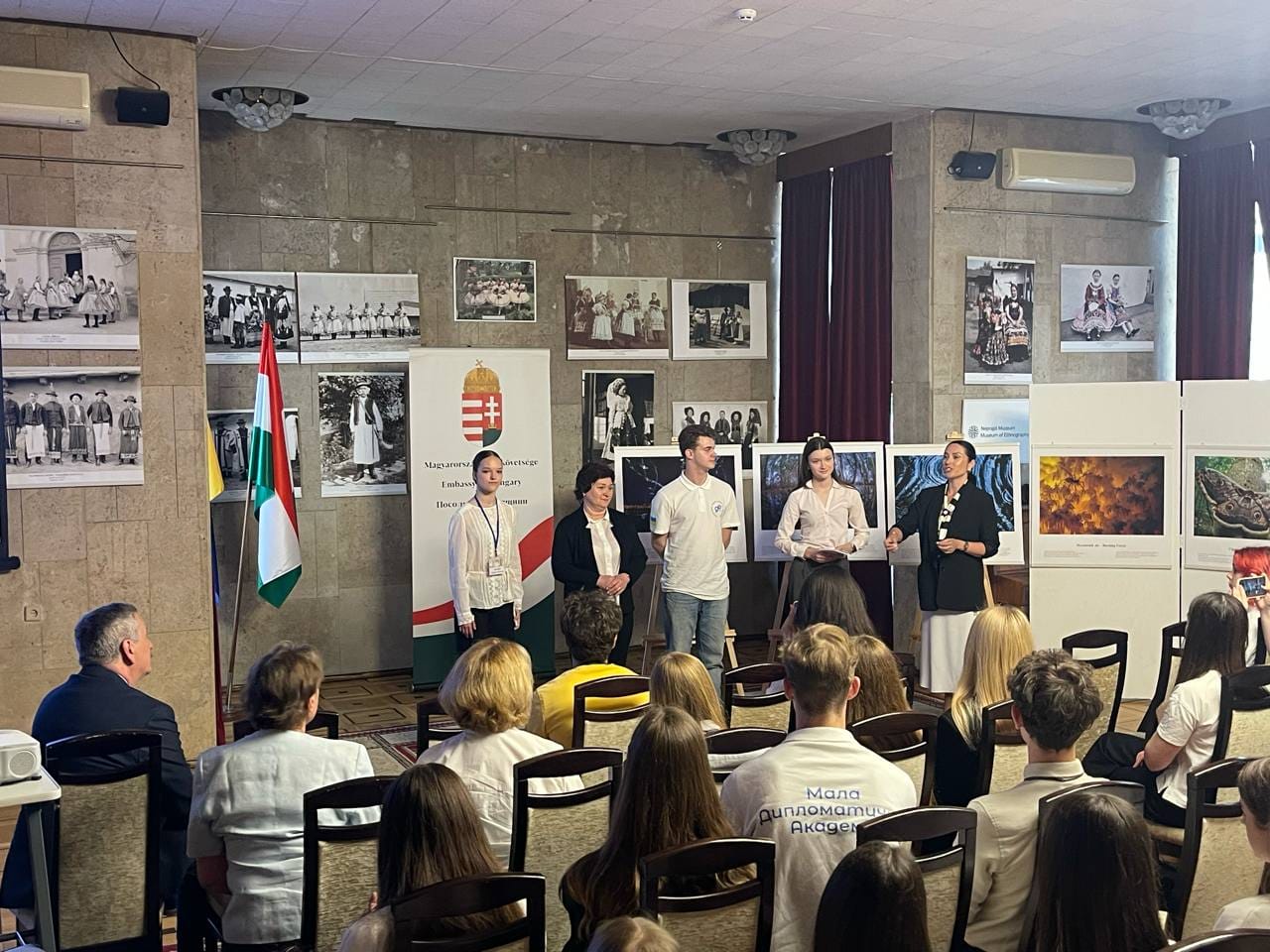
The event began with welcoming remarks by Eva Hegedus, First Secretary of the Embassy of Hungary in Ukraine, who introduced the concept behind the exhibition. She explained that the project aims to draw attention to the remarkable wonders of nature that often go unnoticed in everyday life. Symbolically, the exhibition will soon be showcased at the Kyiv Palace of Children and Youth as well.
Zsolt Ujvari opened his lecture by sharing his journey into science. As a biologist and forensic botanical expert, he has spent years exploring the natural world—from studying mites in the mountains of Thailand to documenting rare insect species and the wildlife of Hungary’s forests. Through this work, he came to a simple but powerful realization: some of nature’s greatest beauty is often hidden from plain sight.
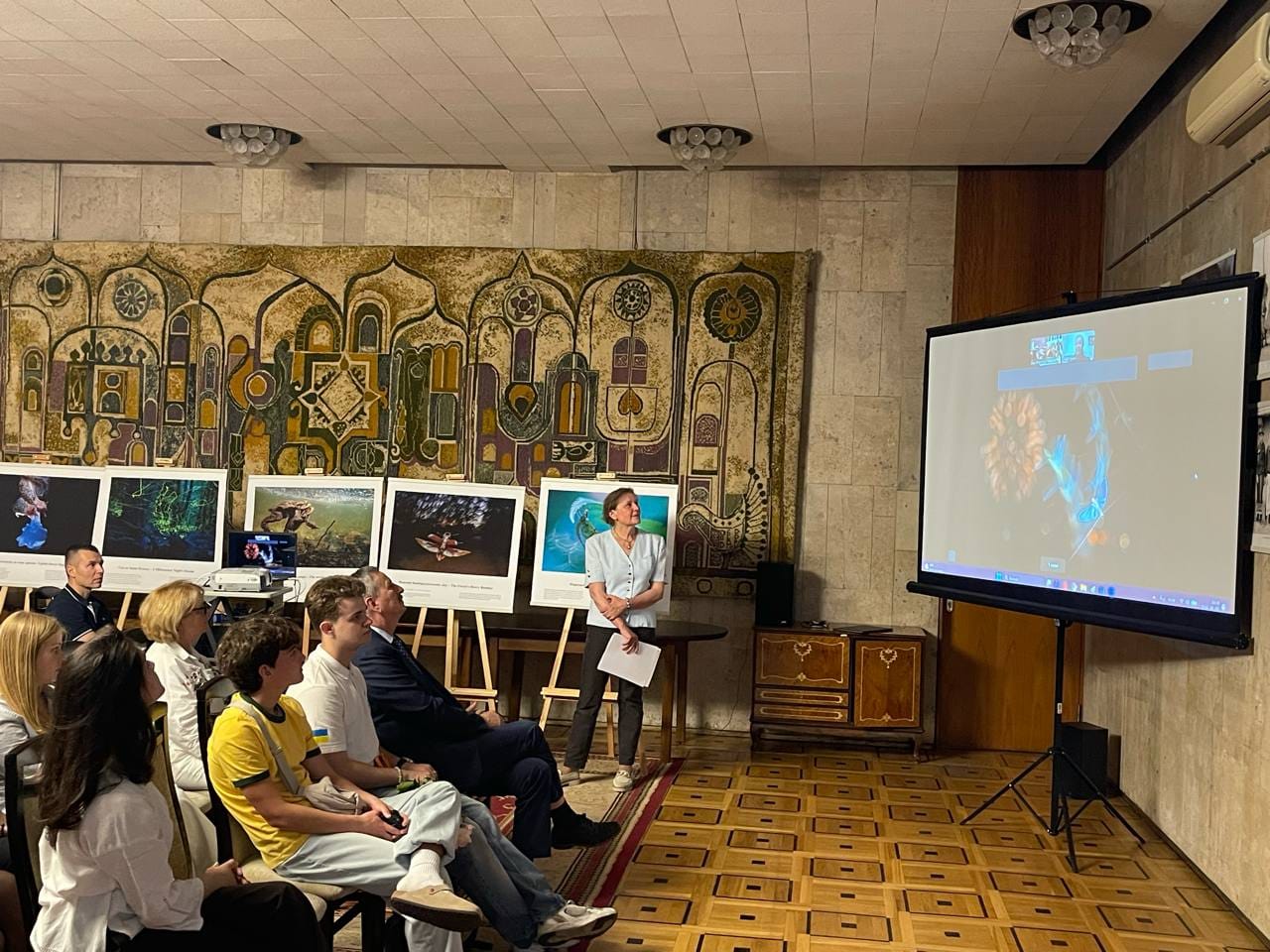
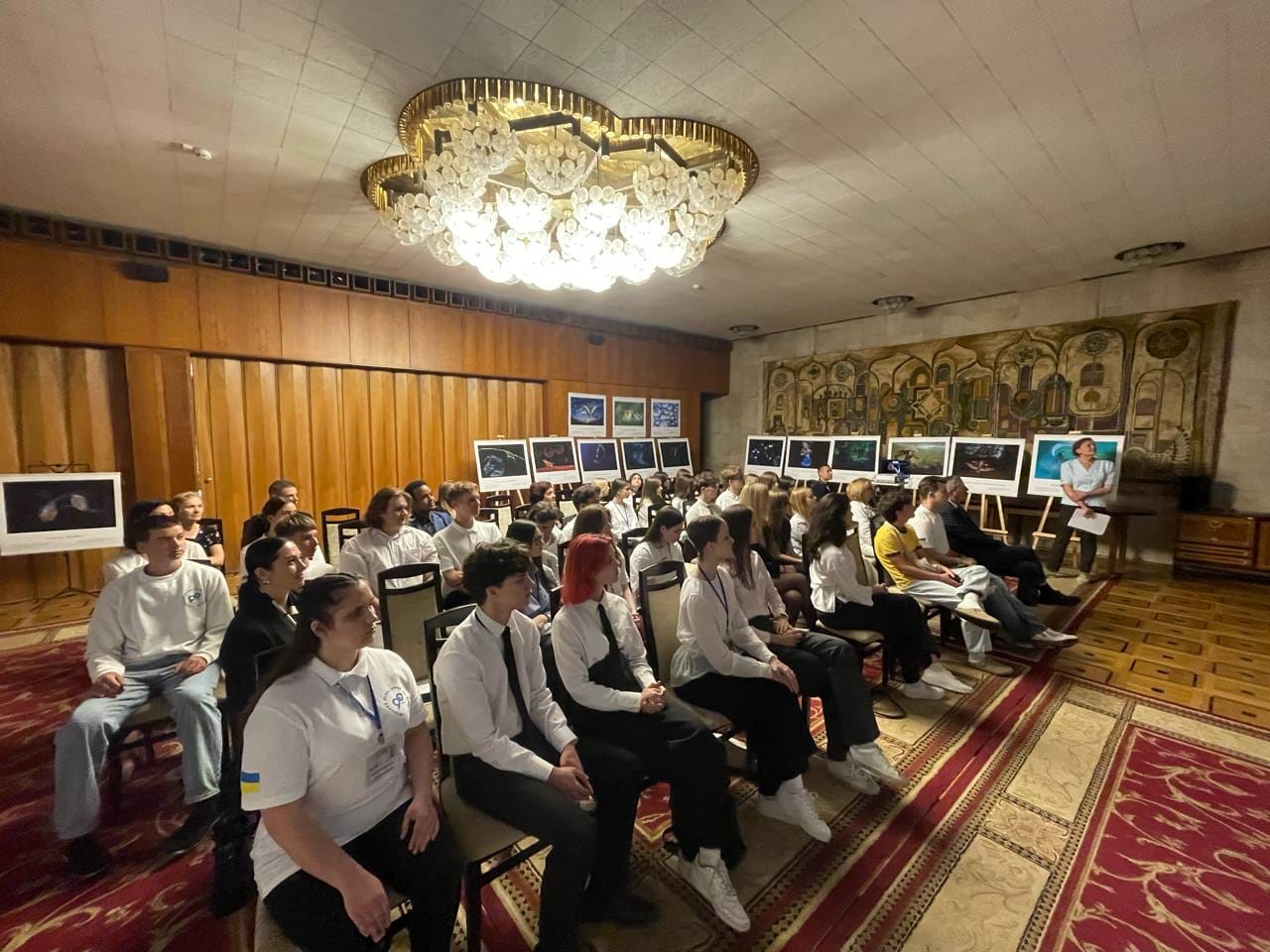
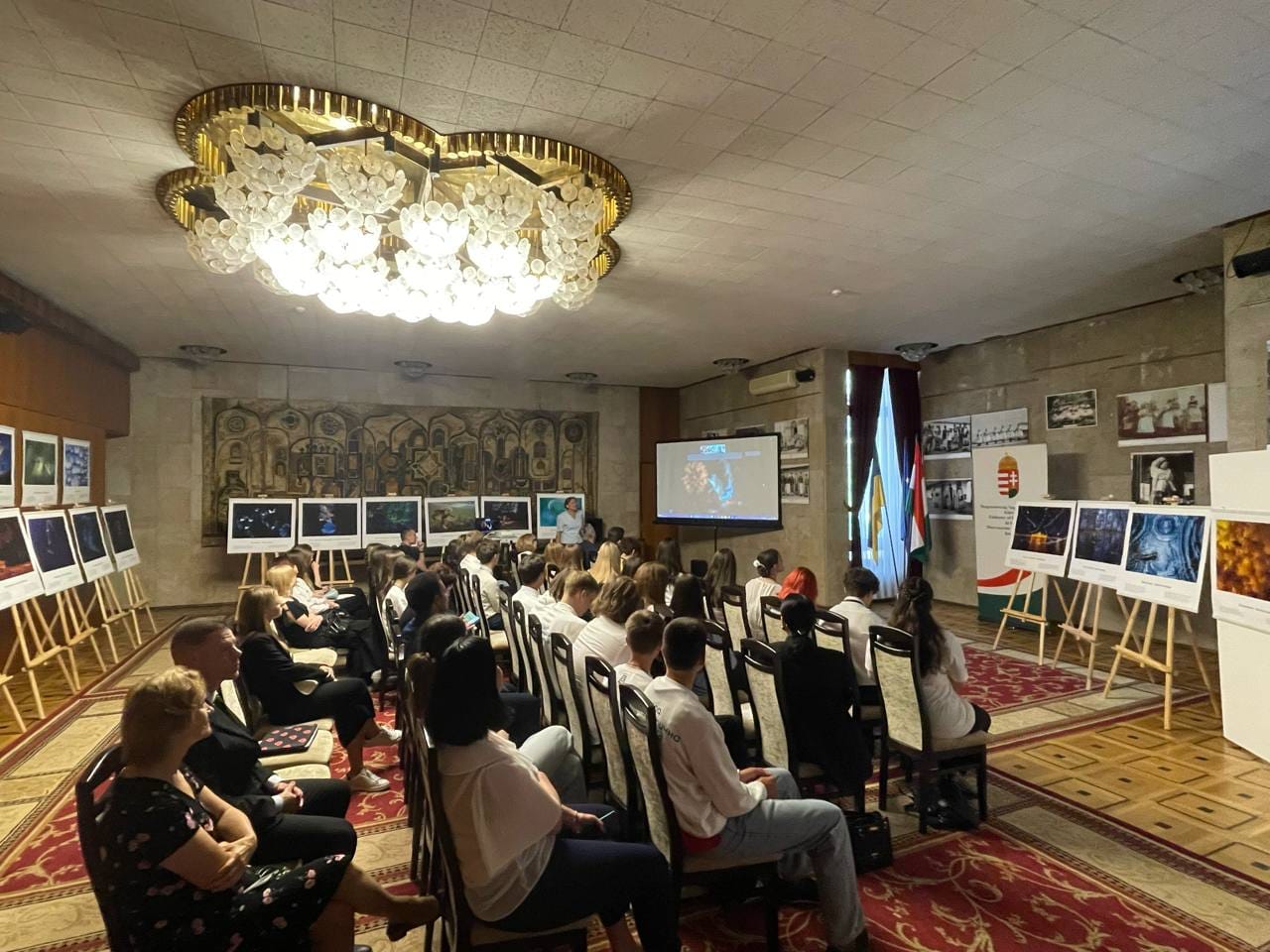
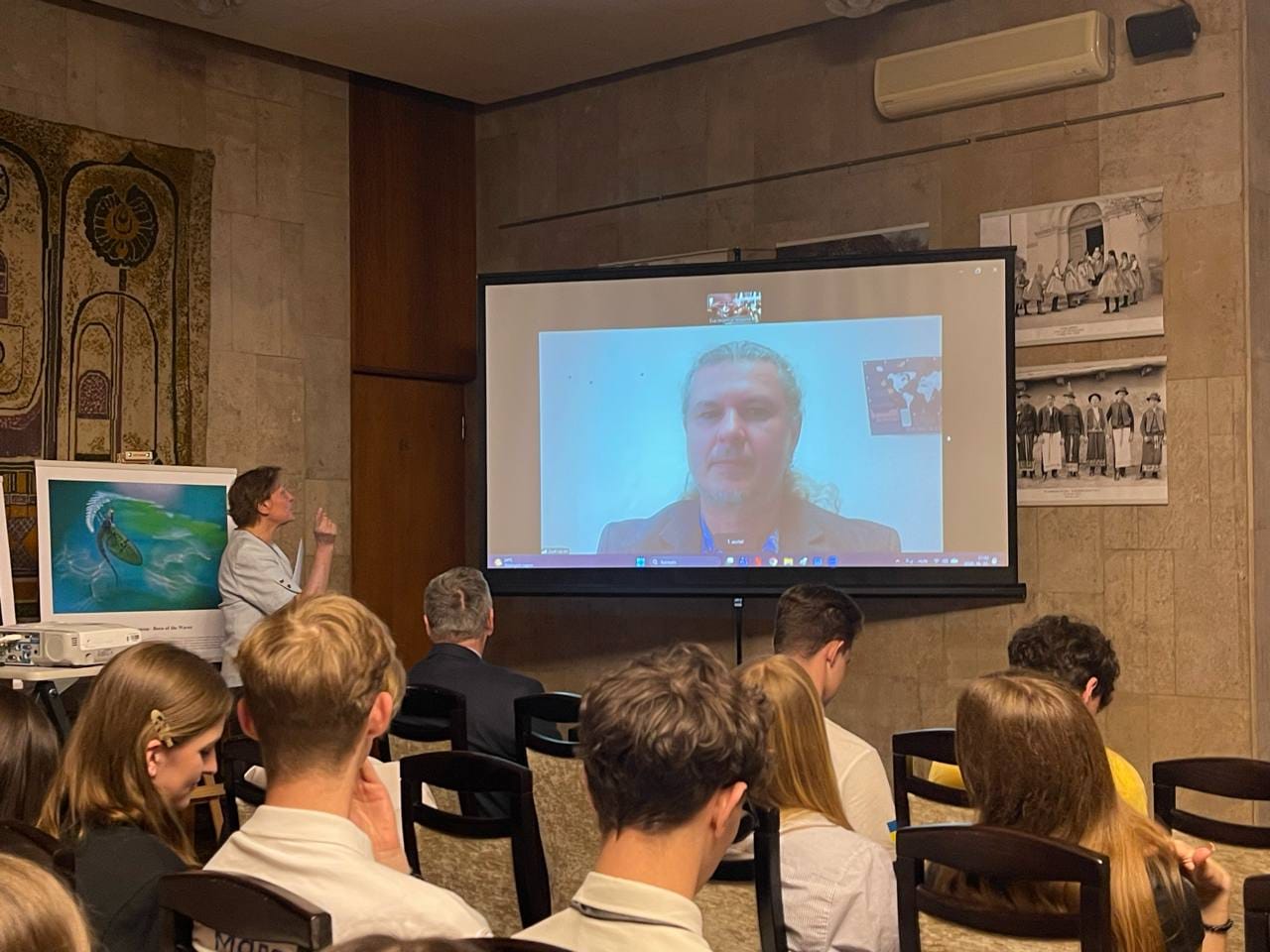
The lecture became a fascinating journey into the world of living creatures that often go unnoticed. Students learned why a healthy forest does not always look neat and orderly, as people often imagine. Fallen leaves, decaying logs, and dead trees are not signs of neglect but essential elements of a thriving ecosystem where new life begins.
Particular attention was given to stag beetles.
Participants learned about their life cycle, their role in breaking down organic matter, and even the dramatic battles between males. They were also introduced to the striking blue longhorn beetles—remarkable insects that resemble living jewels—and discovered why even fallen or cut trees continue to play a vital role in sustaining forest life.
Another highlight of the lecture was the world of fireflies.
Through long-exposure photography, students were able to see breathtaking light displays created by nature itself. Zsolt Ujvári explained the science of bioluminescence and described the differences between Hungarian and Asian species of fireflies.
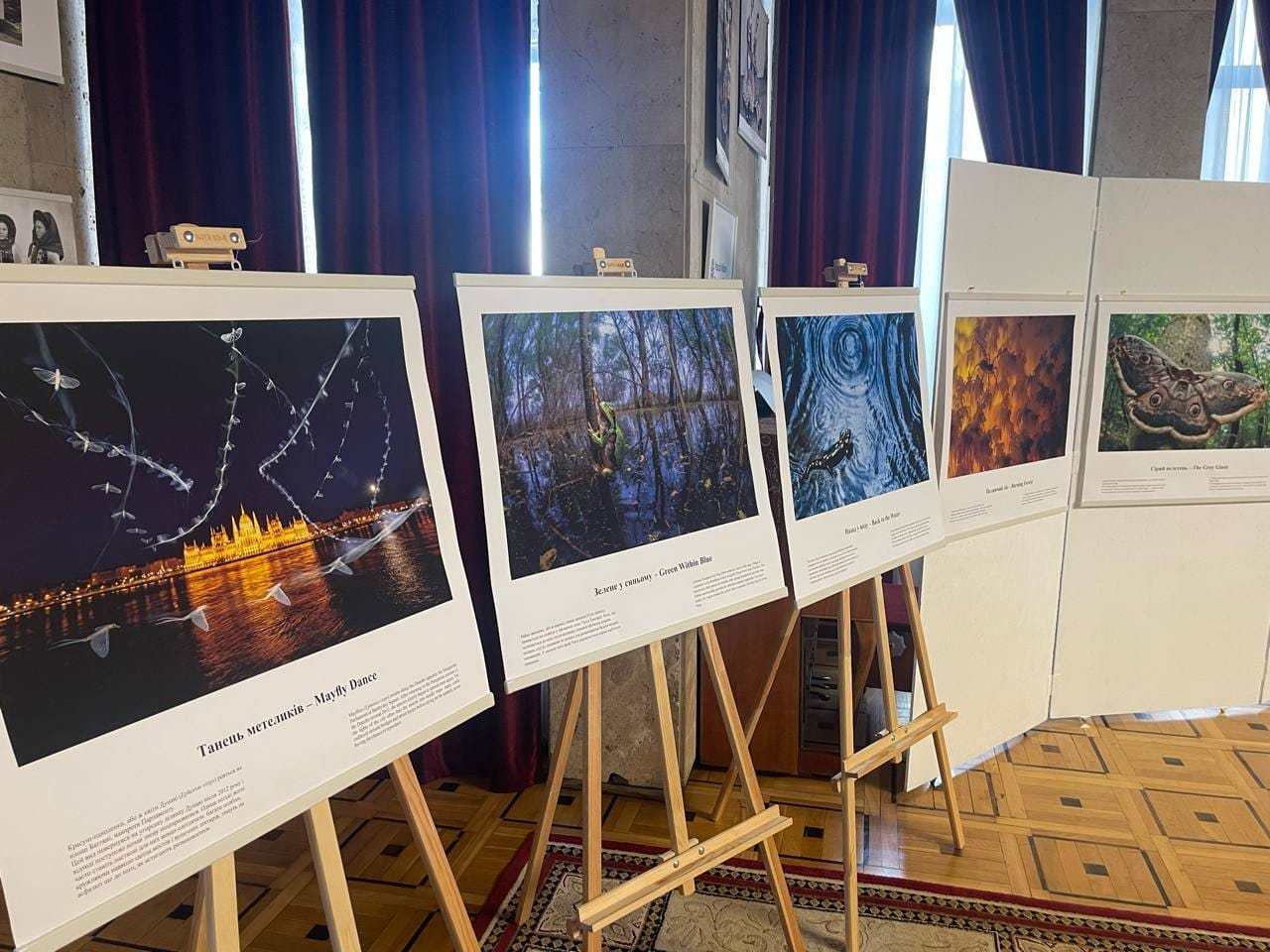
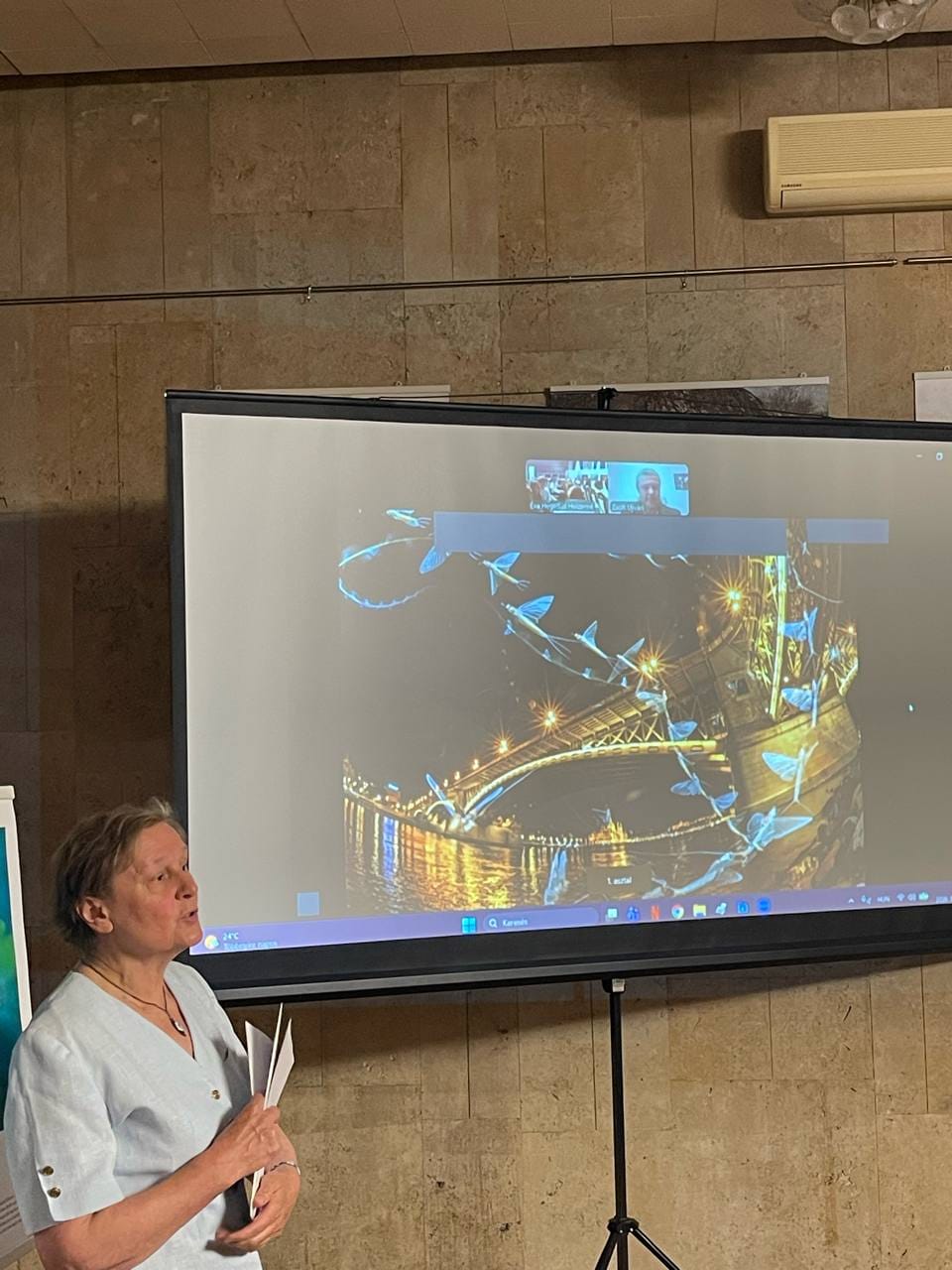
Equally captivating was the story of the natural phenomenon known as the “Blooming of the Danube.” This refers to the mass emergence of Danube mayflies, which create a spectacular display above the river for several days each year. At one point, the species was considered nearly extinct, making its return an important indicator of the recovery of the river’s ecosystem.
Following the lecture, Antal Heizer, Ambassador Extraordinary and Plenipotentiary of Hungary to Ukraine, addressed the audience. He shared his impressions of the exhibition and spoke about the role of cultural diplomacy in the work of a modern embassy. The Ambassador explained that promoting a nation’s culture, art, science, and natural heritage is an essential part of diplomatic engagement.
Students learned how international exhibitions, cultural exchanges, educational initiatives, and artistic projects are organized. The Ambassador placed particular emphasis on youth engagement, noting that supporting young people has become one of the key priorities of the Embassy of Hungary in Ukraine.
In response, students of the Junior Diplomatic Academy presented their own educational project to the guests. They spoke about their learning experience, participation in international events, introduction to diplomatic protocol, and the development of intercultural communication skills.
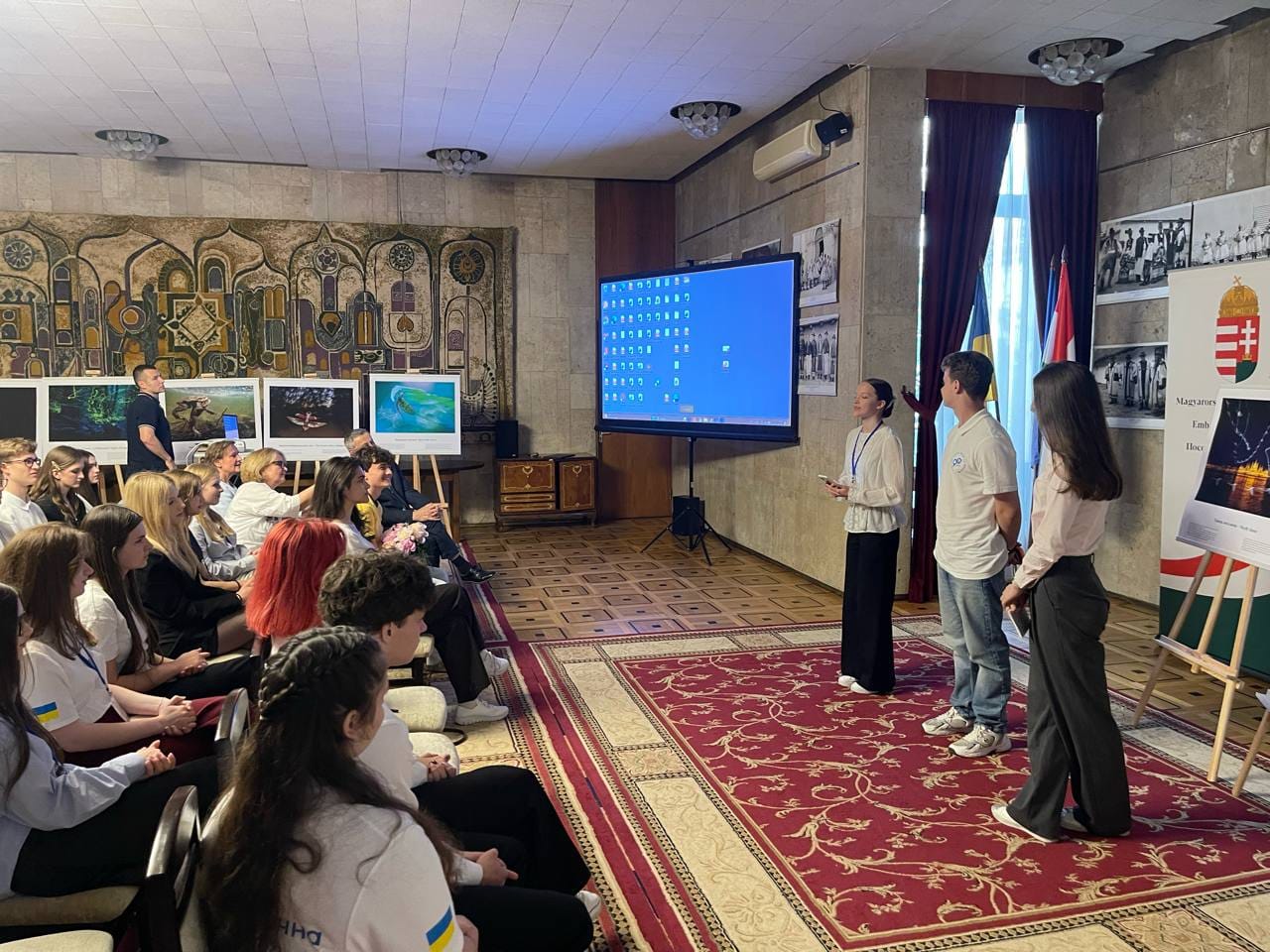
Rita Kosiak, Head of the Project Office at the Kyiv Palace of Children and Youth, spoke about the mission of the initiative, which is to help young people represent both themselves and Ukraine with confidence and dignity on the international stage. She also shared the story behind the creation of the Junior Diplomatic Academy and emphasized:
“We teach young people not to build walls, but to build bridges of friendship and support.”
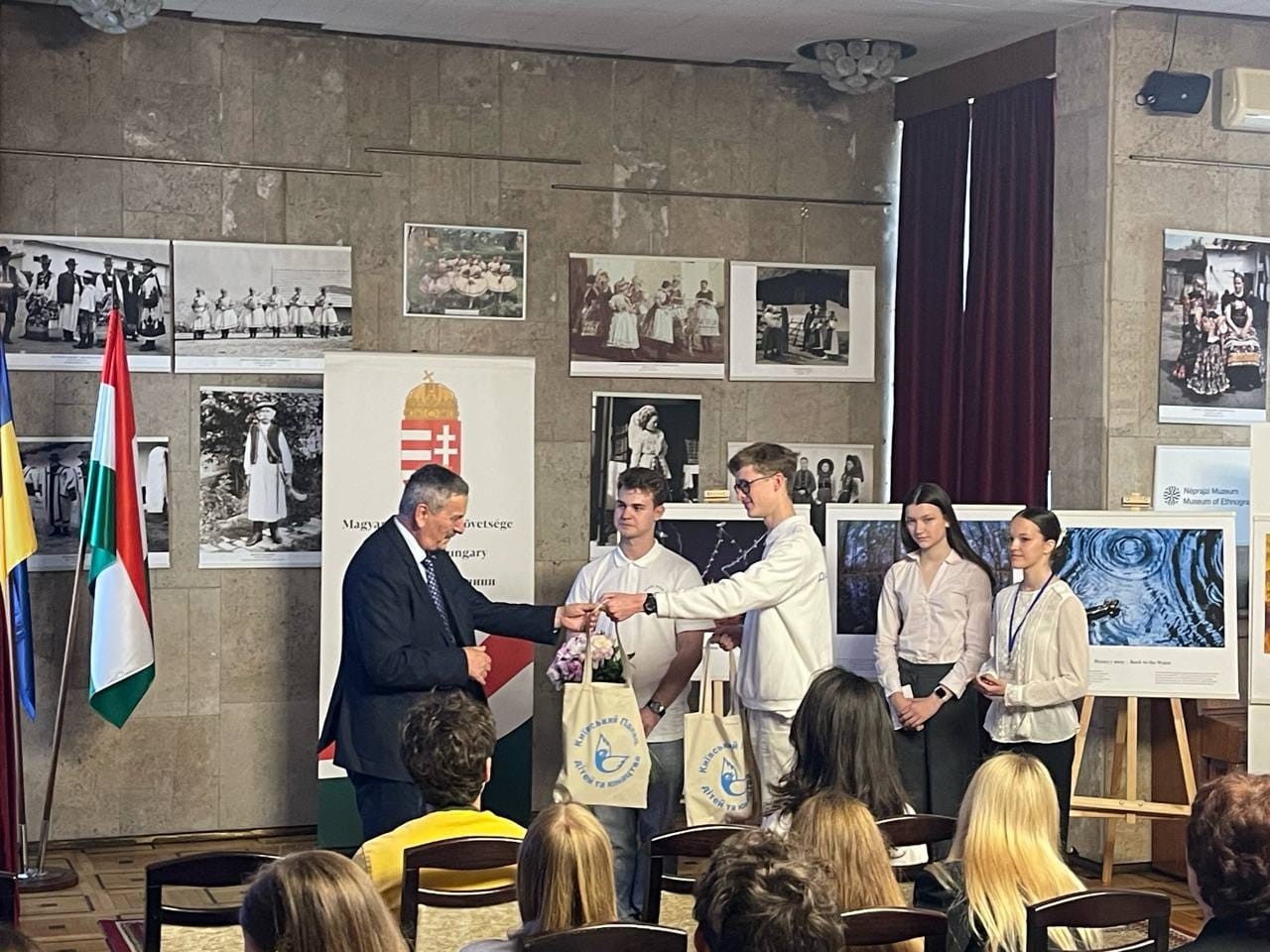
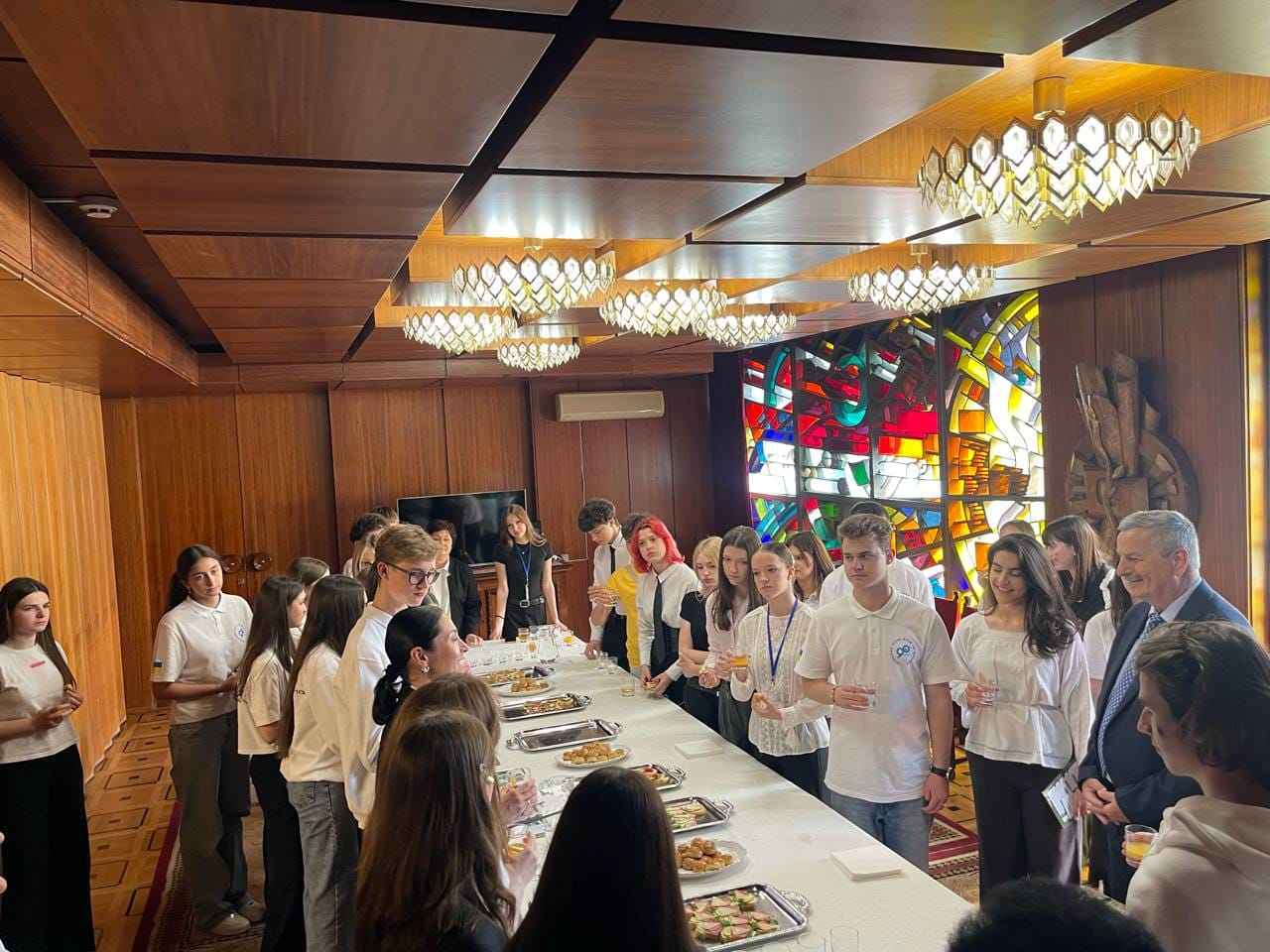
At the conclusion of the event, the students presented symbolic gifts to the Ambassador of Hungary, the First Secretary of the Embassy, and the interpreter. After the official program ended, the conversation continued in a relaxed atmosphere, where participants had the opportunity to sample Hungarian sweets and engage informally with members of the diplomatic mission.
The students also expressed special gratitude to the interpreter, whose work allowed them to fully immerse themselves in the world of Hungarian nature and made complex scientific topics accessible and engaging.
The meeting served as another reminder that diplomacy can begin with a wide range of subjects—from international politics to nature photography. Sometimes, it is through discovering another country’s culture, science, and natural heritage that genuine understanding and meaningful connections between people are formed.
