The Art of Remembrance and the Diplomacy of Dialogue: Junior Diplomatic Academy Students Visit the National Museum of the Holodomor-Genocide
7 вересня 2026 року
Students of the Junior Diplomatic Academy of the Kyiv Palace of Children and Youth visited the National Museum of the Holodomor-Genocide, where they took part in an event dedicated to historical memory, cultural diplomacy, and international cooperation.
The museum provided a unique atmosphere of reflection and dialogue. Among the guests were Viktor Yushchenko, the third President of Ukraine, representatives of the diplomatic corps, members of Ukraine’s cultural community, international guests, and civil society organizations. For the Academy’s students, the event offered an opportunity to witness how history, culture, and collective memory can bring together people from different generations and countries.
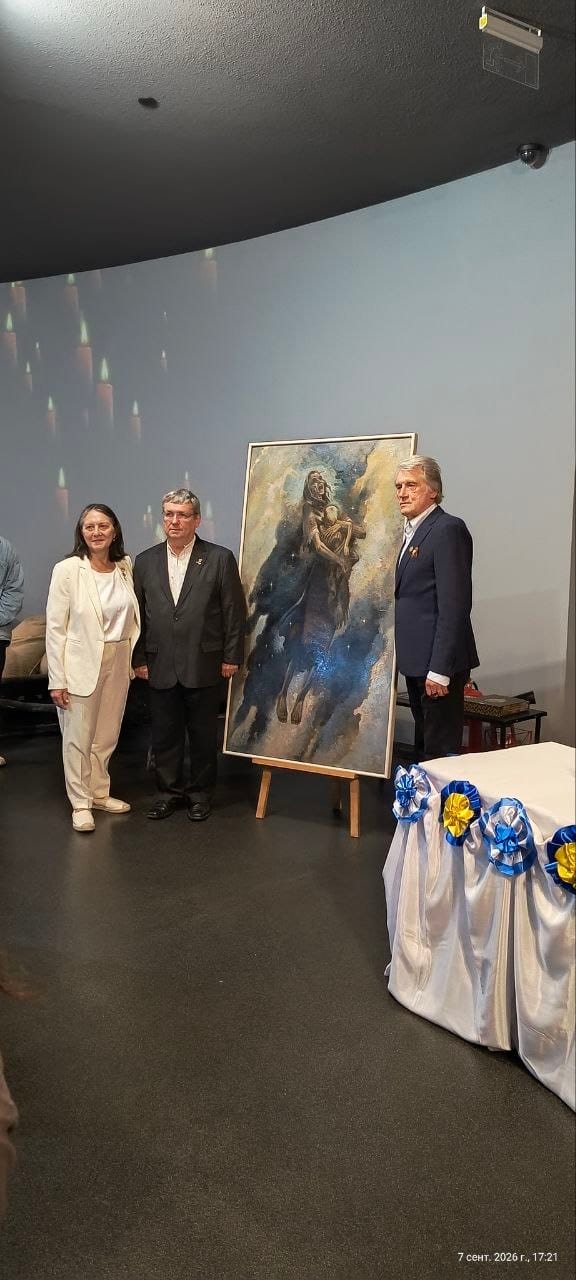
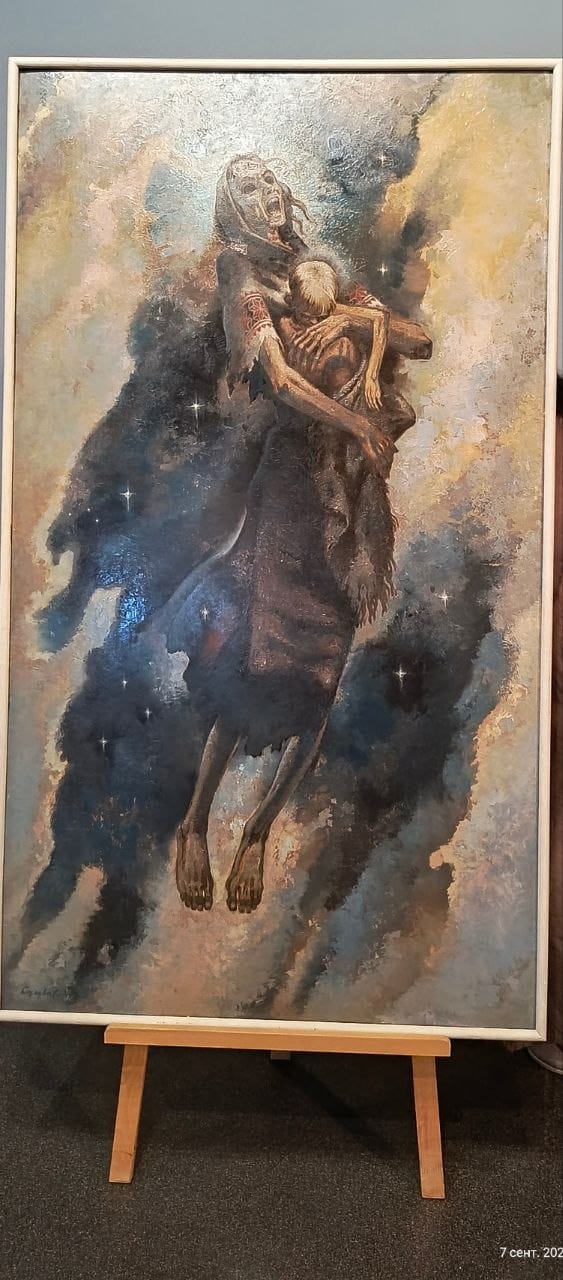
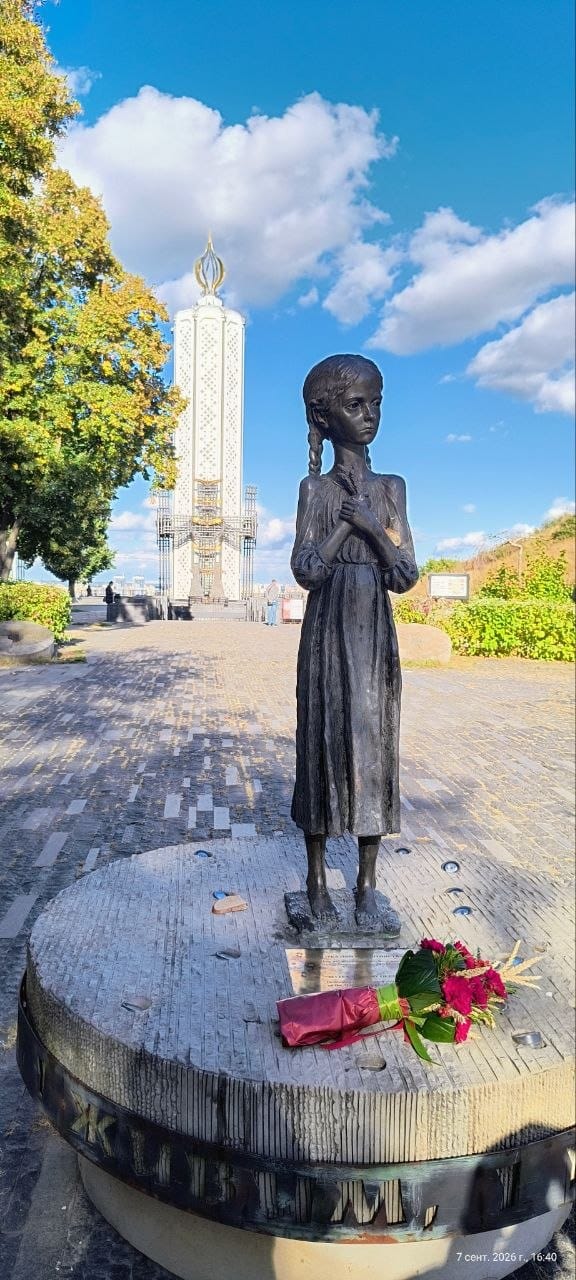
At the heart of the event was “The Year 1933,” a painting by Ukrainian artist Viktor Tsymbal. Created in Buenos Aires, the artwork became one of the earliest artistic testimonies to the Holodomor at a time when the world knew very little about the tragedy endured by the Ukrainian people. The young diplomats carefully examined the painting’s symbolic imagery and learned about the artist’s life and his determination to use art as a means of conveying the truth about events in Ukraine to the international community.
Throughout the event, participants reflected on the power of art to preserve memory while also serving as a bridge for dialogue with the world. The story of the painting demonstrated how culture can transcend borders and how creative expression can become a universal language understood regardless of nationality, background, or place of residence.
Particular attention was also given to the history of the Ukrainian community in Argentina and the work of the Prosvita Society, which has preserved and promoted Ukrainian culture far from its homeland for many decades. For the Academy’s students, this became another example of how Ukrainians abroad maintain strong ties with their homeland while contributing to the development of international cultural connections.
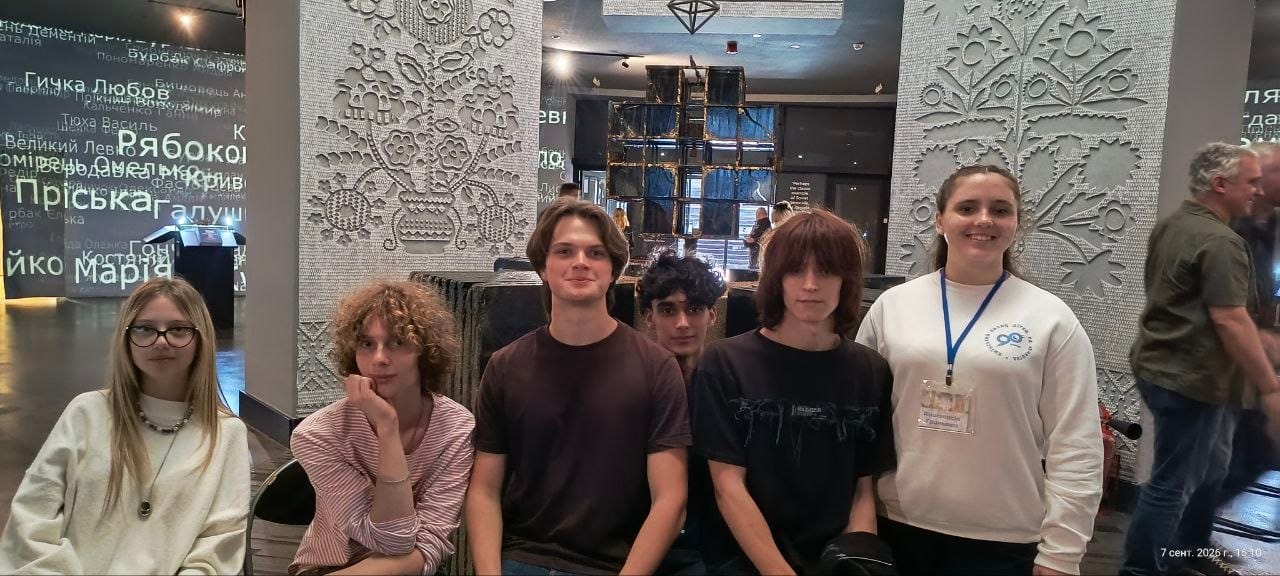
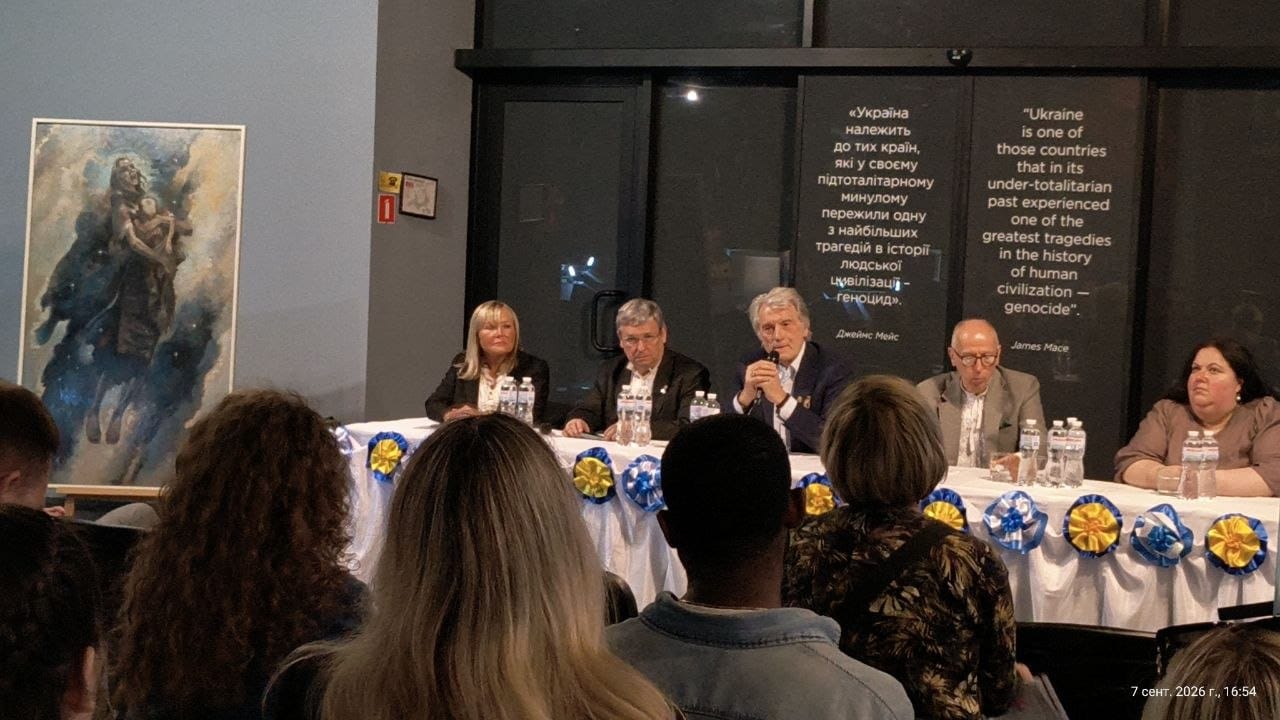
During the discussion, the students asked questions about the work of diplomatic institutions, the role of museums in international dialogue, and the ways in which historical memory shapes contemporary relations between nations. Conversations like these help young people see diplomacy not only as negotiations or official meetings, but also as the everyday work of fostering understanding between people.
“The students of the Junior Diplomatic Academy gained new insights into one of the most tragic chapters of Ukrainian history. They were reminded that memory lives not only in archives and textbooks, but also in art, personal stories, and the willingness to speak honestly and openly about the past. It is through experiences like these that young people develop a deeper understanding of the world and their place within it, building bridges of understanding between cultures and generations,” noted Rita Kosiak, Head of the Project Office of the Kyiv Palace of Children and Youth.
