Style in diplomacy: Junior Diplomatic Academy students explore diplomatic dress code
November 26, 2025
Junior Diplomatic Academy students met with Maryna Antonova, former Head of the First Lady’s Office and Director of Government Relations at the U.S.-Ukraine Business Council, who led an engaging lecture on dress code and its role in professional and diplomatic settings. The session offered valuable insight into how appearance can influence communication, shape first impressions, and communicate key messages.
The discussion began with the purpose of dress code and its underlying goals. Ms. Antonova stressed that dress code is not about limitation, but about using appearance as a strategic tool — one that helps communicate effectively, project professionalism, and show respect toward others.
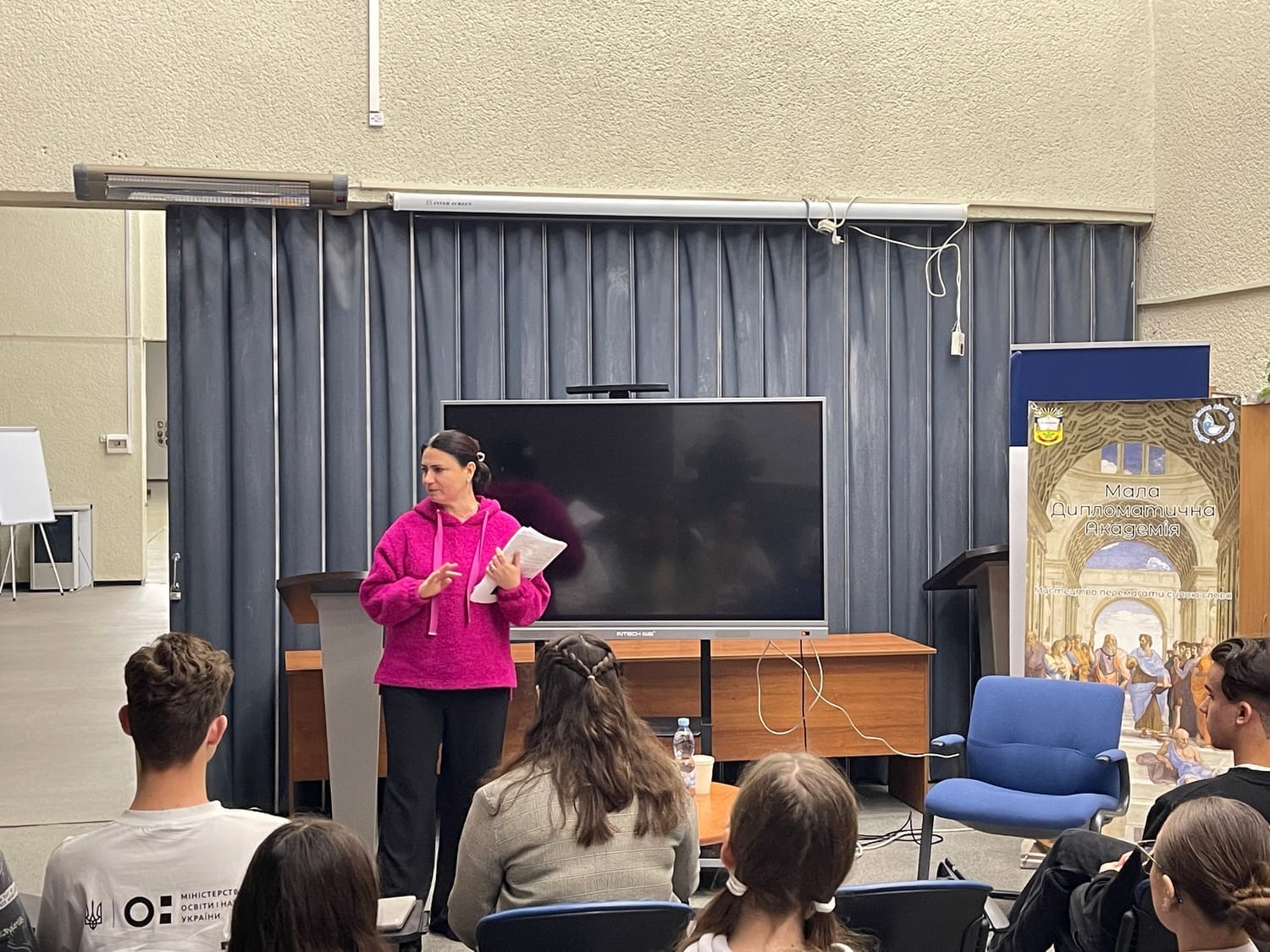
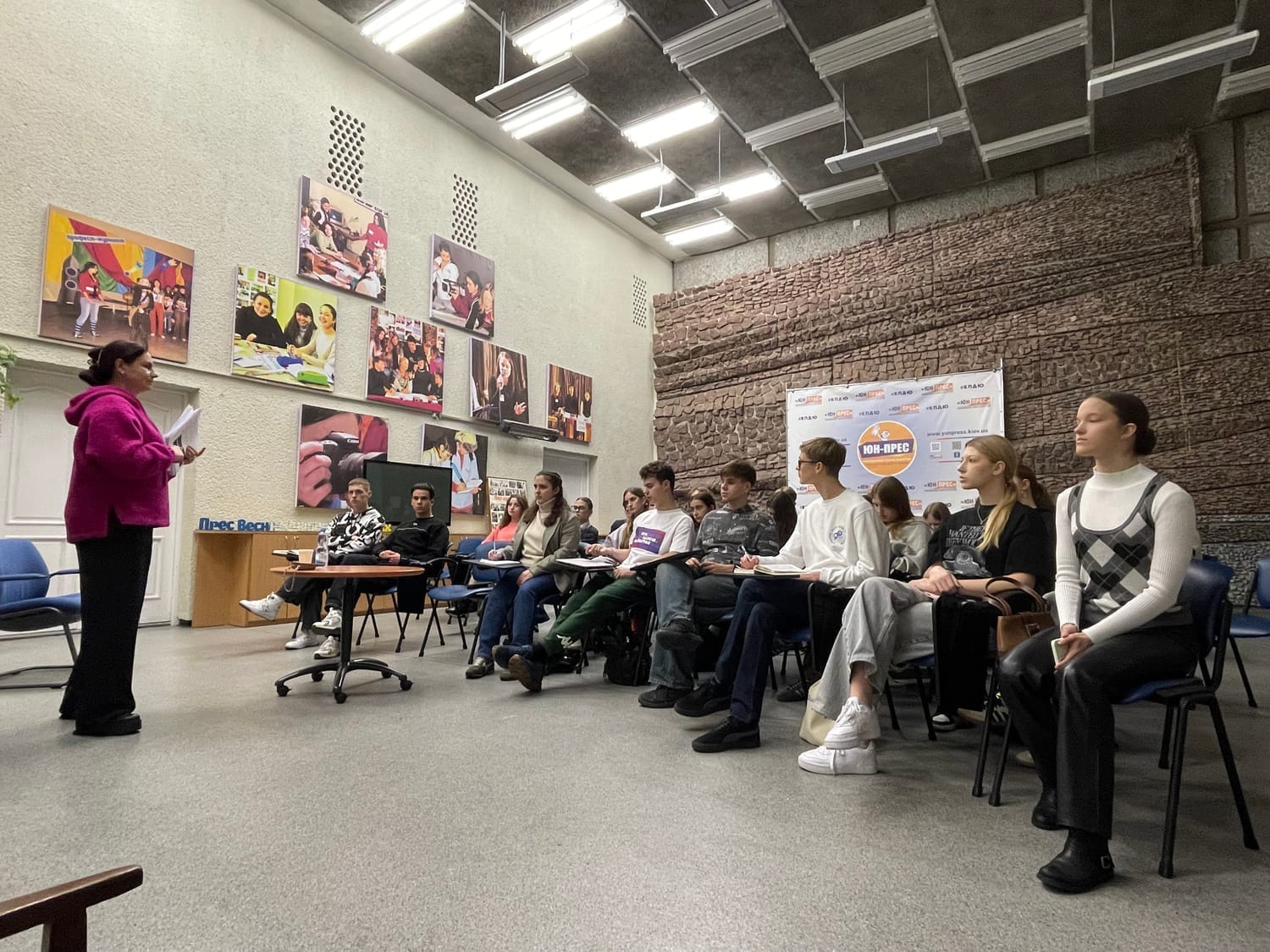
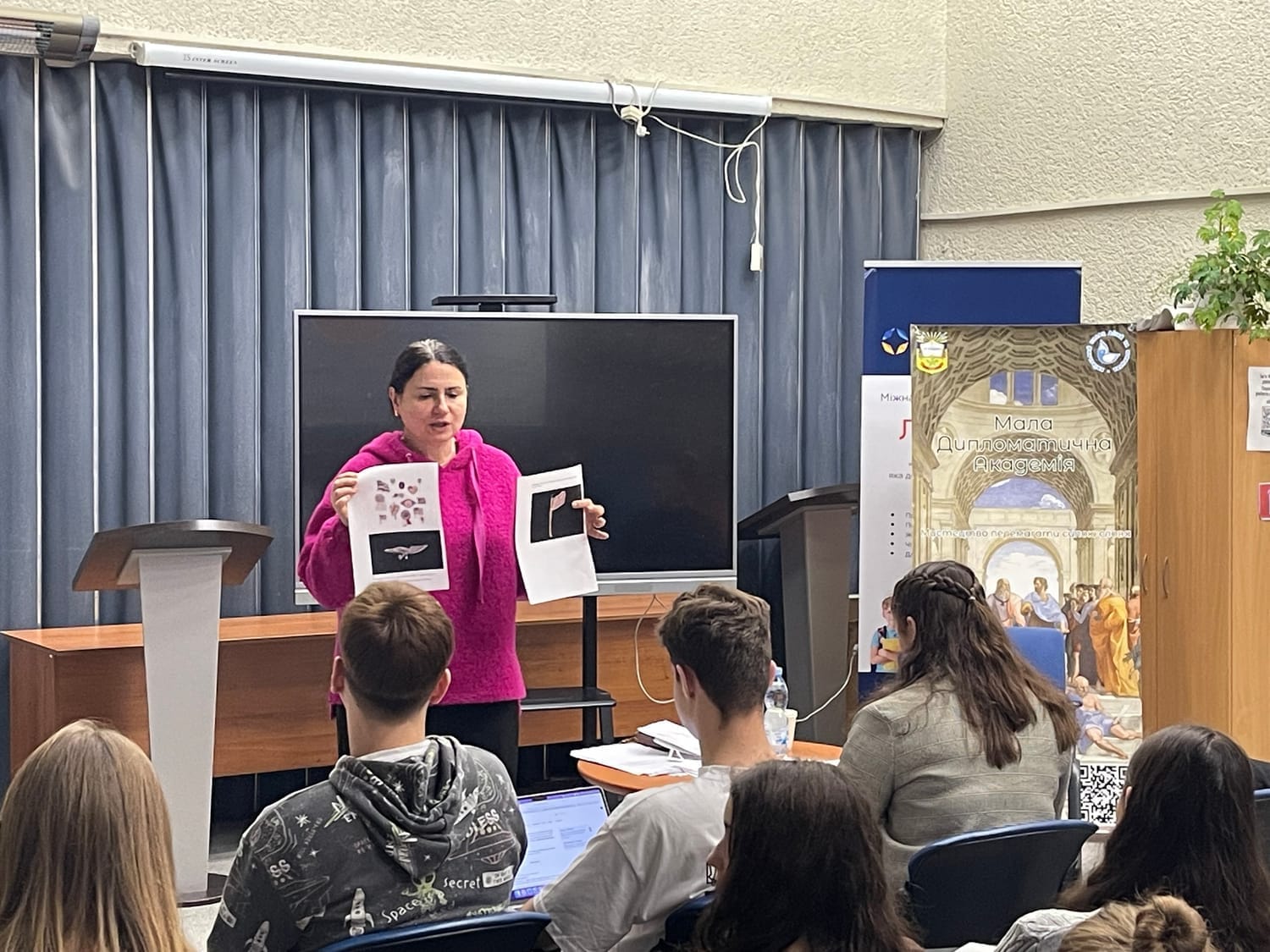
Students were introduced to the concept of “power dressing,” which emerged with the increasing presence of women in politics and business. It reflects the idea of using clothing as a tool to project confidence, strength, and professional credibility.
A dedicated segment focused on the meaning of colors and how they shape perception:
Blue — trust, calmness, reliability; a core color in diplomacy and business.
Dark blue — stability and strong partnerships.
Black — authority, control, power.
White — honesty, openness, sincerity.
Gray — professionalism, balance, restraint.
Red — culturally respected in Asia, though it can signal aggression.
Orange — energy, creativity, enthusiasm.
Green — friendliness, harmony, environmental awareness.
Purple — sophistication, wisdom, spirituality.
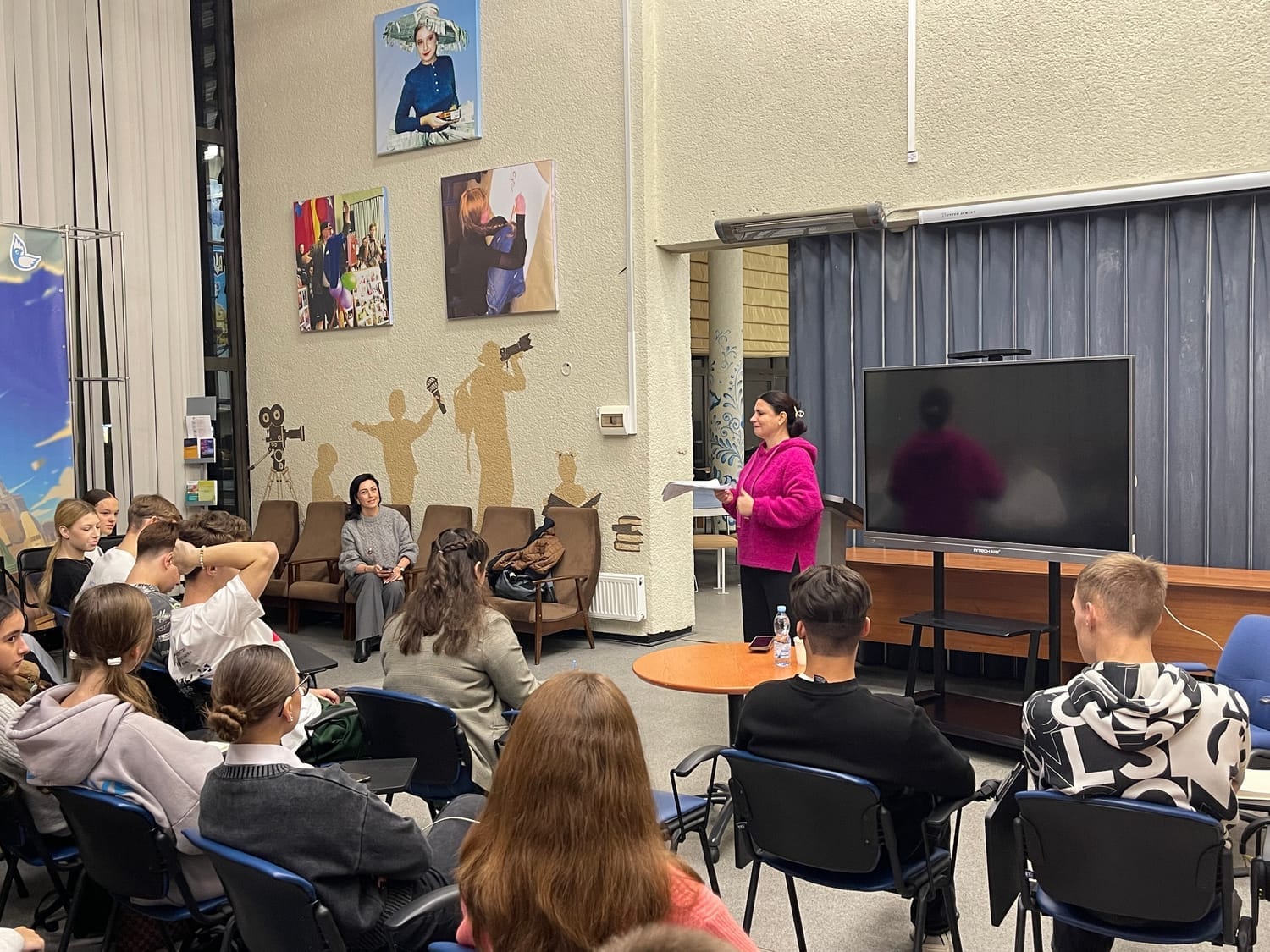

When students brought up ties, Ms. Antonova explained that politicians often intentionally select tie colors to signal support for a country or a particular stance.
She noted that dress code serves as a powerful form of self-expression, allowing individuals — especially women — to communicate more about themselves without words. Particular attention was given to Madeleine Albright, who famously used brooches to convey diplomatic messages tailored to each situation.
Students also explored how color symbolism varies across cultures and how today’s era of individualism is reshaping and softening traditional protocol norms.
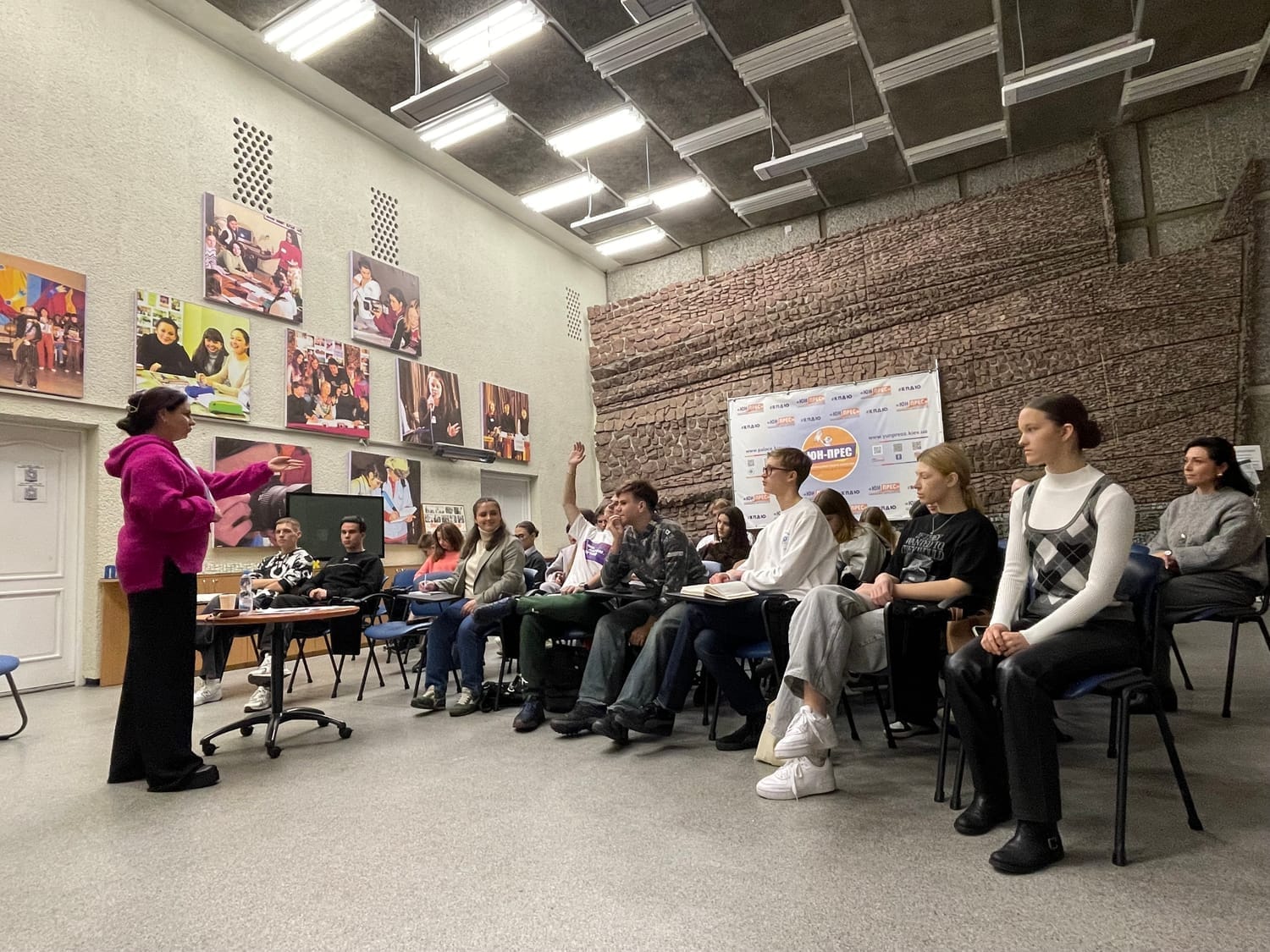
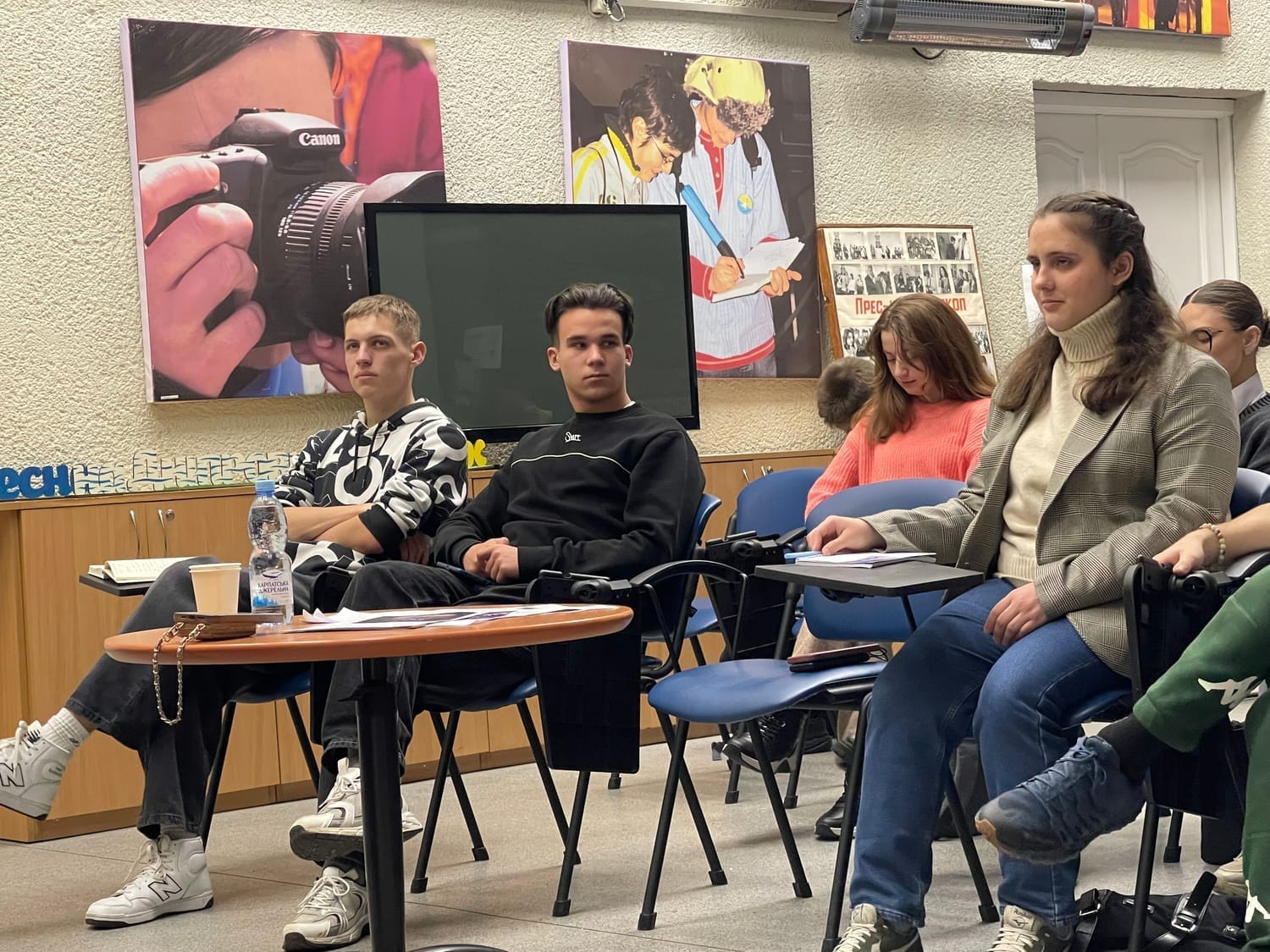
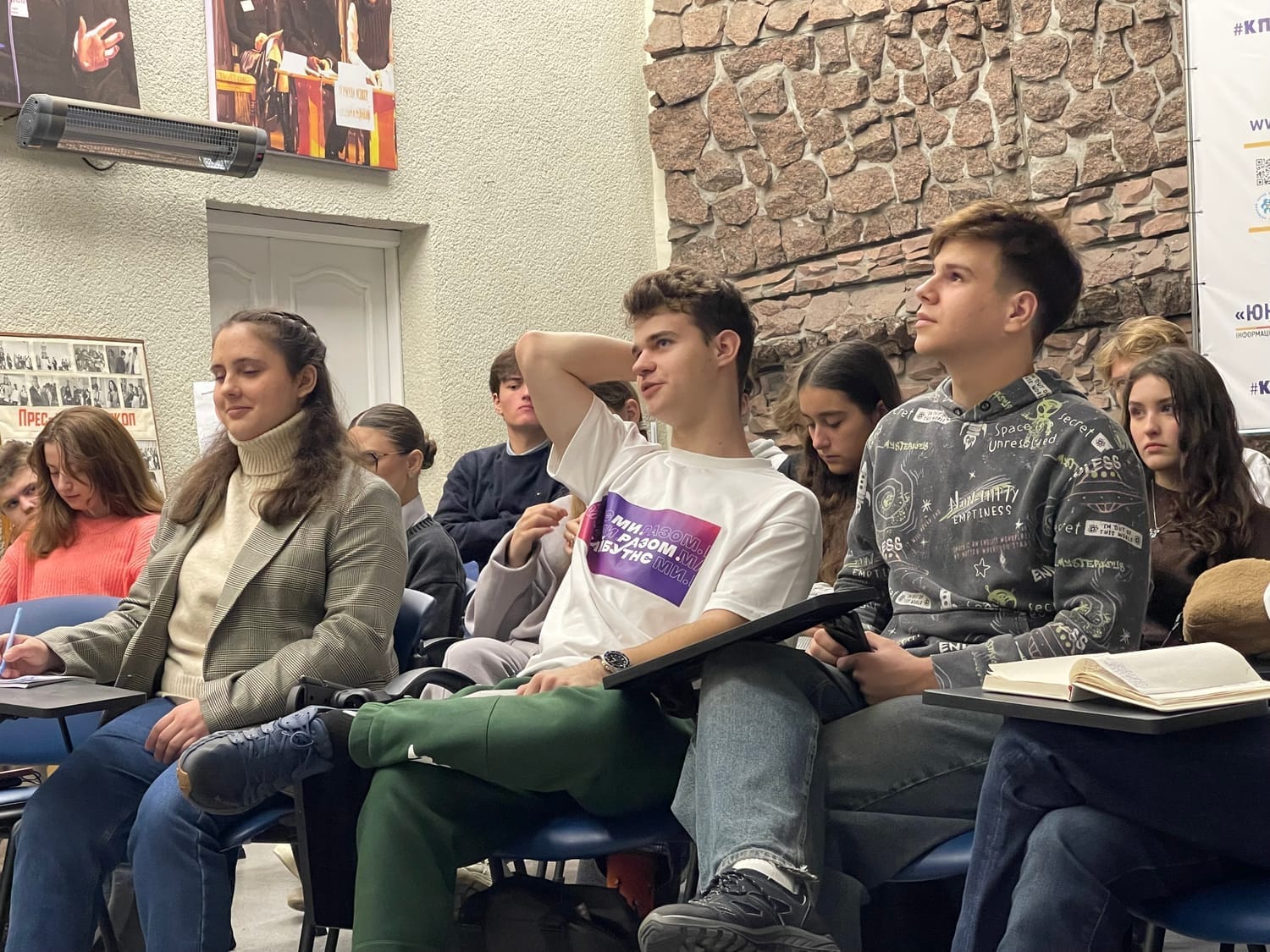
The session also covered classic dress code formats — white tie, black tie, tuxedo, and cocktail — highlighting their distinctions and when each is appropriate.
Even small details like socks were explored, showing how they can carry subtle political messages and why, in certain contexts, more neutral choices are the better option.
Ms. Antonova concluded with a key insight:
“The greatest skill of a diplomat is knowing what is appropriate in any given situation.”
The discussion wrapped up with an exploration of nation branding — how countries build their image, how branding affects international standing and tourism, and how young diplomats can represent their country through colors, symbols, and thoughtfully chosen attire.
Overall, the meeting provided students with a well-rounded, practical understanding of dress code as an essential element of professional communication and diplomatic culture.
