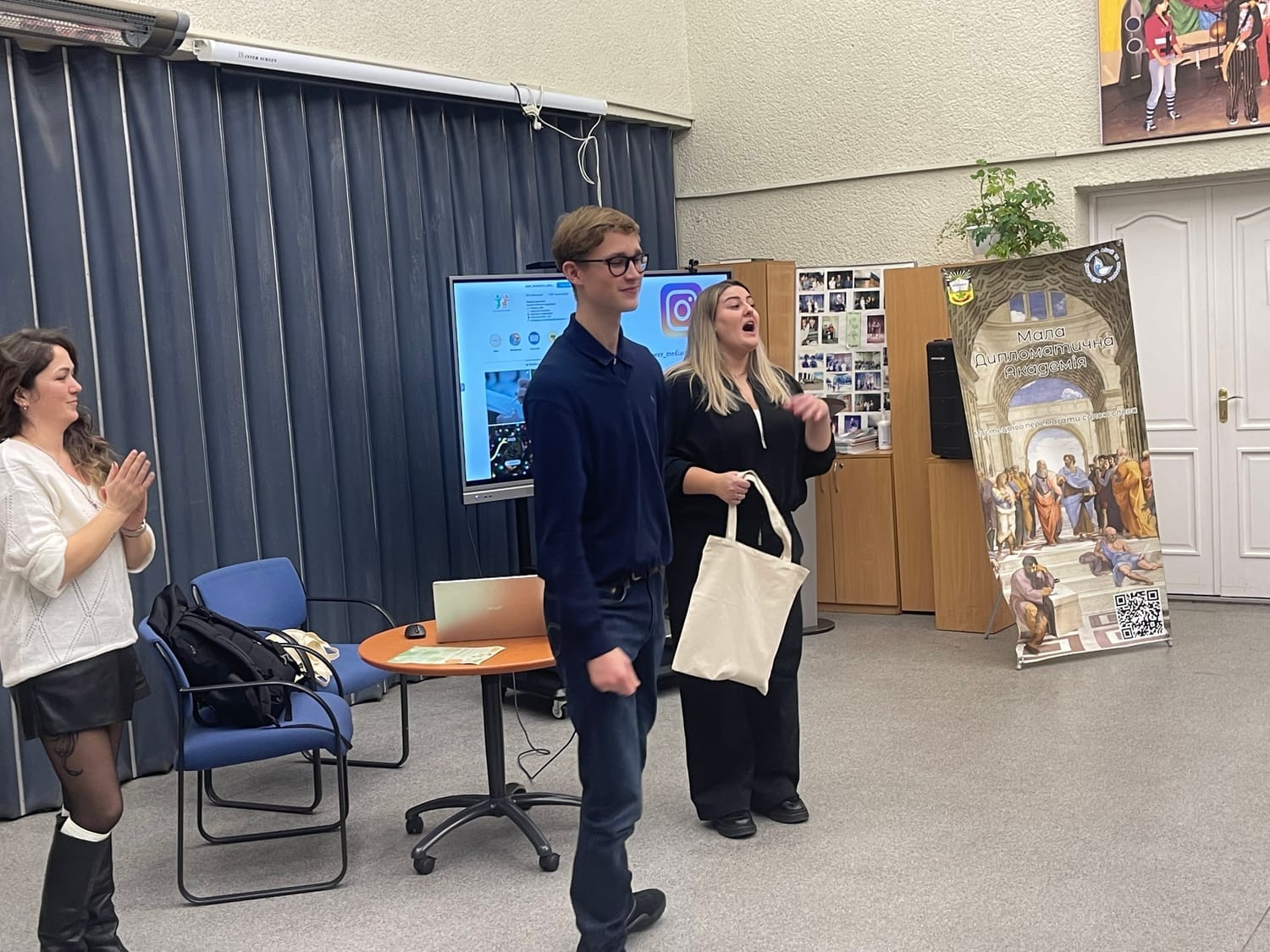
Junior Diplomatic Academy students explored the nature of conflicts and ways to resolve them peacefully
December 3, 2025
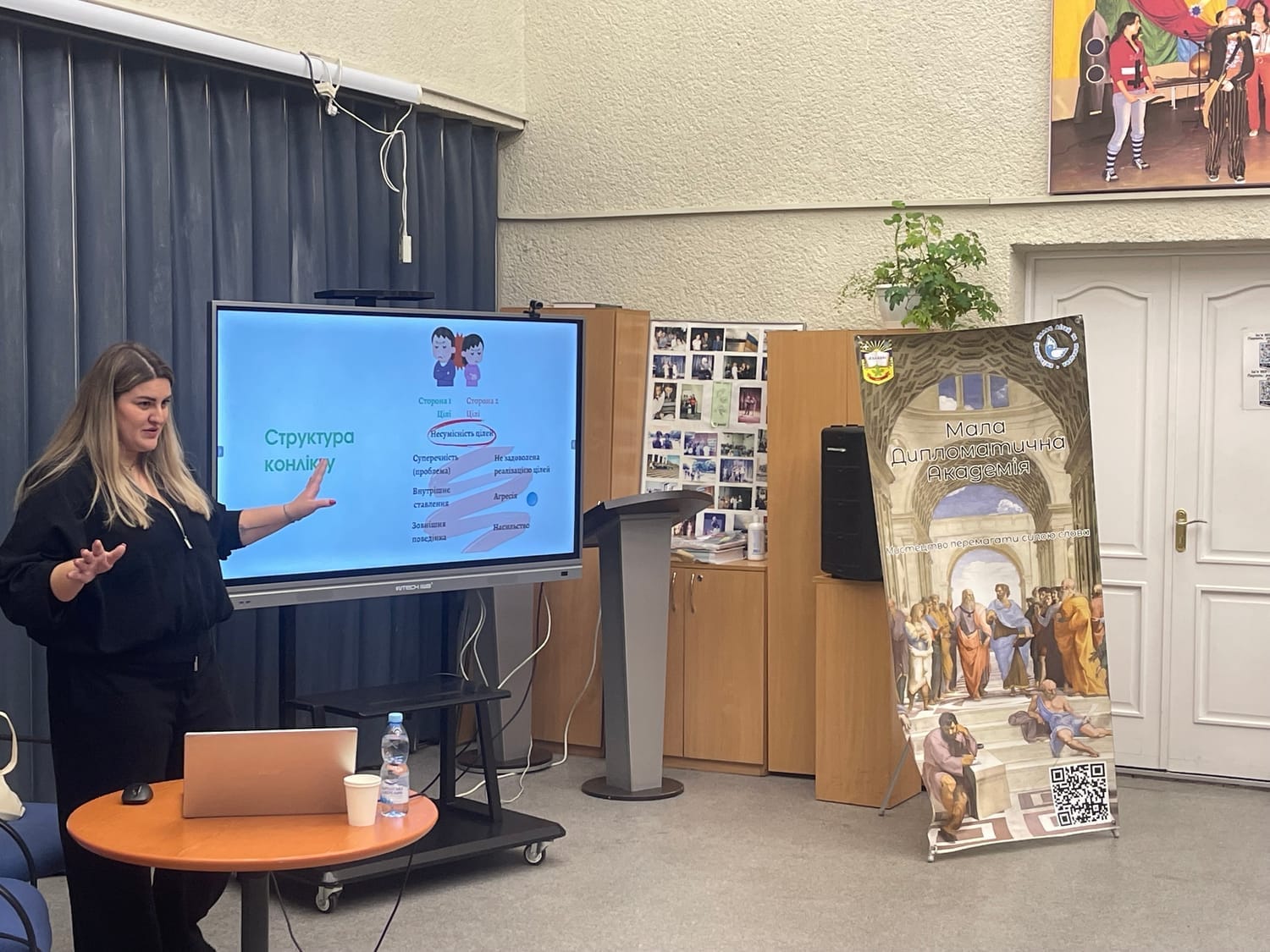
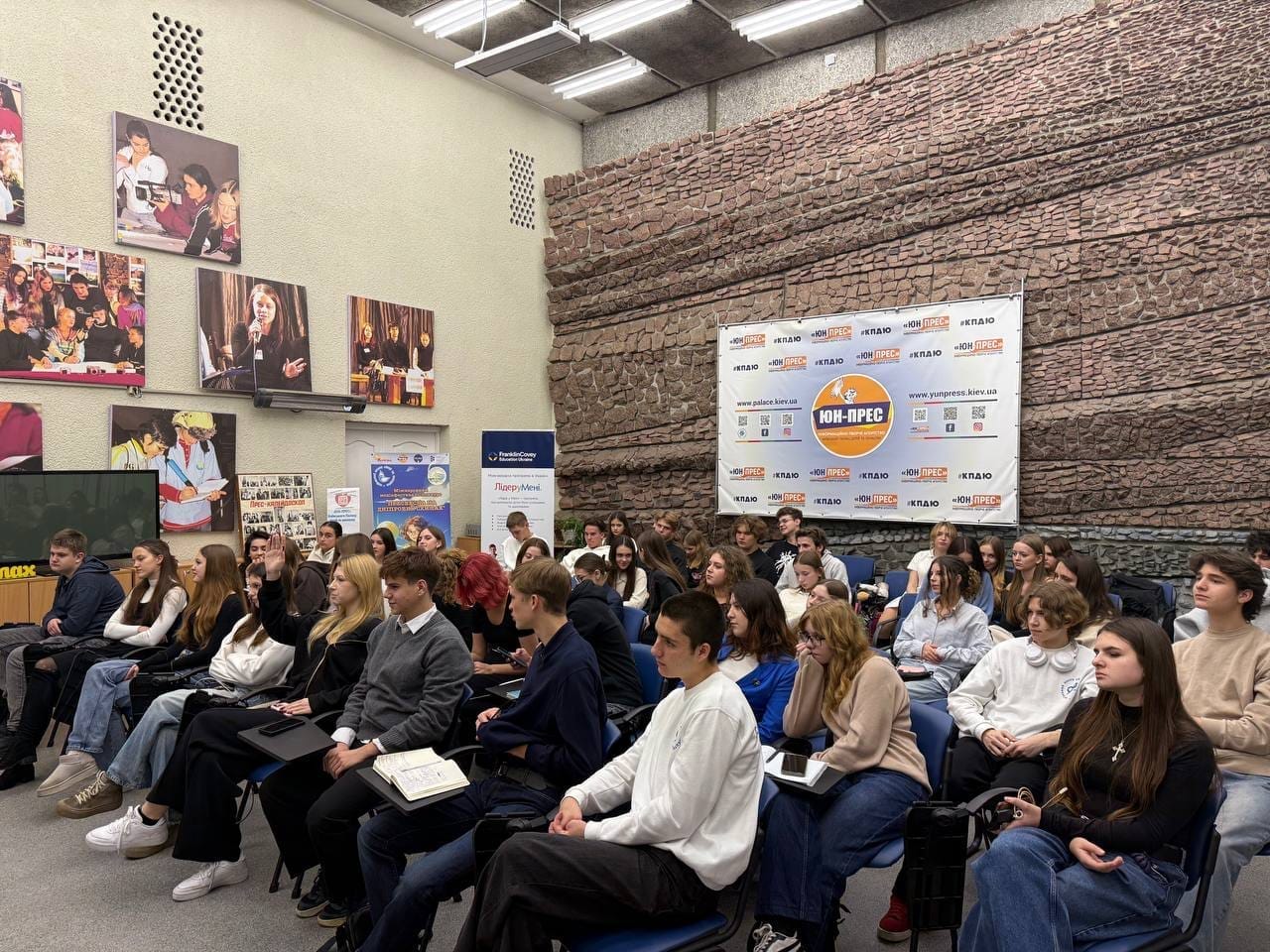
Junior Diplomatic Academy students attended a lecture titled “Conflicts and Ways to Resolve Them,” led by Tetiana Kharkivska, a social sector manager and consultant for national hotline services at the NGO La Strada Ukraine. The session encouraged students to rethink conflict — not as a problem, but as a natural part of human interaction that can be understood, anticipated, and managed constructively.
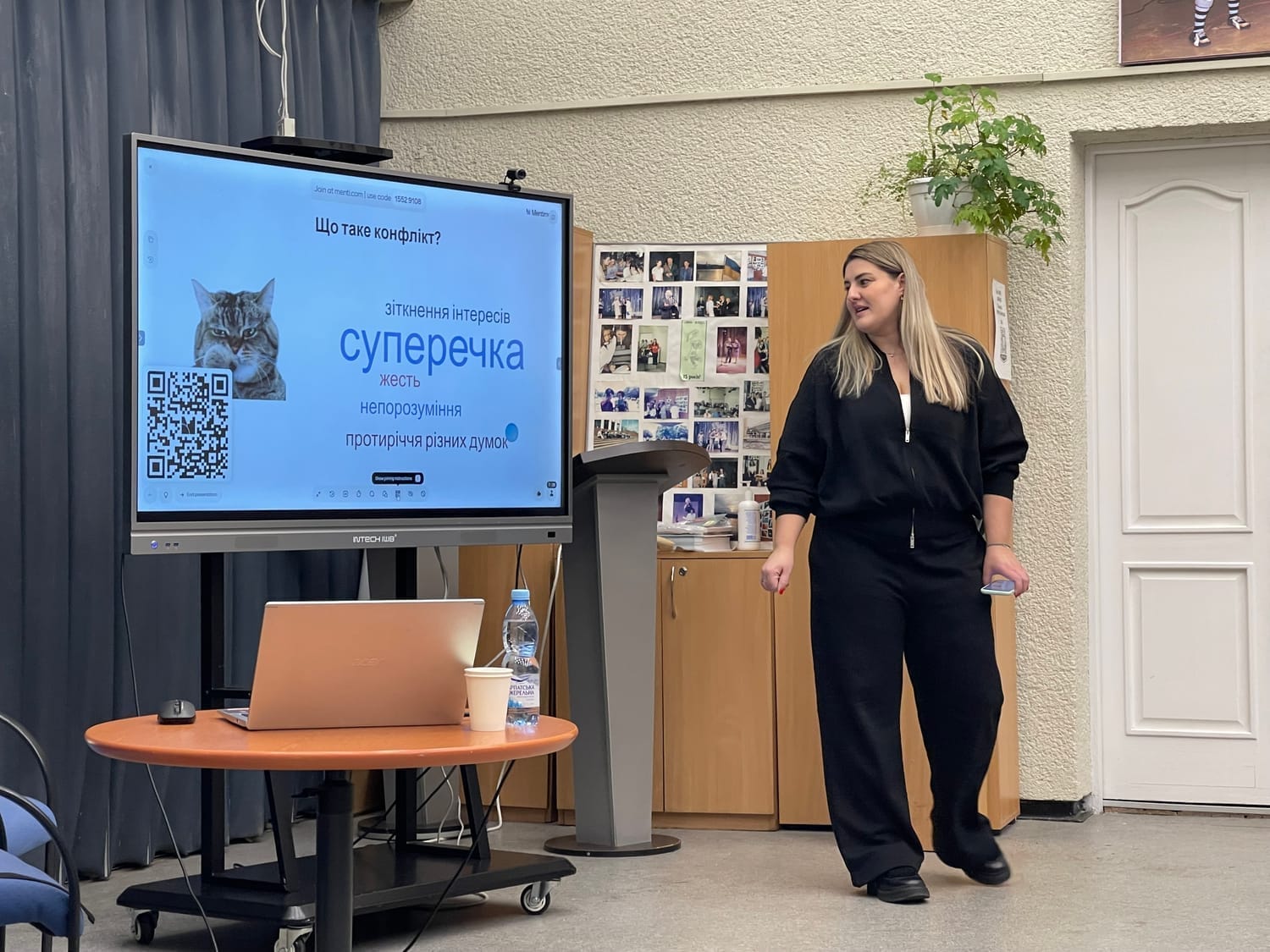
The lecture began with an interactive exercise, where students shared their associations with the concept of conflict. A live QR-based poll revealed that the most common response was “argument.” During the discussion, students even referenced Hawkins’ emotional scale, impressing the lecturer and elevating the conversation. This led to a deeper exploration of conflict as a concept — recognizing that it can be visible or hidden, horizontal or hierarchical, and either violent or non-violent. The students also developed their own insight: when differences in opinion exist but mutual respect remains, it is not a conflict, but a discussion.
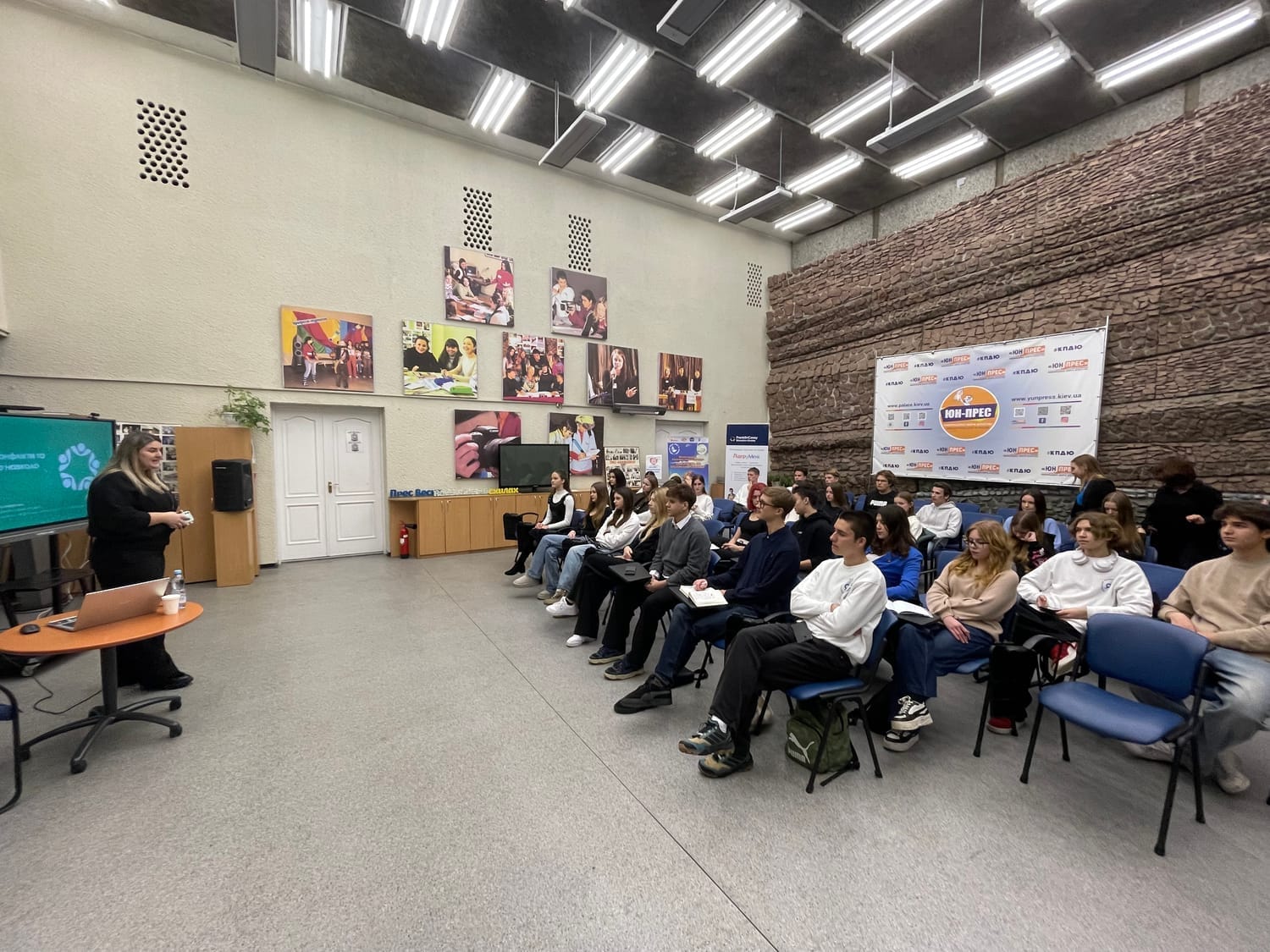
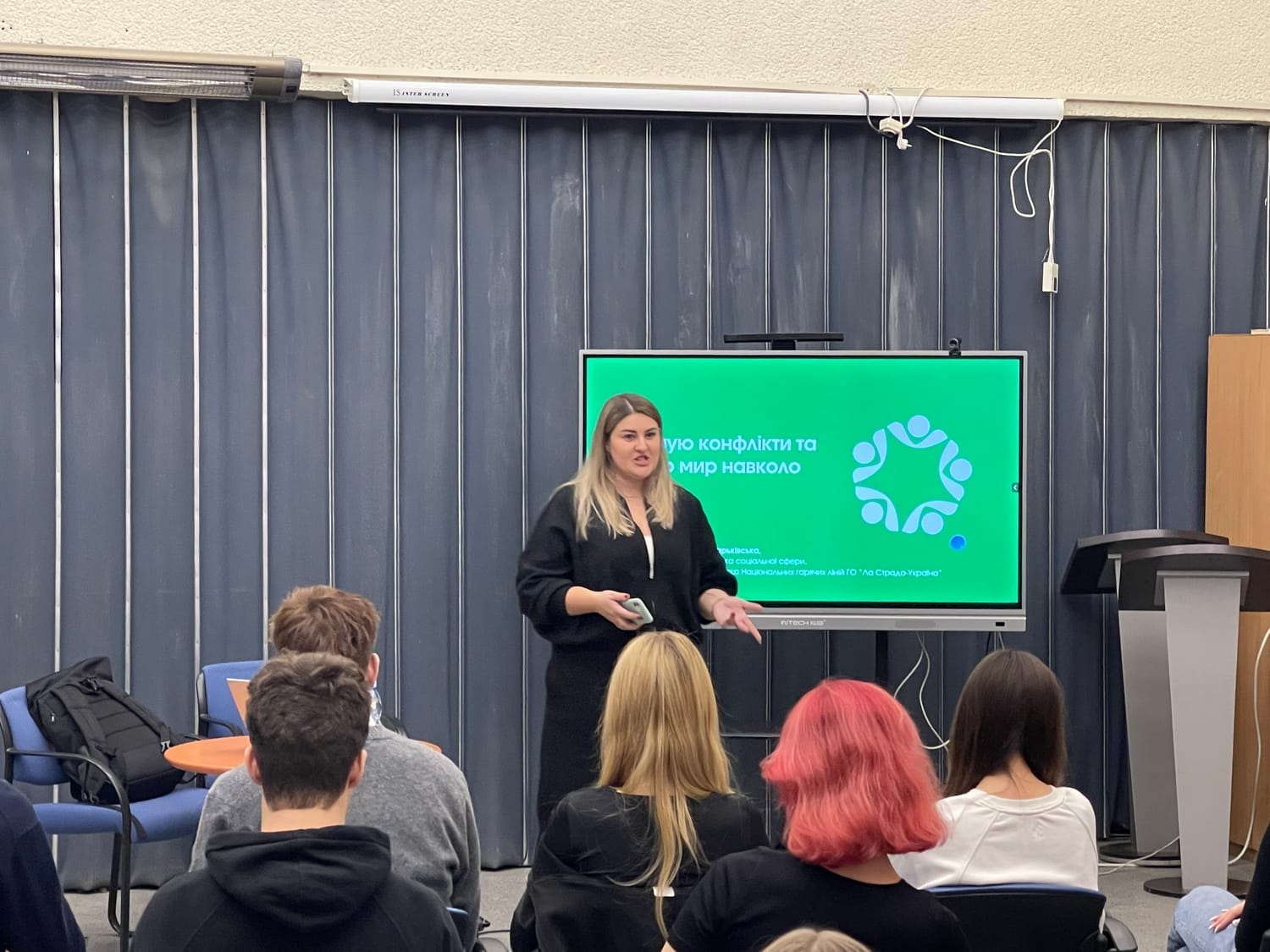
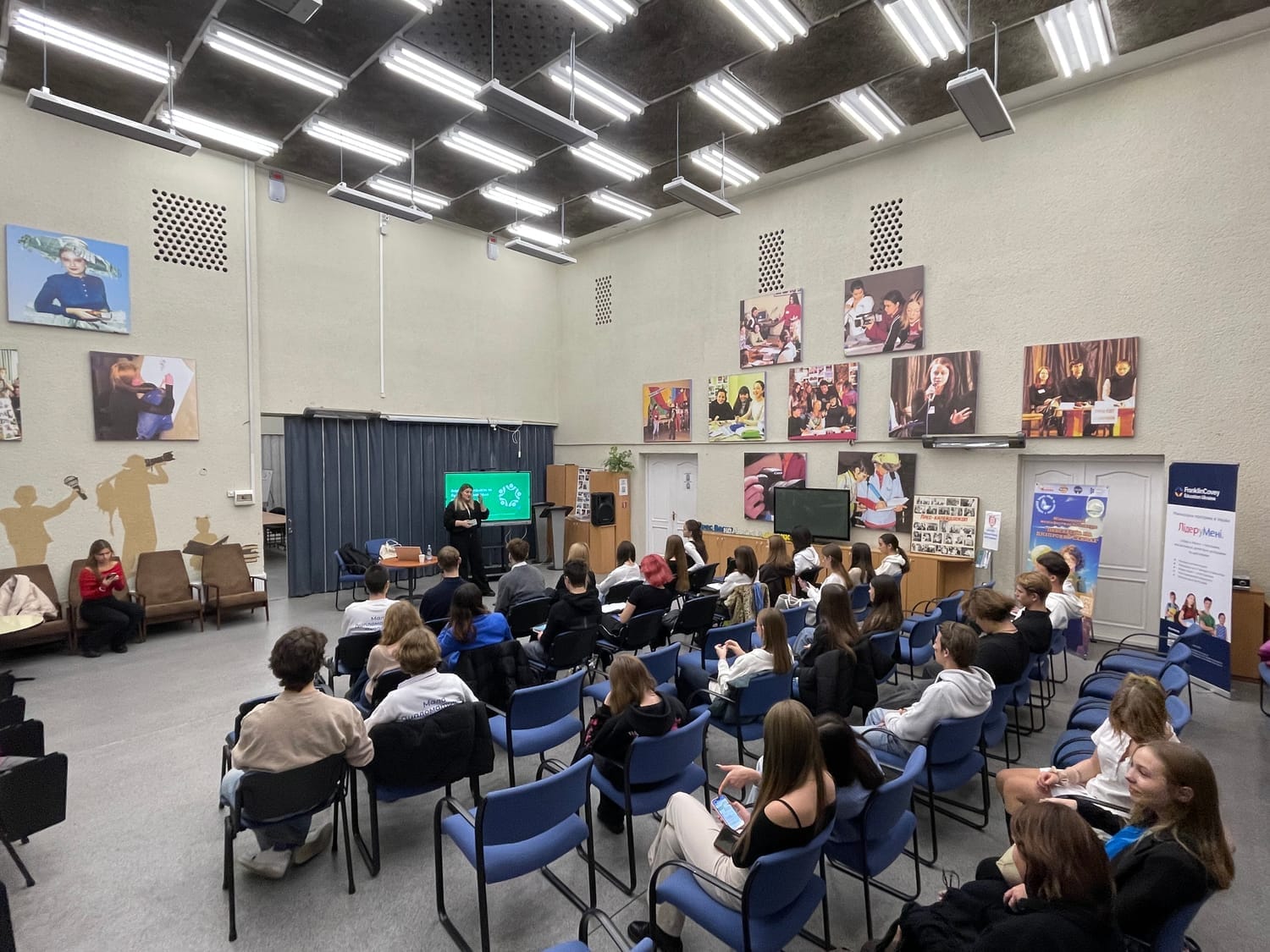
The discussion then shifted to the underlying structure of conflict — attitudes, behaviors, and the core disagreement that together shape any confrontation. Students learned that conflicts often begin with simple misunderstandings, which can escalate into an initial incident and either intensify or fade depending on whether the parties are willing to listen to each other. They also explored the idea that every action is driven by a need or motivation, and that recognizing these underlying drivers can prevent escalation.
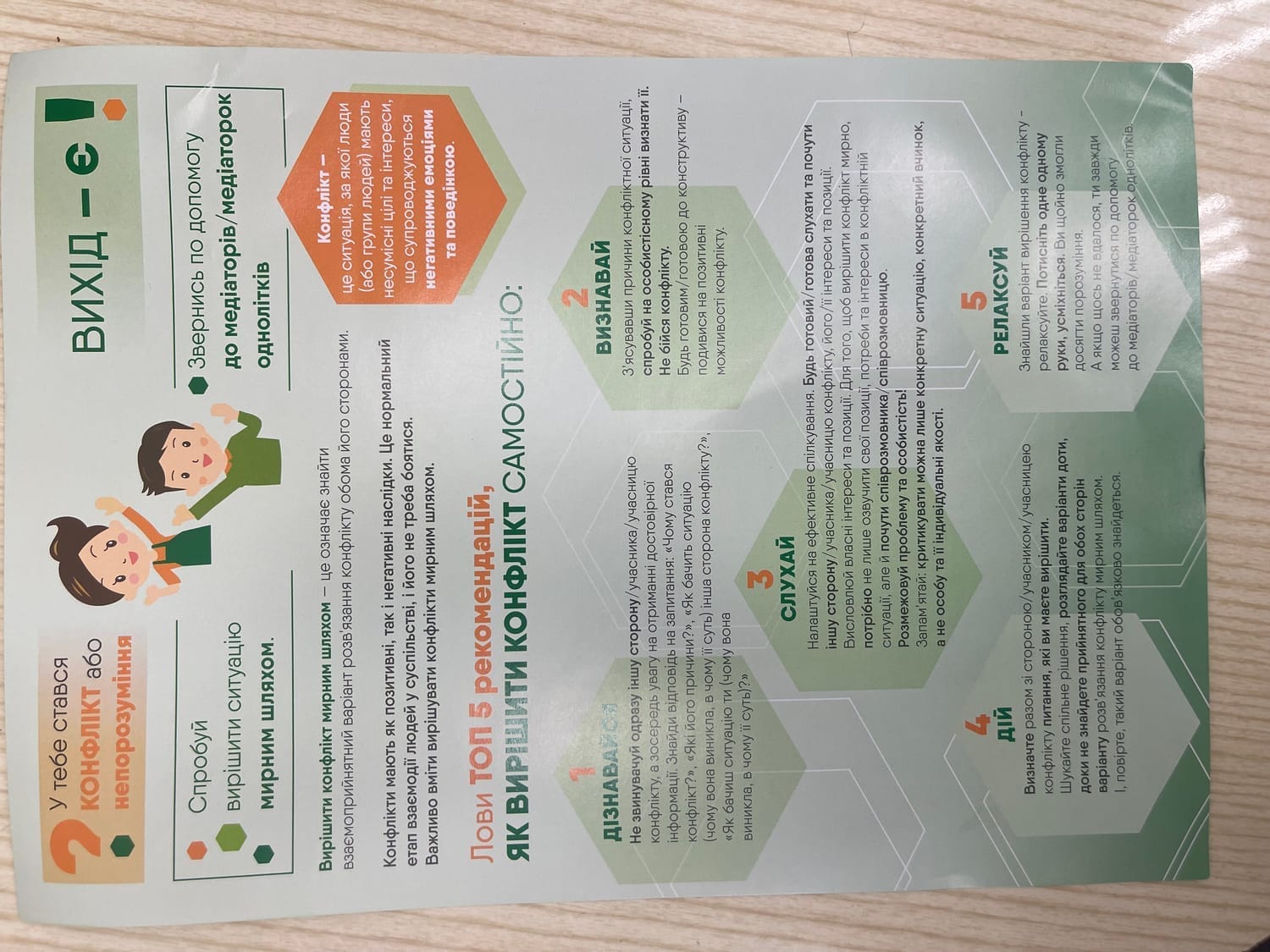
The session also focused on peaceful conflict resolution. Students discussed how constructive conflict involves working together toward a solution, and requires key skills such as active listening, respectful communication, emotional control, awareness of consequences, proactivity, and empathy. They were also provided with practical materials outlining key conflict-handling strategies, including competition, accommodation, avoidance, compromise, and collaboration.
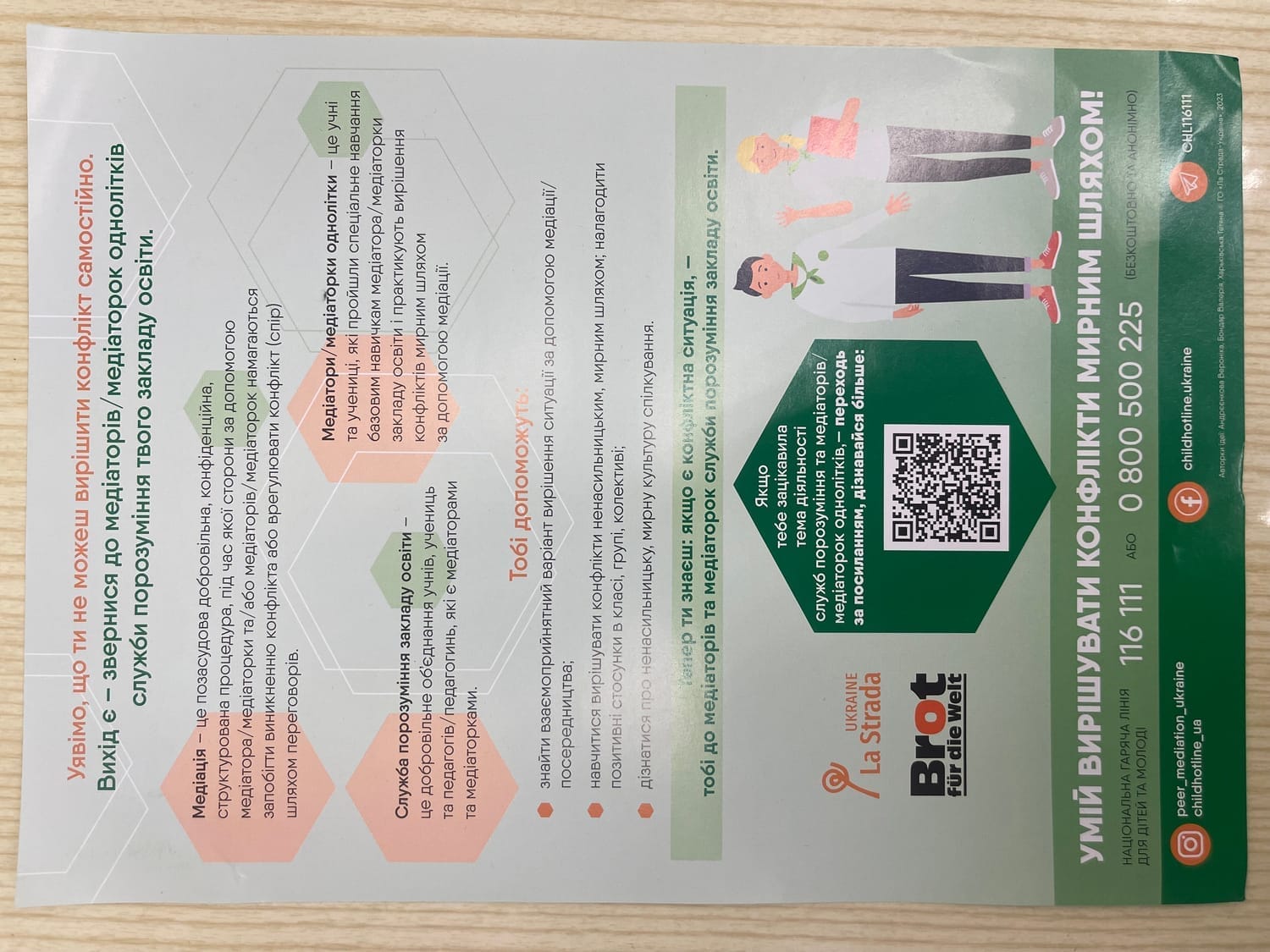
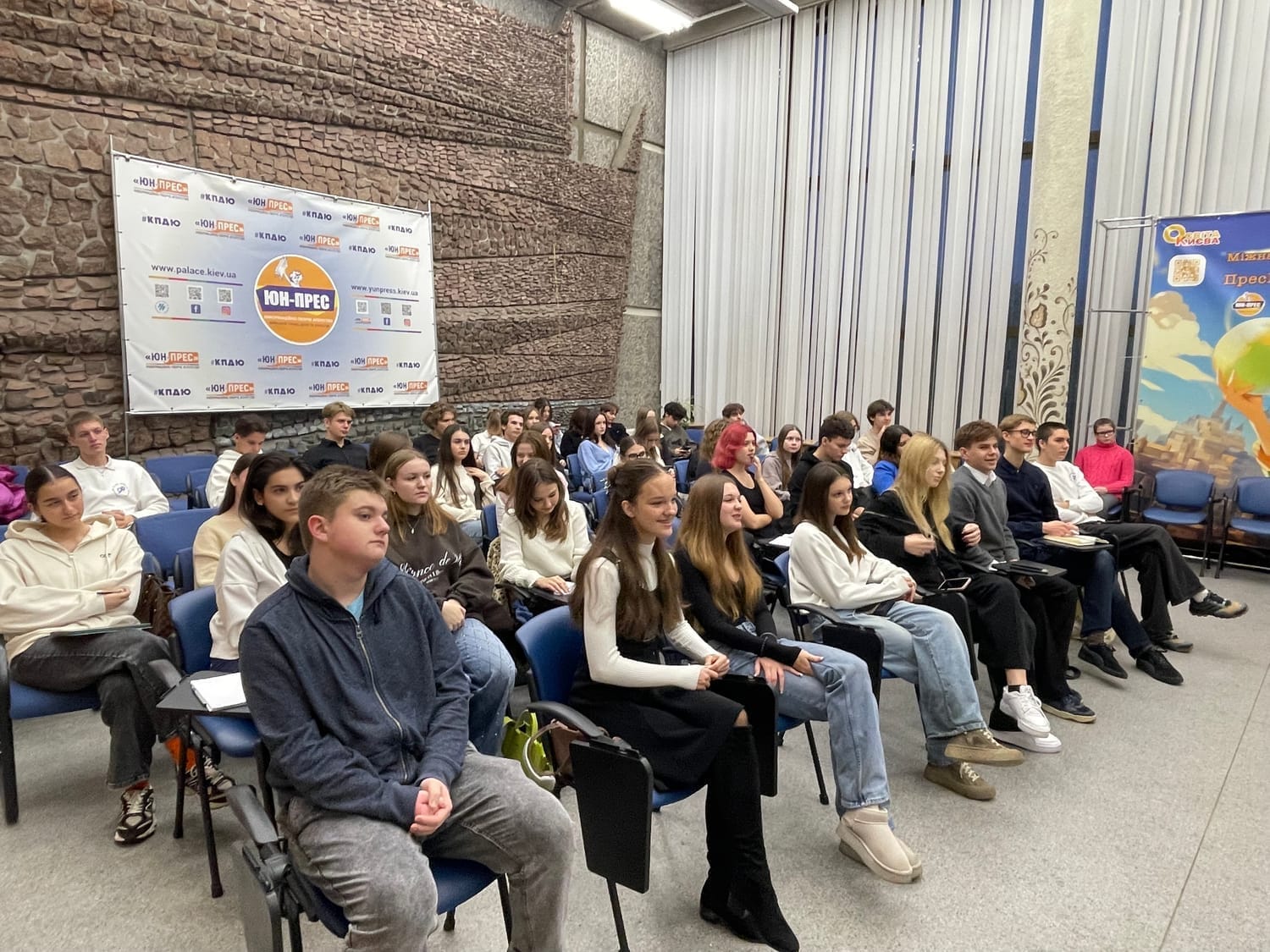
The section on mediation particularly captured the students’ interest, as it demonstrated a powerful approach to resolving disputes through a neutral third party. They learned that a mediator does not impose a solution, but instead creates the conditions for both sides to reach a mutual agreement — often a more effective path than trying to “win” through pressure or confrontation.
The lecture’s interactive format made it especially engaging and easy to absorb. Students worked through hypothetical scenarios, предложили their own solutions, debated, justified their viewpoints, and searched for the most effective approaches. Ms. Tetiana also shared real-life cases from the national hotline, illustrating the complexity and diversity of conflicts in practice. While the discussions were lively, they remained constructive, serving as a clear example of effective, respectful communication without escalation.
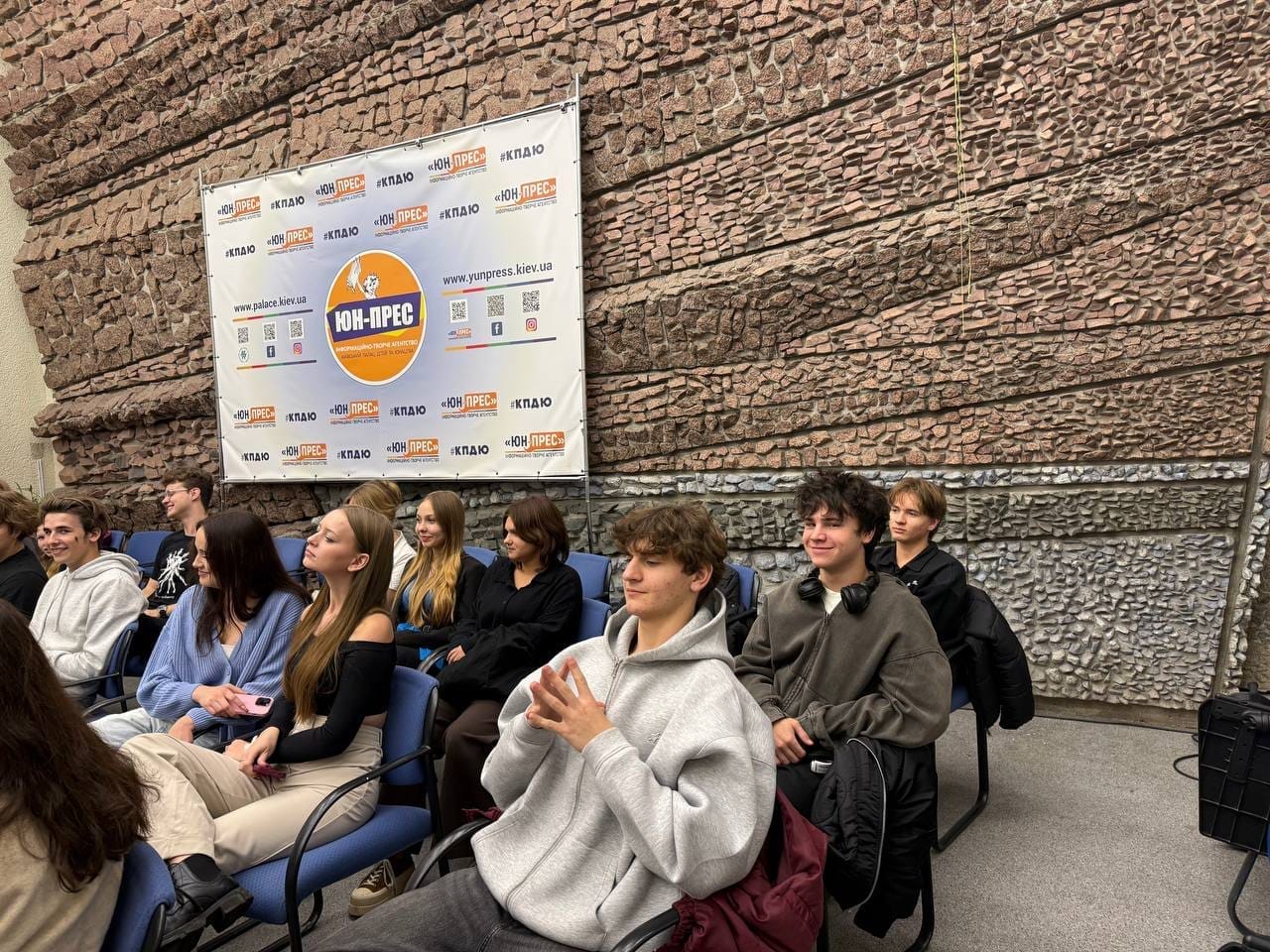
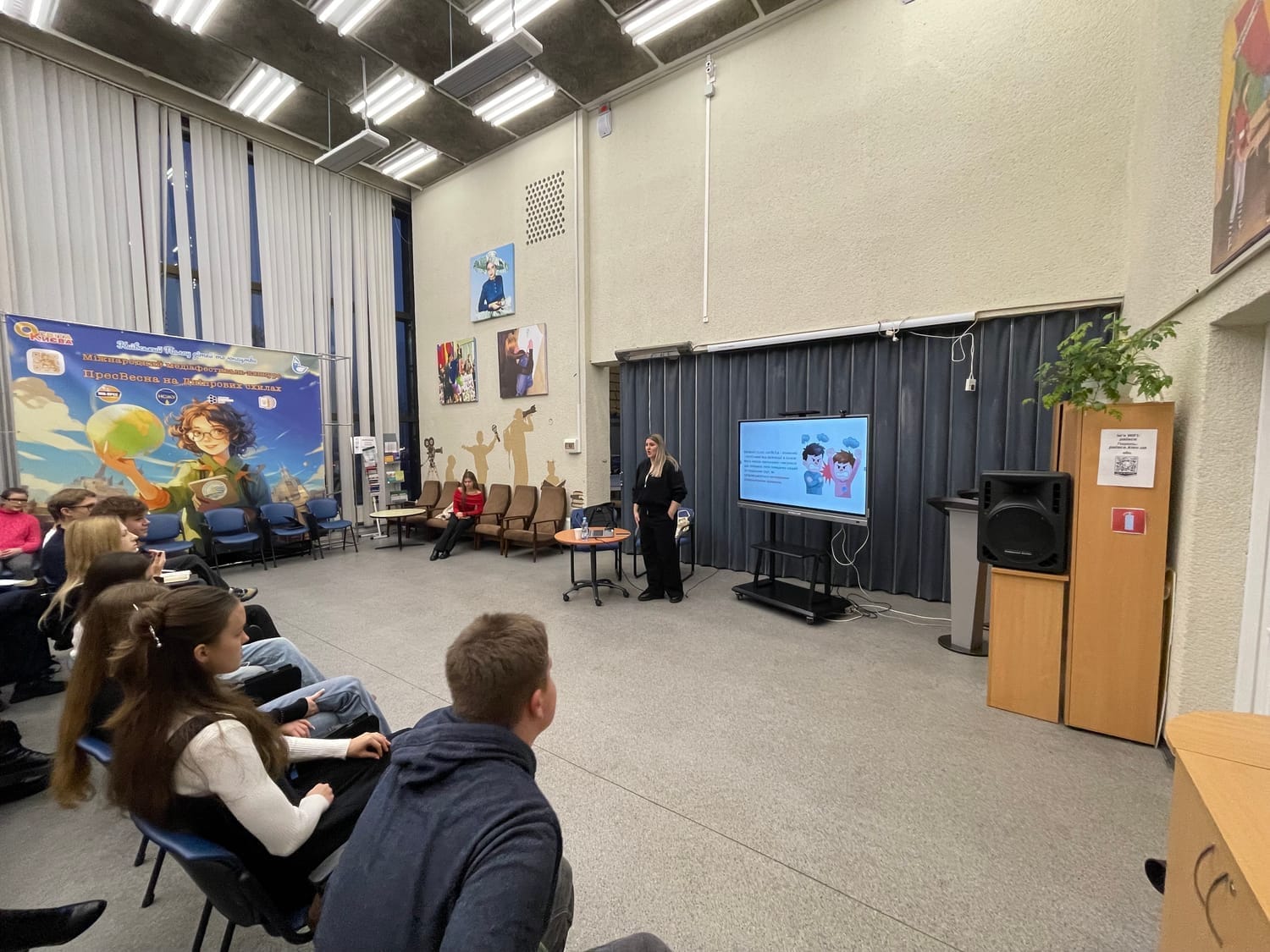
The lecturer highlighted a key takeaway: “Not every conflict needs an immediate solution, and not all conflicts can be resolved instantly — what matters most is preventing escalation and avoiding violence.” For future diplomats, the session reinforced the idea that conflict is not only a challenge, but also an opportunity to learn how to listen, engage, negotiate, and preserve dignity in communication. Experiences like this help shape diplomats who can think more deeply and respond wisely in complex situations.
Rita Serhiivna, head of the Kyiv Palace of Children and Youth project office, added: “The notes from this lecture will serve the students well in both their studies and their lives. Diplomacy begins with dialogue — the ability to listen, find common ground, and act responsibly. These are the skills that build a strong foundation for their future work in representing Ukraine on the global stage.”