Junior Diplomatic Academy students explored cultural studies and intercultural communication
December 10-11, 2025
Junior Diplomatic Academy students attended a lecture led by Iryna Valeriivna Liashenko, PhD in Philosophy, Associate Professor at the Department of Ukrainian Philosophy and Culture, and a member of the Ethics Committee. The session focused on cultural studies and intercultural communication, offering students a deeper understanding of how culture shapes nations, communication, and our worldview.
From the outset, the lecture was dynamic and practical. Ms. Liashenko invited students to rethink cultural studies — not as abstract theory, but as a powerful tool for understanding global interactions. The discussion explored how Ukraine is perceived in the international information space, why the “victim” narrative is often rooted in historical trauma, and what it takes to reshape that image into one of strength and agency.
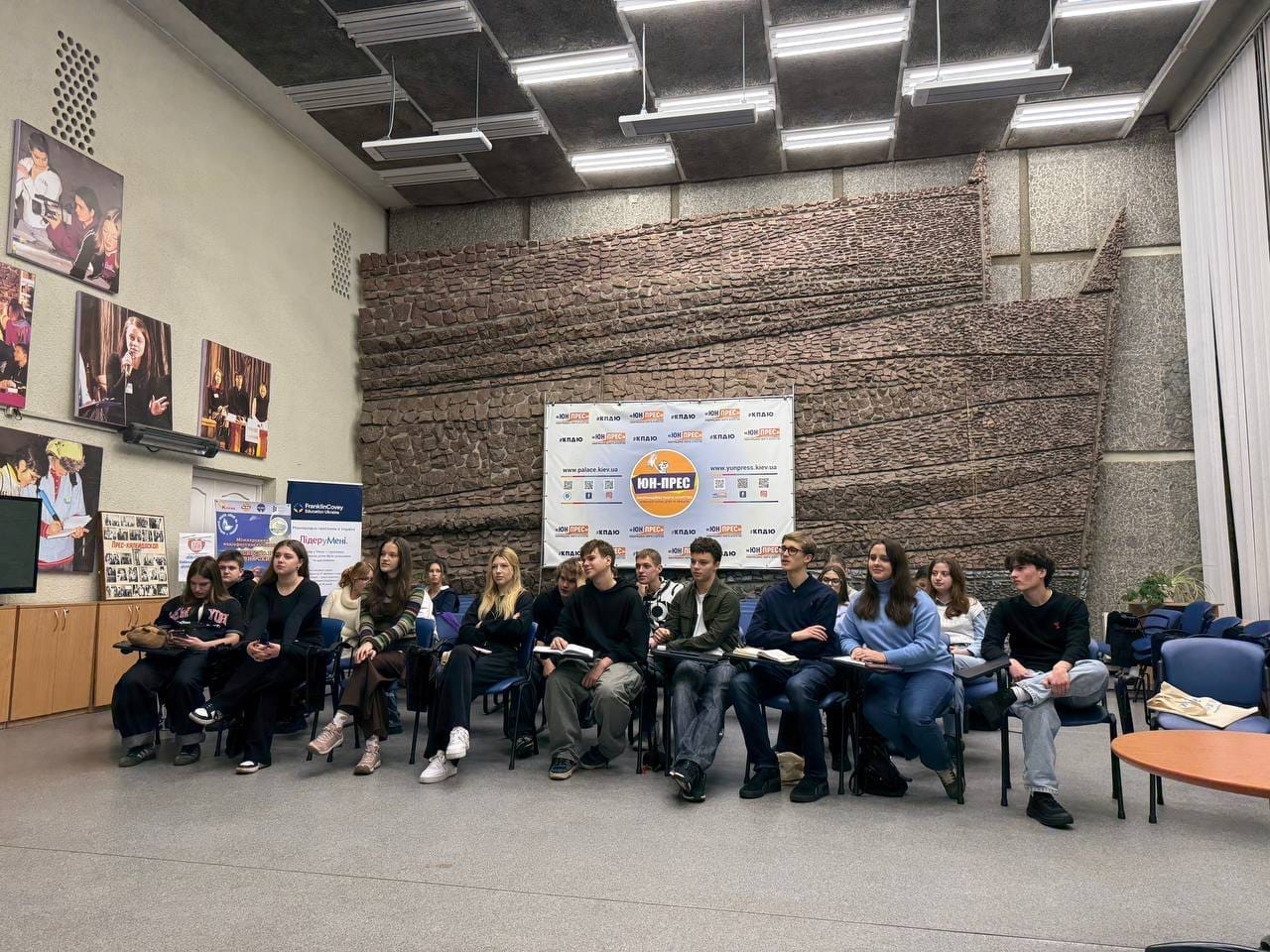
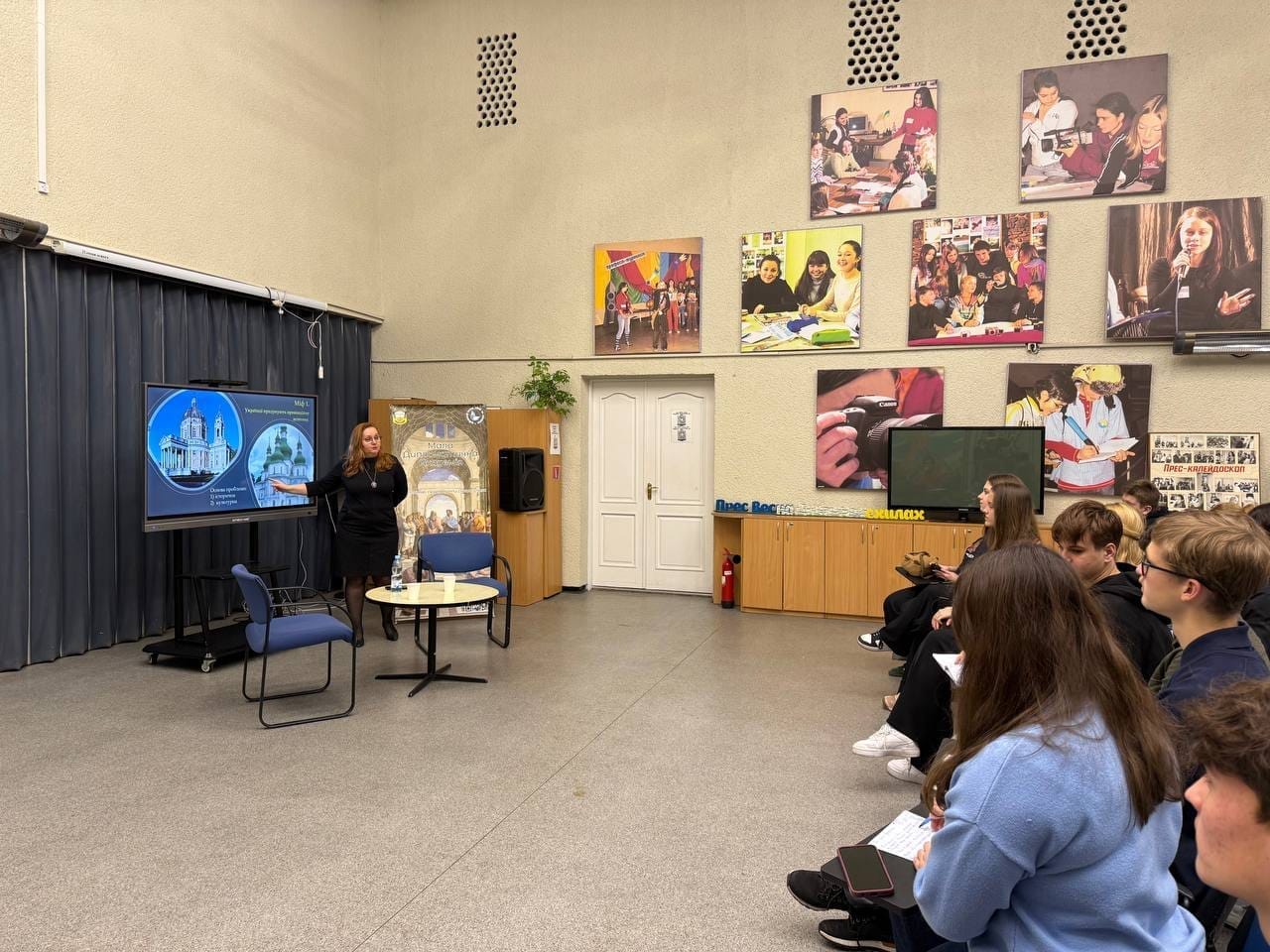
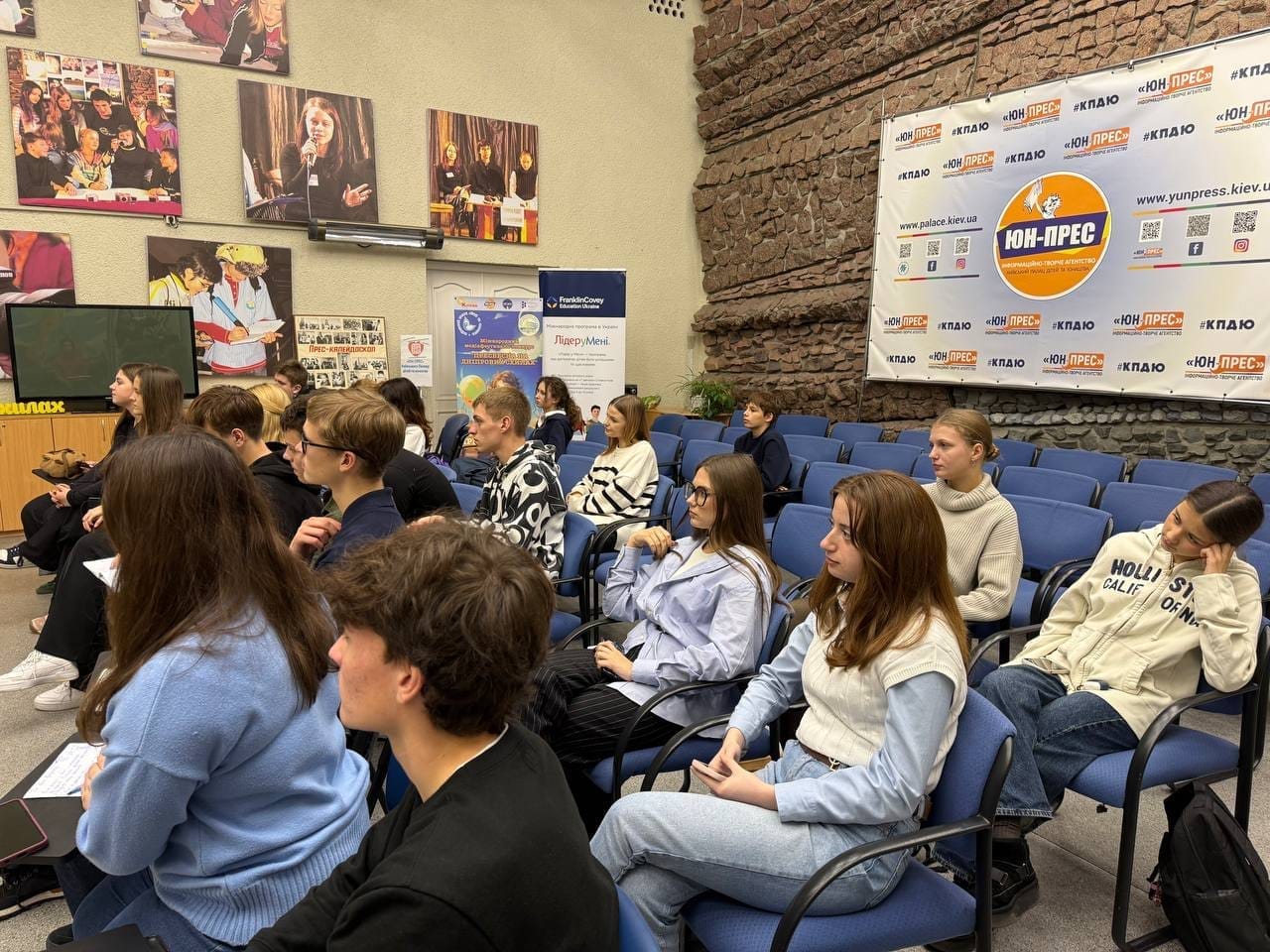
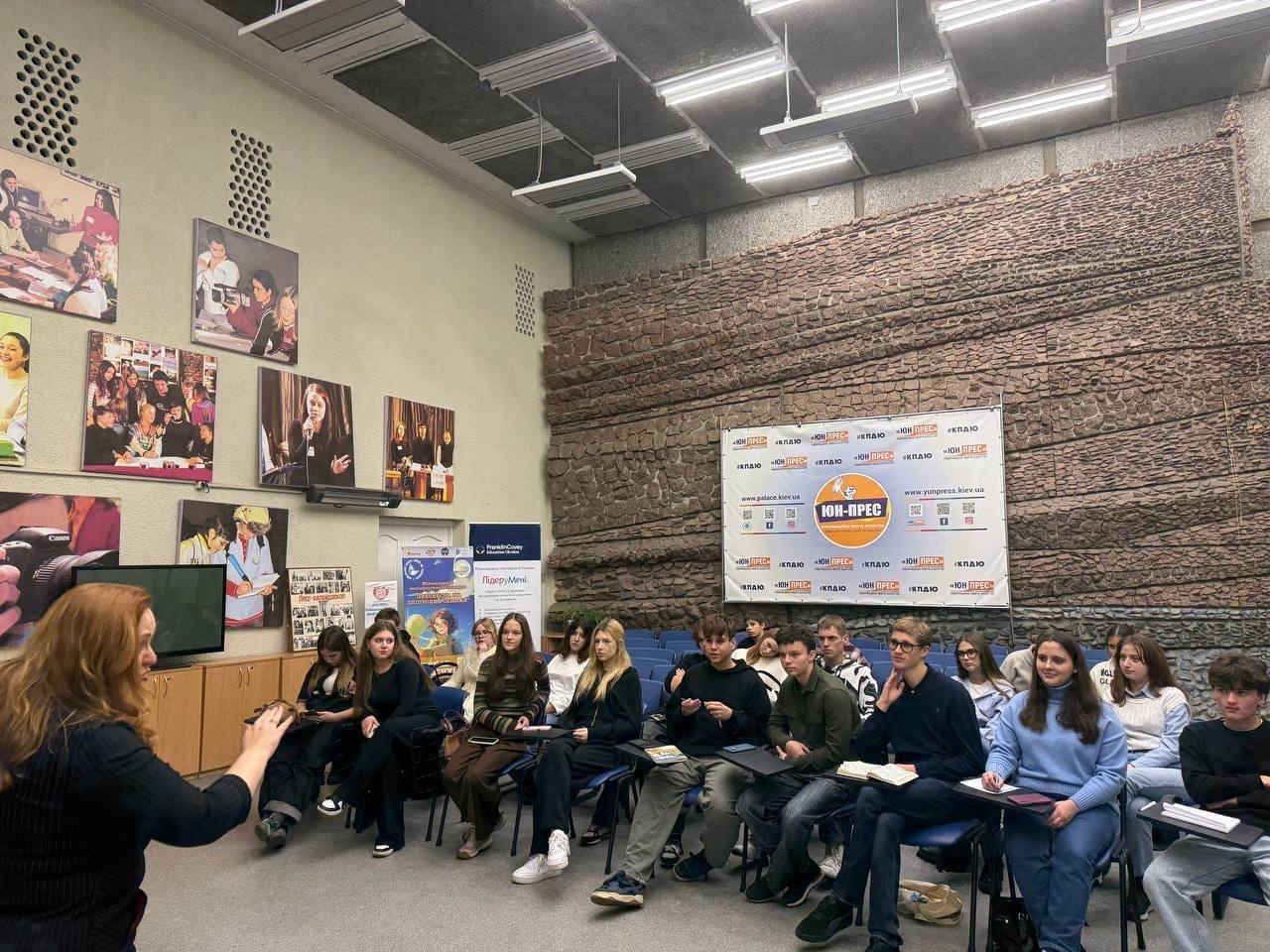
The session also explored the foundations of what shapes a state — from education and legal culture to the broader concept of national identity. Ms. Liashenko explained the idea of the national myth, not as something fictional, but as a framework that shapes how a country is perceived both internally and internationally. Students recognized that such narratives can be a powerful resource, but can also become limiting when exploited through propaganda.
The discussion extended to information warfare, highlighting that countering propaganda is no longer optional, but essential. Students examined how cultural narratives influence international relations and how intercultural communication helps build trust between nations.
The lecture then shifted toward art and architecture, where participants explored European and Ukrainian Baroque, comparing their forms, symbolism, and historical context. Many discovered that Ukrainian (Cossack) Baroque possesses distinct characteristics and can serve as a strong tool of cultural diplomacy.
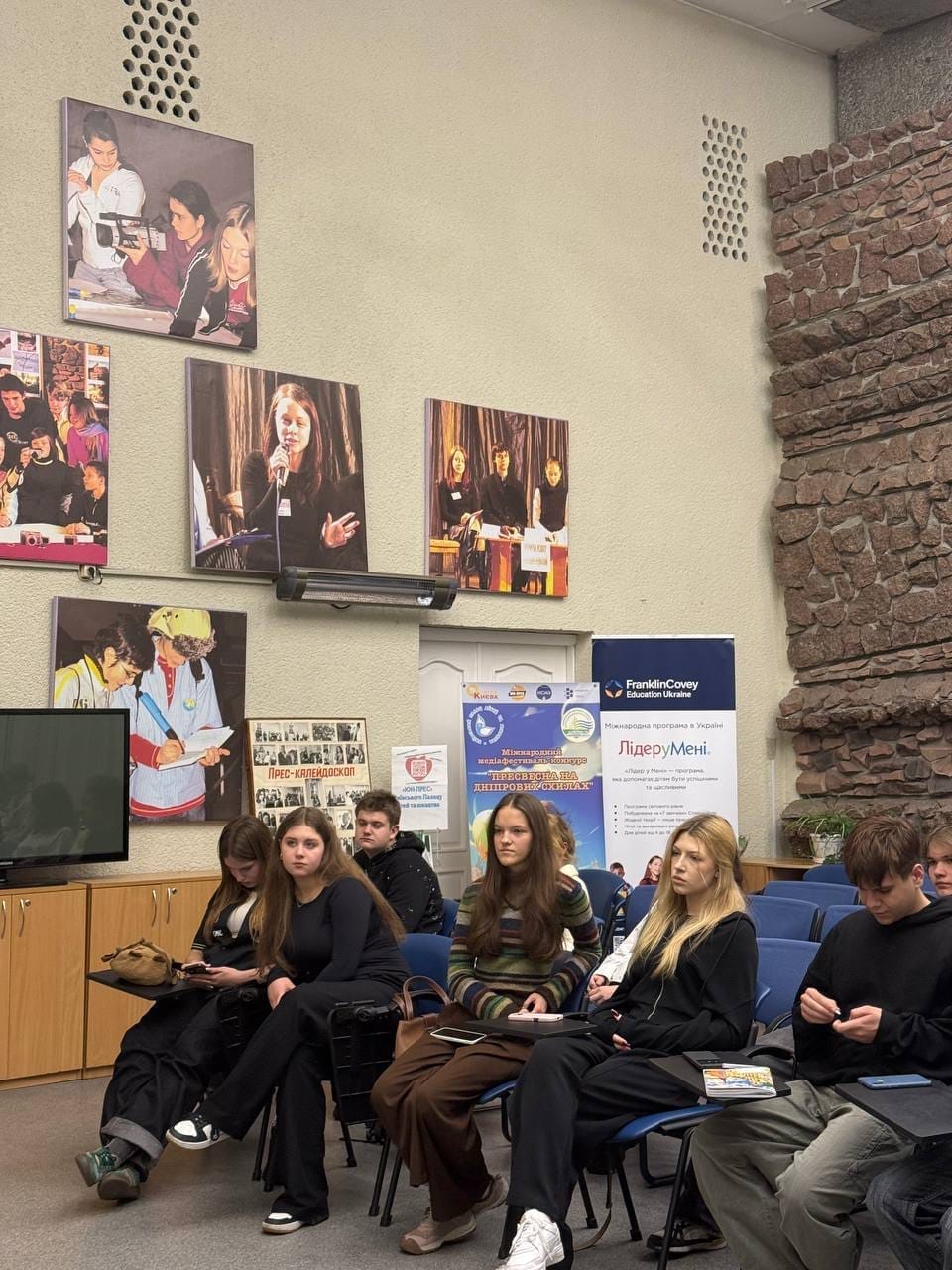
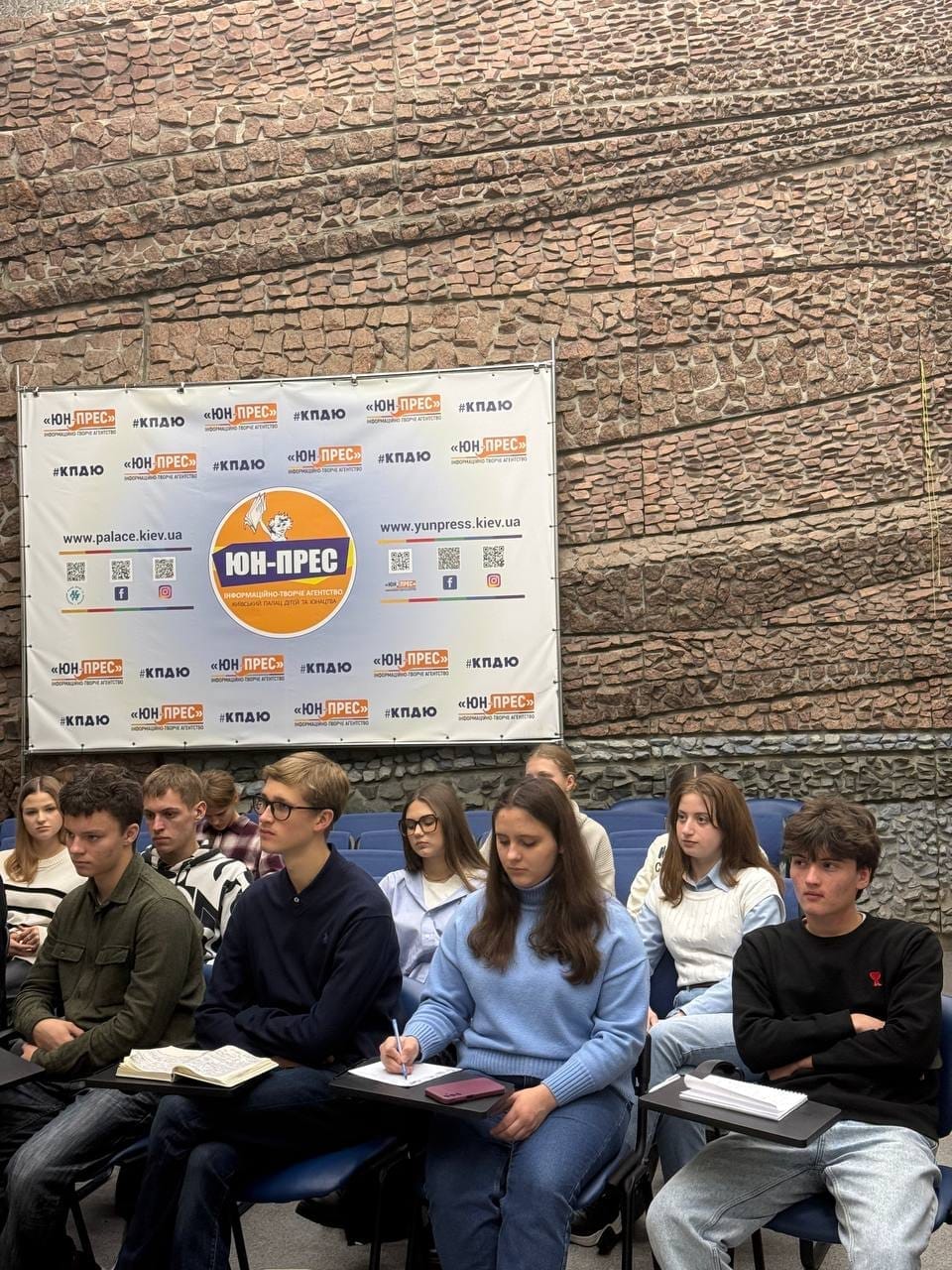
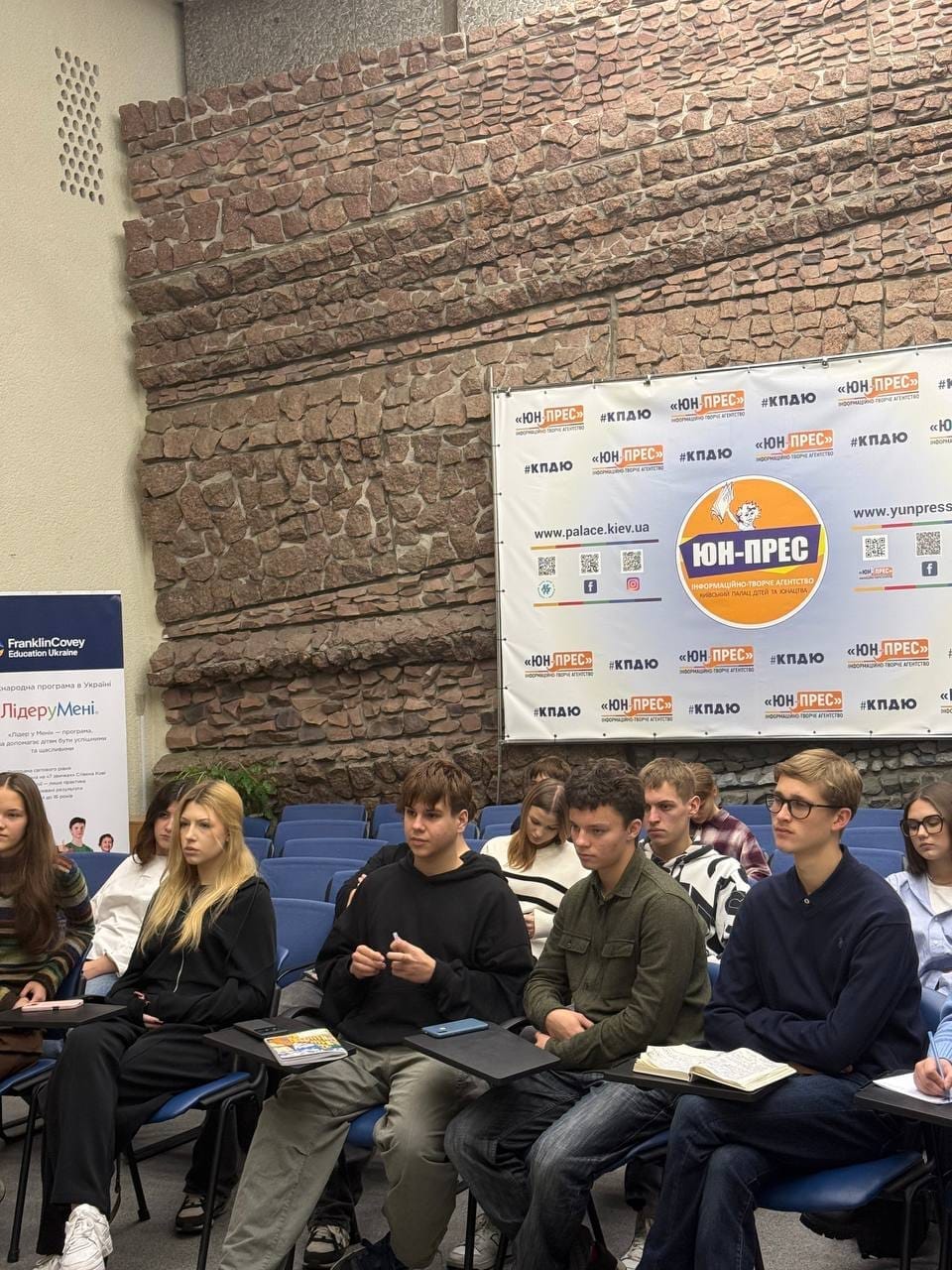
Ms. Liashenko was sincerely impressed by the students’ level of engagement, noting that such active participation is rare even among university-level cultural studies students. The participants asked thoughtful questions, engaged in discussions, shared their own examples, and demonstrated a depth of understanding that exceeded expectations.
The students’ reflections echoed this. Many shared that they had, for the first time, truly grasped the concept of a national myth and its role in today’s world. They deepened their understanding of intercultural diplomacy, explored the differences between Ukrainian and European art across historical periods, and discovered how cultural heritage can serve as a powerful tool for international communication. One student, well-versed in Ukrainian history, noted that he saw Ukrainian Baroque “from a completely new perspective,” while another said the lecture helped him understand culture as a coherent system.
The session took place in a warm, open atmosphere where everyone felt free to ask questions, share ideas, and engage in dialogue. It was more than a lecture — it was a meaningful exchange between the speaker and the audience, expanding perspectives, reinforcing the value of Ukrainian cultural heritage, and equipping students with tools for thoughtful intercultural engagement.
