Junior Diplomatic Academy students met the Director of the Diplomatic Academy of Ukraine
January 21, 2026
Ihor Ostash, Director of the Hennadii Udovenko Diplomatic Academy of Ukraine at the Ministry of Foreign Affairs, personally welcomed the Junior Diplomatic Academy students, opening the conversation with reflections on the country’s resilience and the shared responsibility for shaping its future — even in challenging times.
He also highlighted what makes the initiative truly unique: there are very few examples worldwide where both a Diplomatic Academy and a Junior Diplomatic Academy operate in parallel. In his view, this is the strength of the program — giving young people an early, conscious entry into diplomacy, not just through theory, but through meaningful, real-world experience.
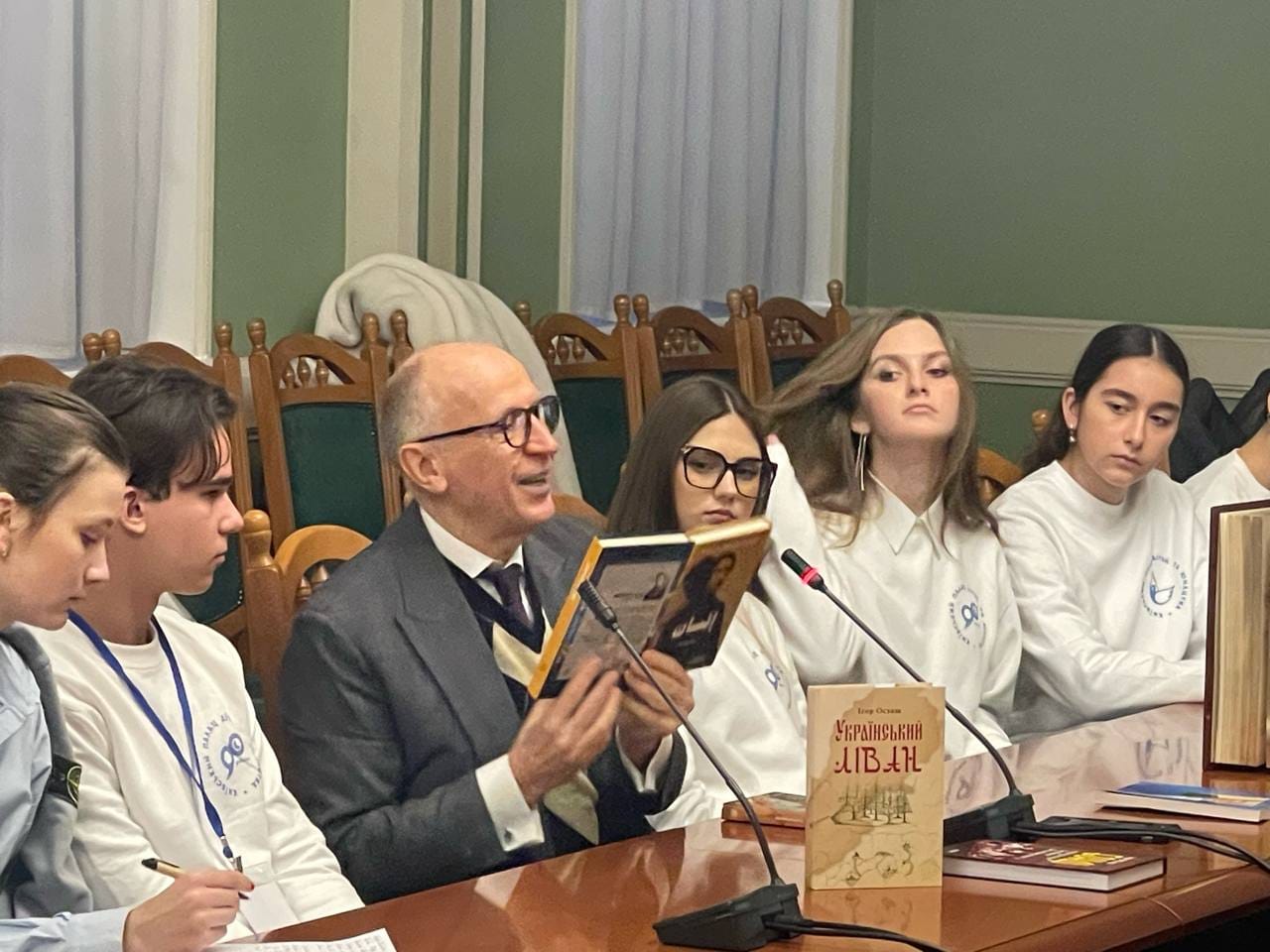
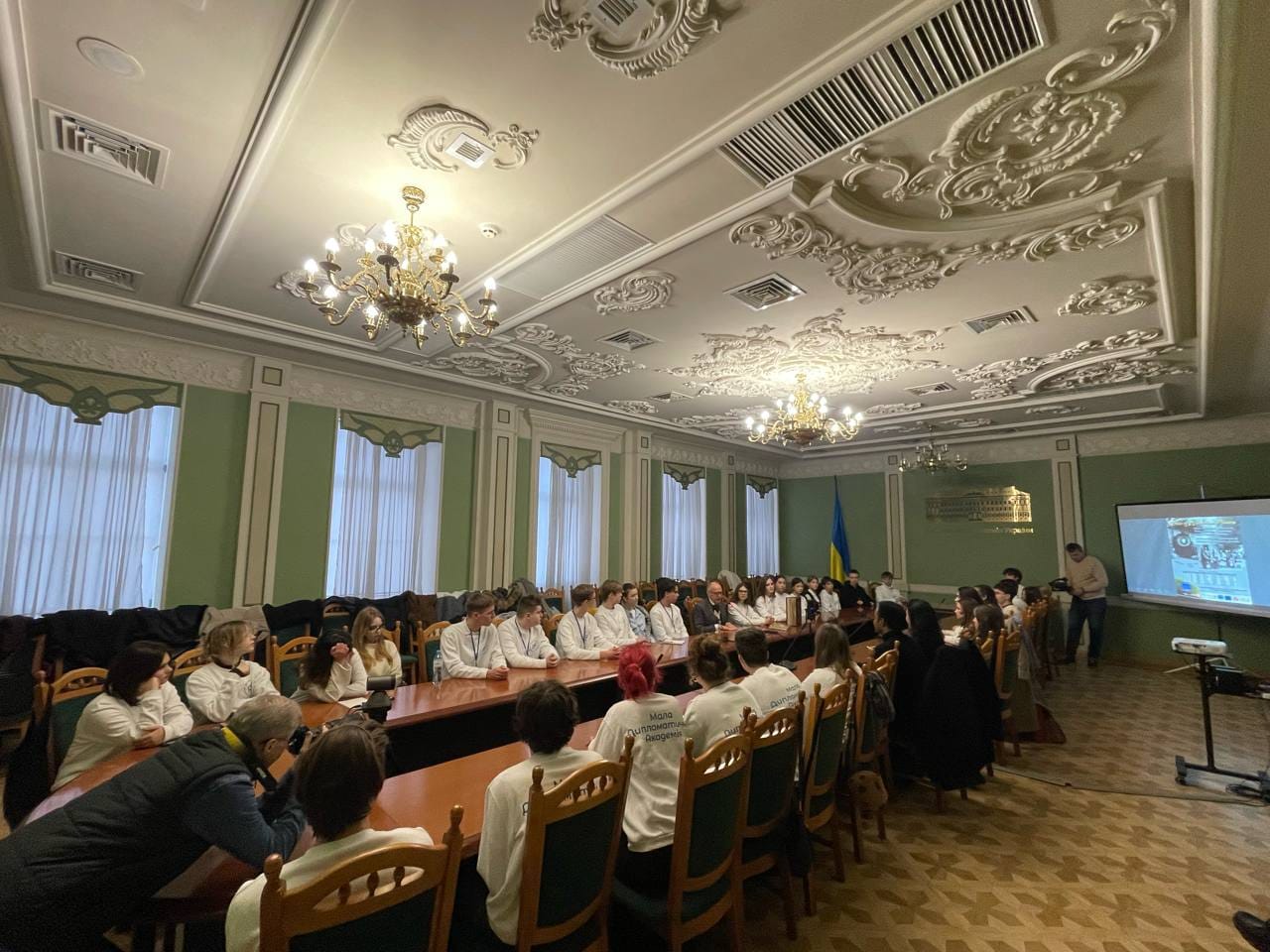
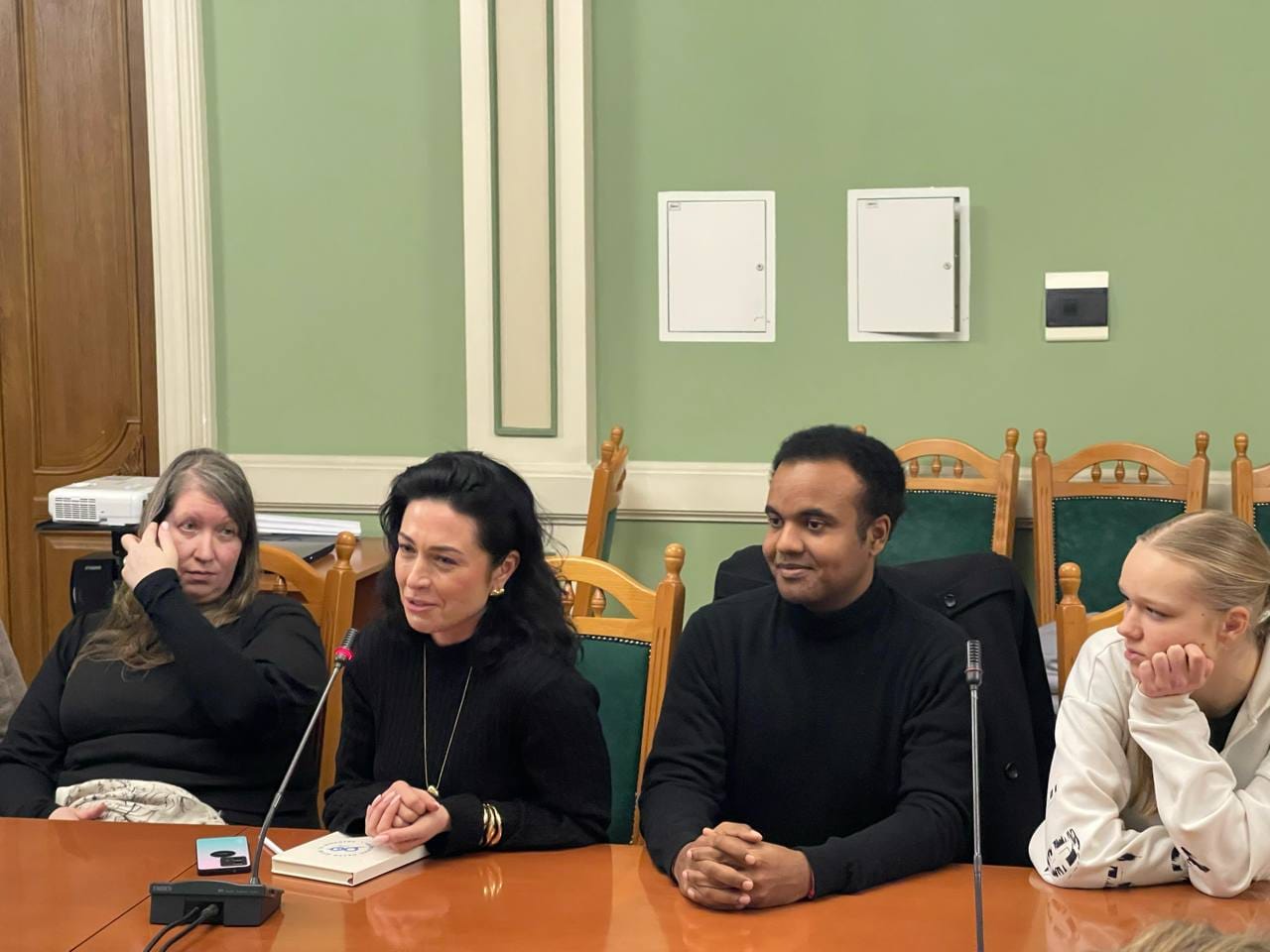
Ihor Ivanovych shared his own journey, noting that, like many students, he once dreamed of becoming a diplomat — yet his path began in science rather than in formal diplomatic studies. This served as a powerful reminder that there is no single “correct” route into diplomacy. What truly matters is persistence, curiosity, and a commitment to growth.
He also stressed the importance of learning languages, describing them as a key tool for bridging gaps between cultures, nations, and people. In his words, languages do more than enable communication — they make it possible to truly be heard.
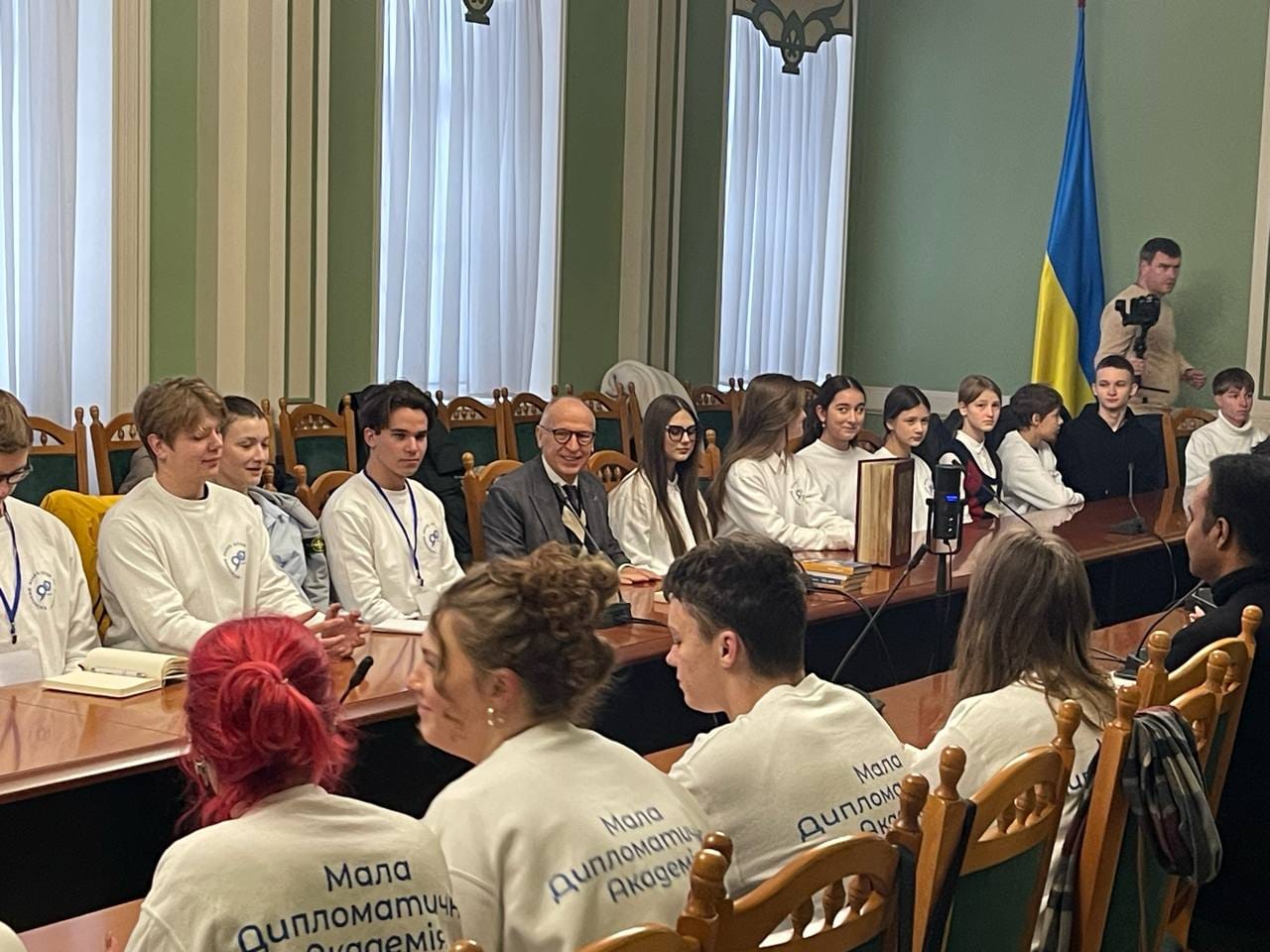
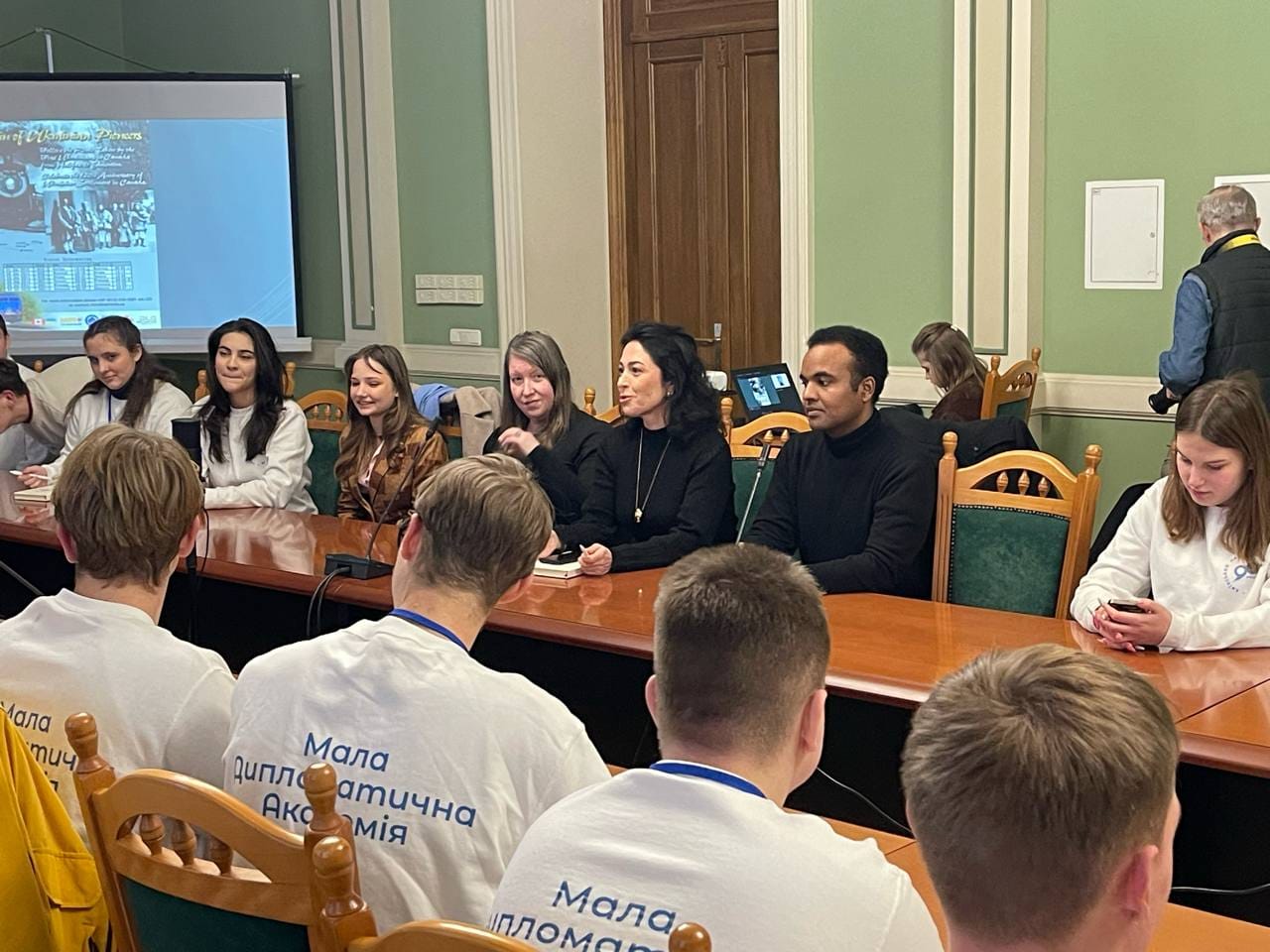
Students of the Junior Diplomatic Academy explored Ihor Ivanovych’s diplomatic experience as Ukraine’s Ambassador to Canada and Lebanon. He highlighted the important role of the Ukrainian diaspora in Canada, its impact on both cultural and economic life, and the strong international support Ukraine received at the outset of the full-scale invasion. One particularly memorable story was about Lebanon, where a forty-meter Ukrainian flag was carried through the capital as a gesture of solidarity.
The conversation also turned to culture as a powerful diplomatic tool. The Director spoke about Ukrainian literature being translated into Arabic — including works by Skovoroda, Stus, Lesya Ukrainka, Olha Kobylianska, and even “Kobzar.” For the students, this illustrated how culture can be just as influential on the global stage as political messaging.
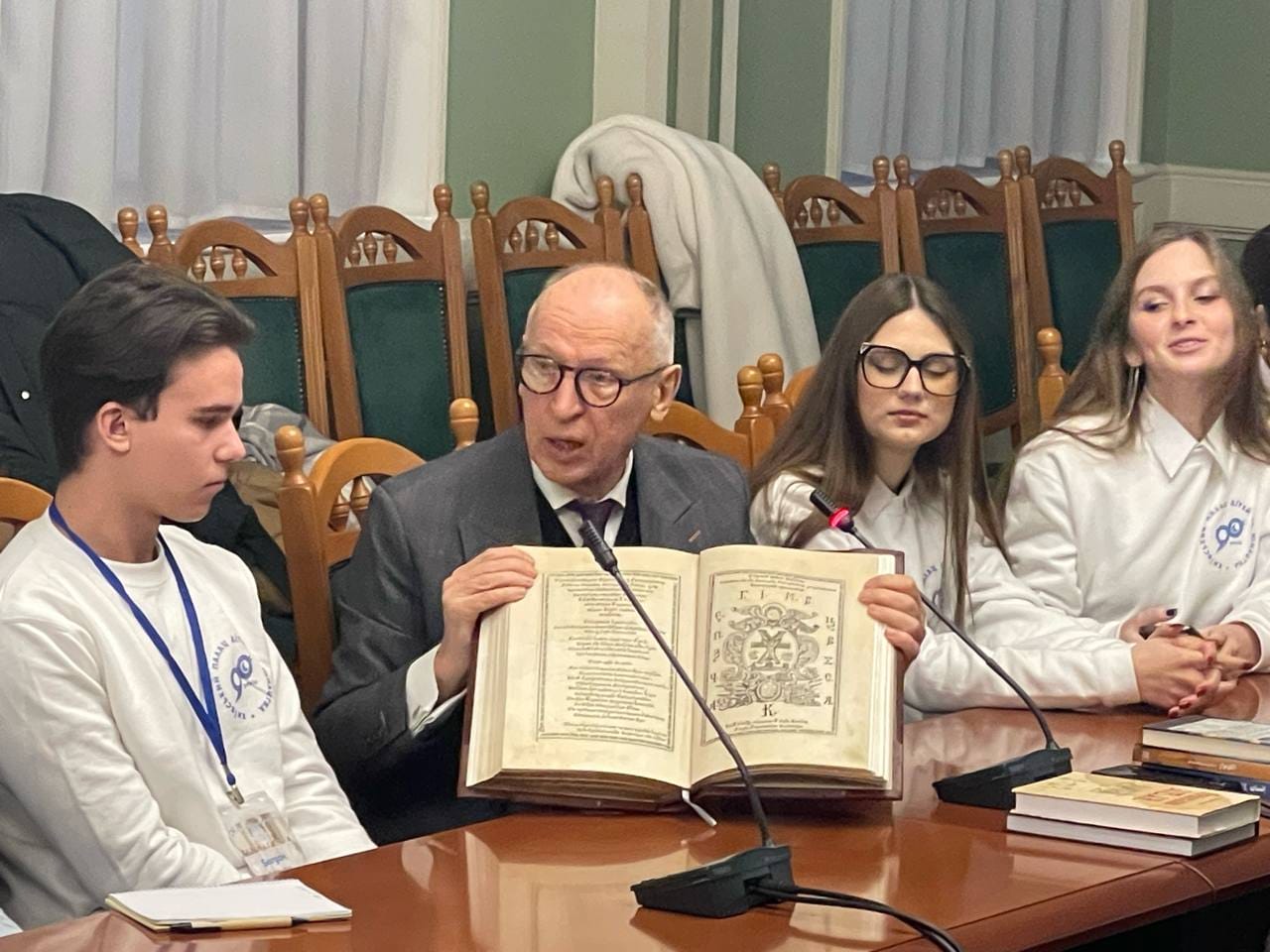
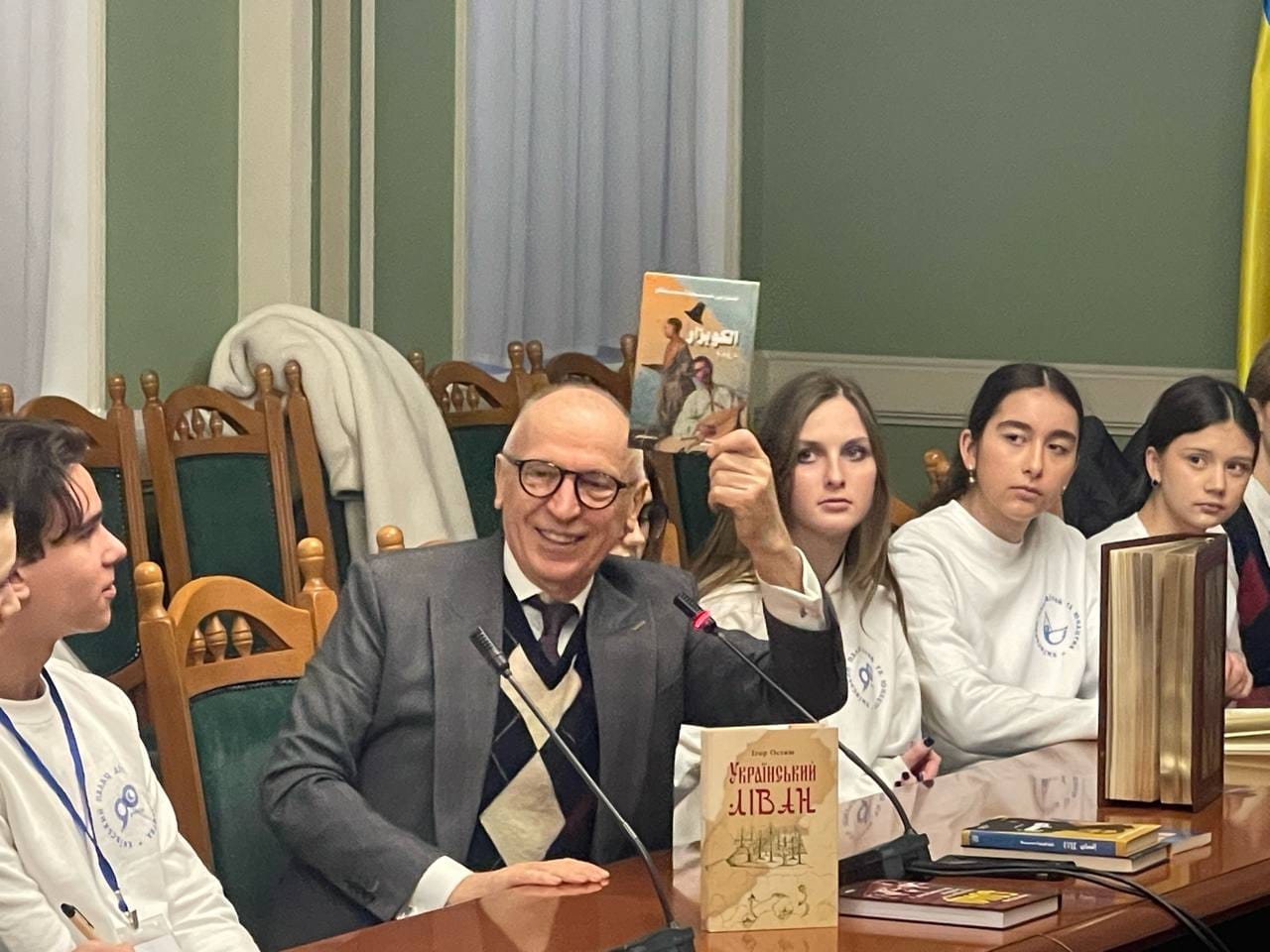
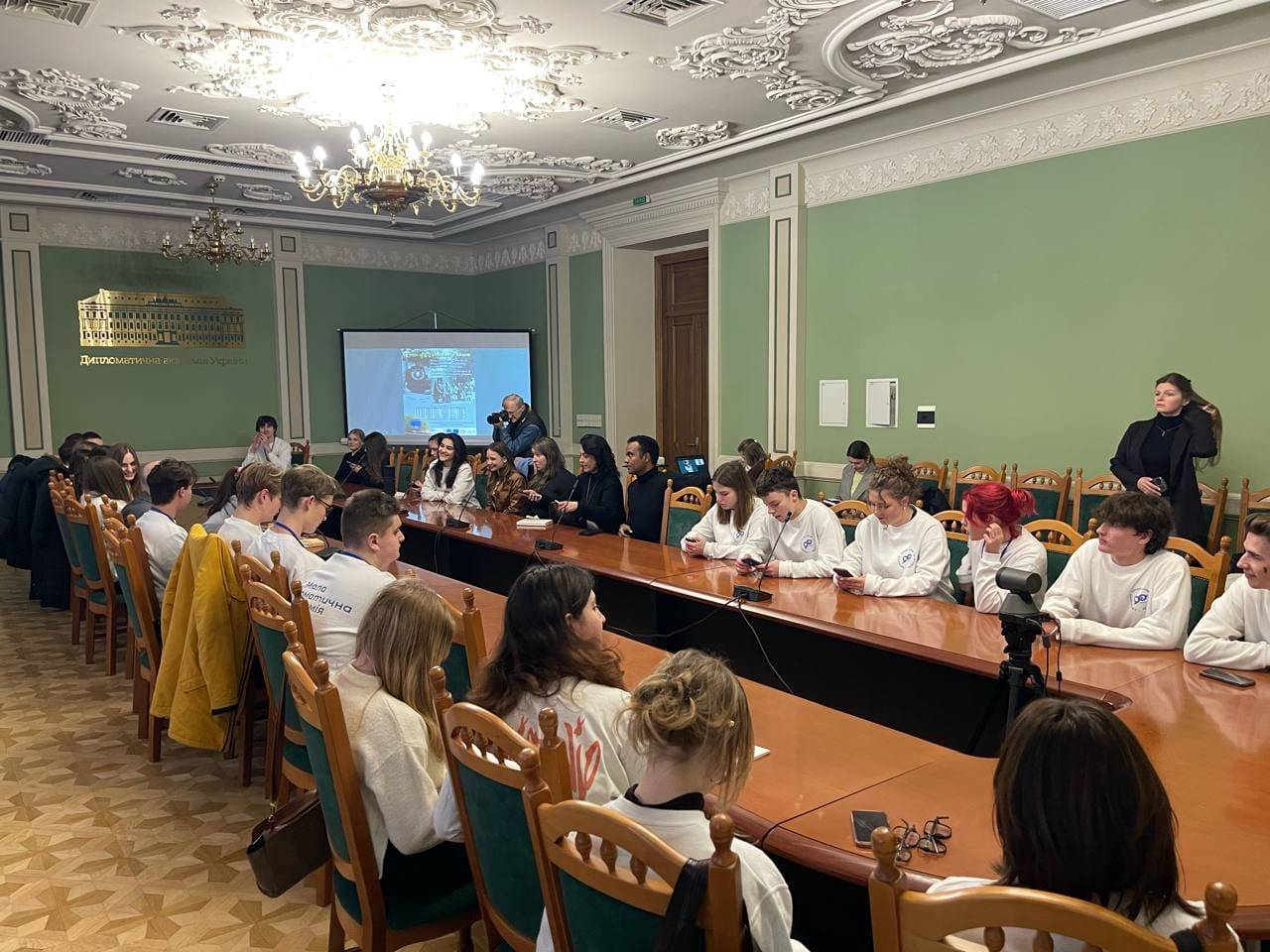
The meeting soon evolved into a dynamic and engaging dialogue. Ihor Ivanovych challenged the students with thought-provoking questions — about the Constitution of Ukraine, the OSCE, the G7, the global Ukrainian diaspora, the meaning of the word “pectoral,” and even the book used for presidential oaths in Ukraine. The students’ level of preparation impressed him: their responses were fast, confident, and well-reasoned.
The students, in turn, asked a profound question of their own: what serves as a stronger guarantee of Ukraine’s statehood — military strength or diplomacy? The answer was direct and clear: the Armed Forces of Ukraine. It is their strength that enables diplomacy to operate and effectively represent the country’s interests on the global stage.
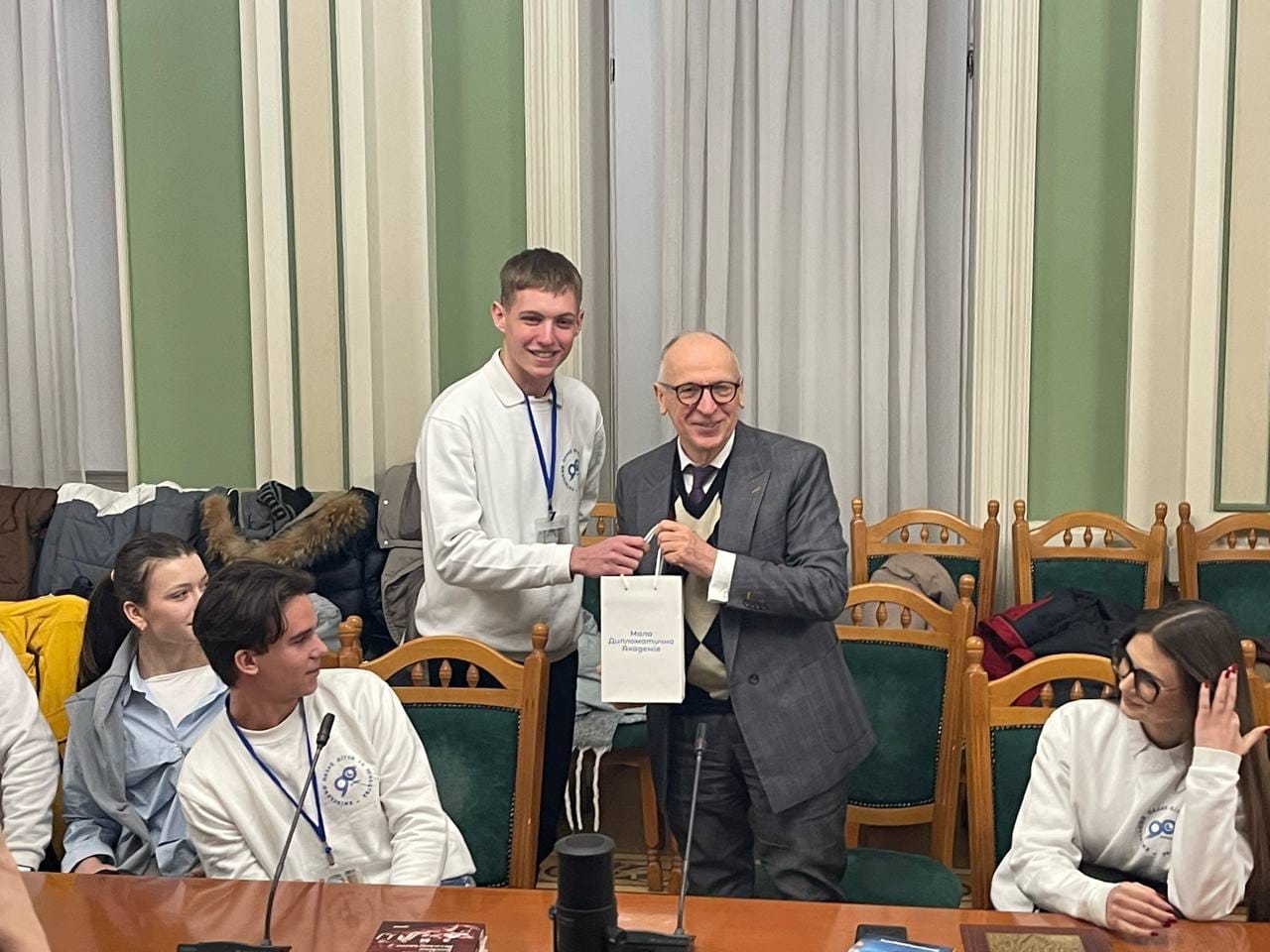
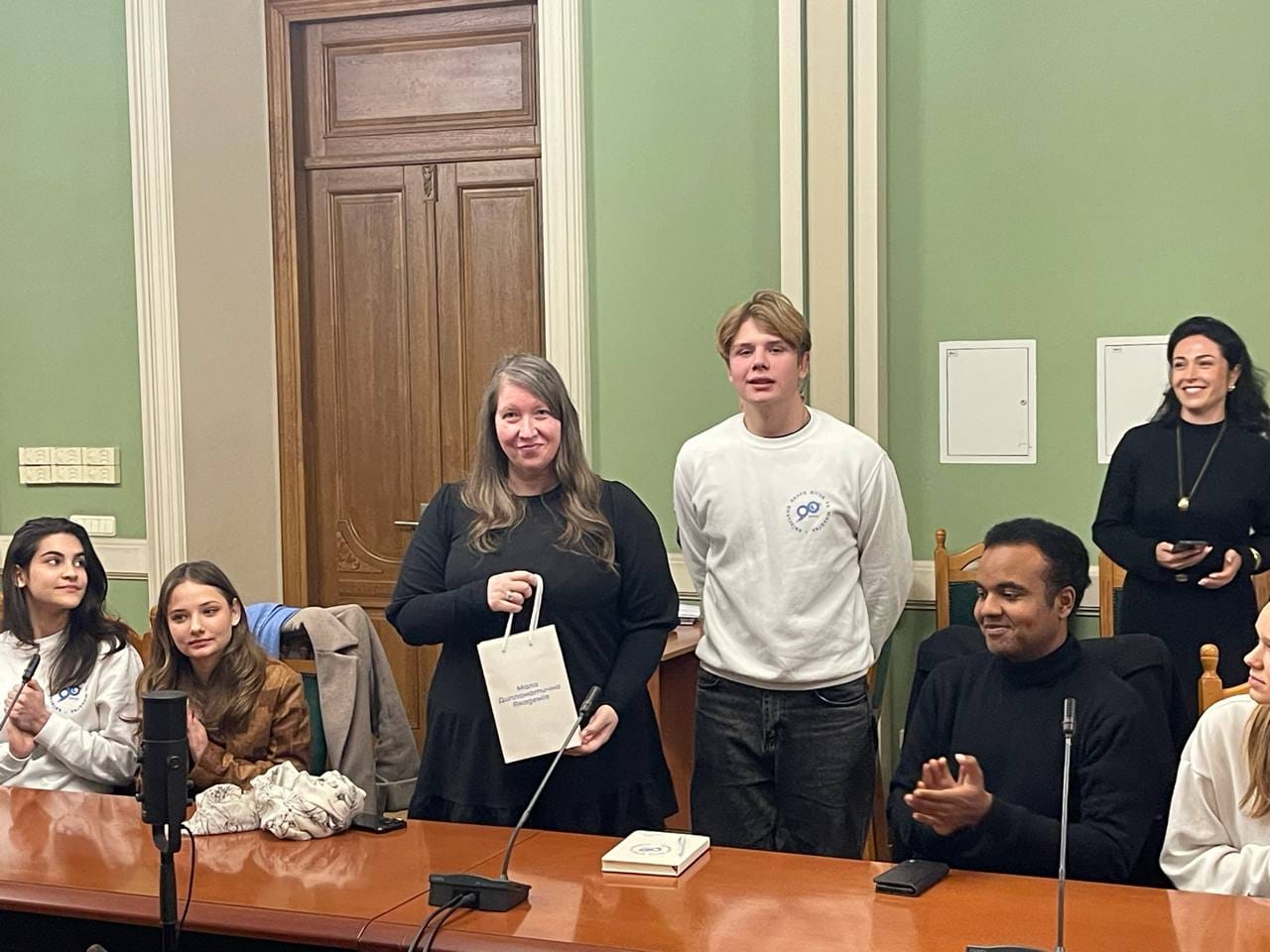
The event was also honored by the presence of Mary K. Leonard, President of the International Women’s Club of Kyiv. Students exchanged symbolic gifts with both the hosts and the distinguished guest, marking the beginning of potential future trilateral cooperation.
For the students, this meeting was more than just an introduction to the new Director — it was a living example of how knowledge, culture, service, and responsibility intertwine in diplomacy. It reinforced the idea that diplomacy is a journey that starts with a dream, grows through education and experience, and is ultimately sustained by dignity and a deep commitment to one’s country.
