Future diplomats explored the UN program on the rights of national minorities
January 29, 2026
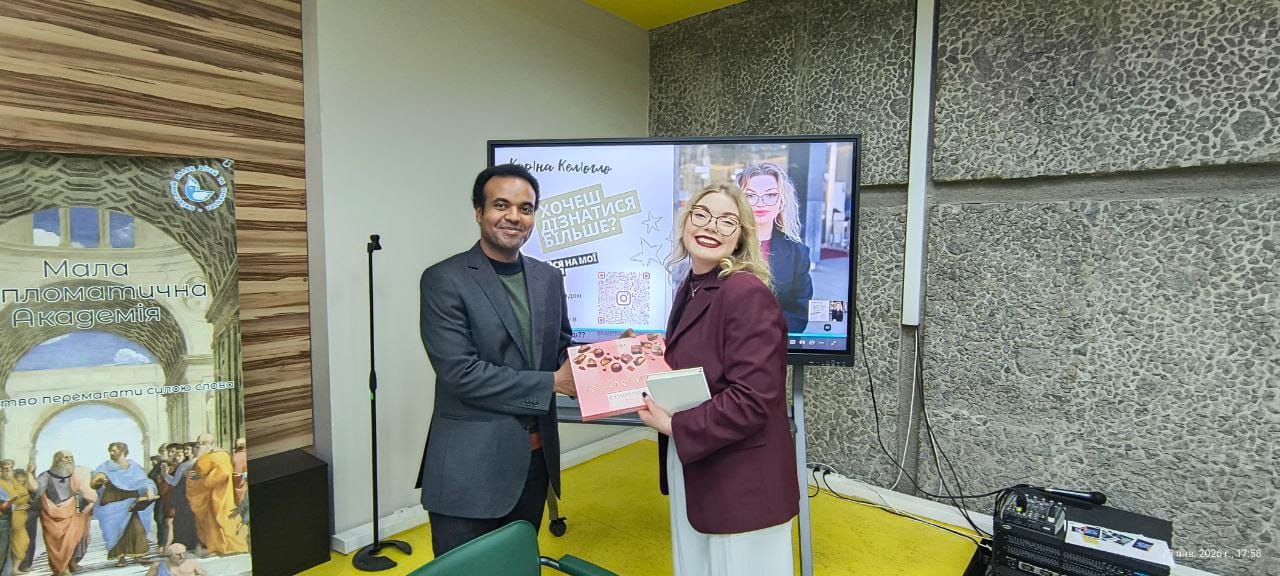
Junior Diplomatic Academy students attended a session dedicated to the UN Program on the Rights of National Minorities. The guest speaker, Karina Kelioglo — a fellow of the program and the first female representative of Ukraine’s Gagauz community in the Youth Council of National Communities — shared her unique experience, combining academic background, public service, and international engagement.
The session was practical from the very beginning. Students gained insight into the selection process for the UN program and learned what evaluators look for in strong applications. Ms. Kelioglo emphasized the importance of clearly defining personal areas of interest, identifying key issues within one’s community, and setting a clear purpose for participation. She also highlighted the need to outline realistic, actionable goals that participants can pursue upon returning home.
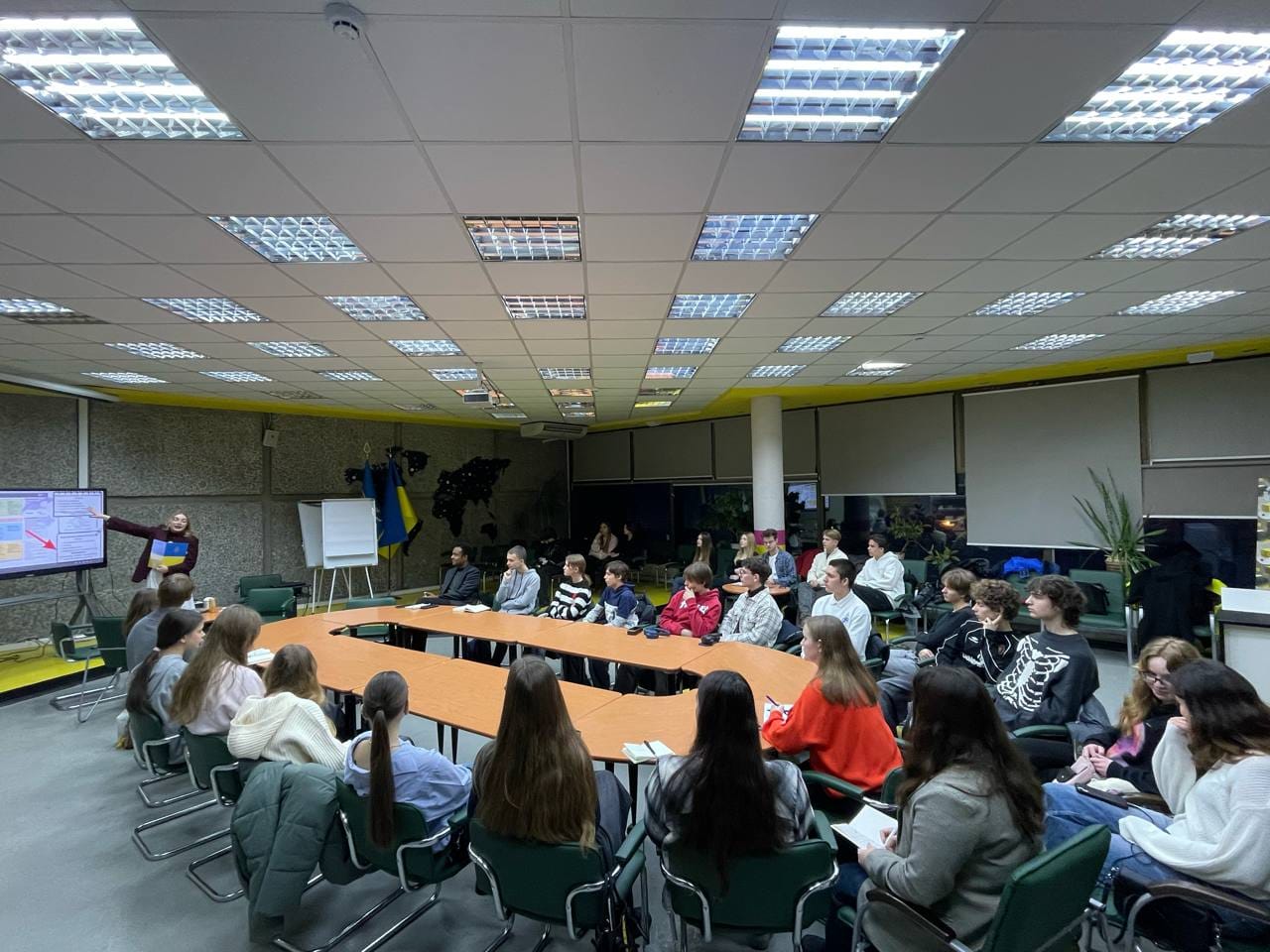
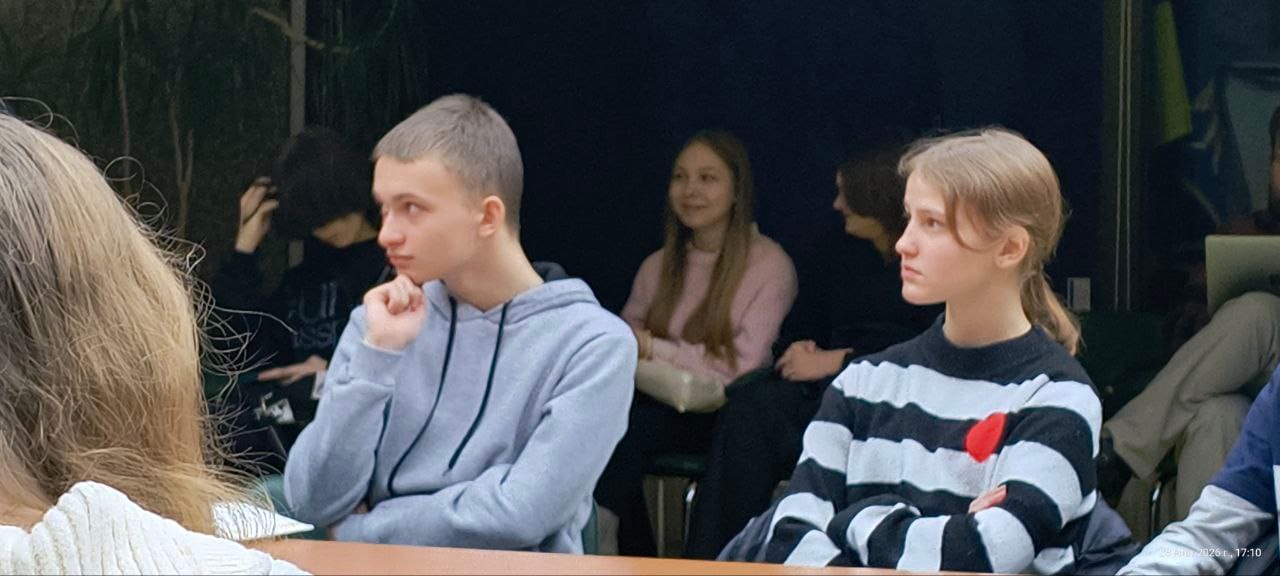
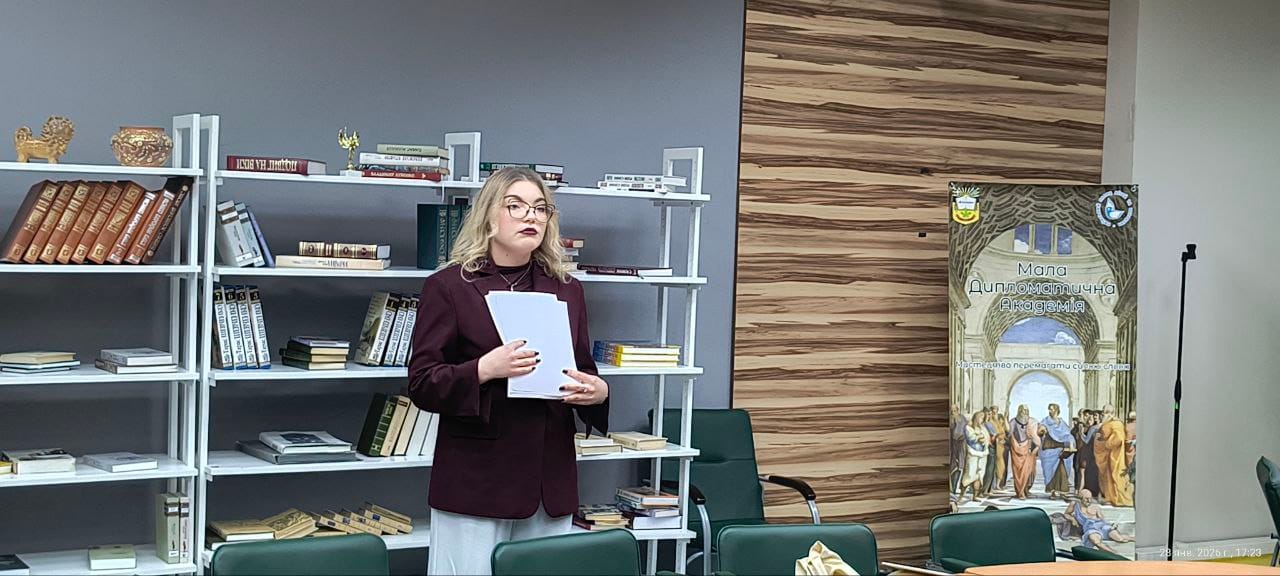
The discussion also highlighted that the program looks beyond general intentions — it expects a clear understanding of the organization a candidate represents, their partnerships, and the tangible results they have already achieved. The speaker stressed the importance of confidently presenting one’s accomplishments: “You need to show your strengths — and not hesitate to support them with numbers.”
Students also learned that UN evaluators closely review candidates’ public presence, including their activity on social media, especially LinkedIn. Strong recommendations from employers, organizations, or initiatives where the candidate has worked or volunteered are equally important. For many, this underscored a key insight: reputation and consistency over time truly matter.
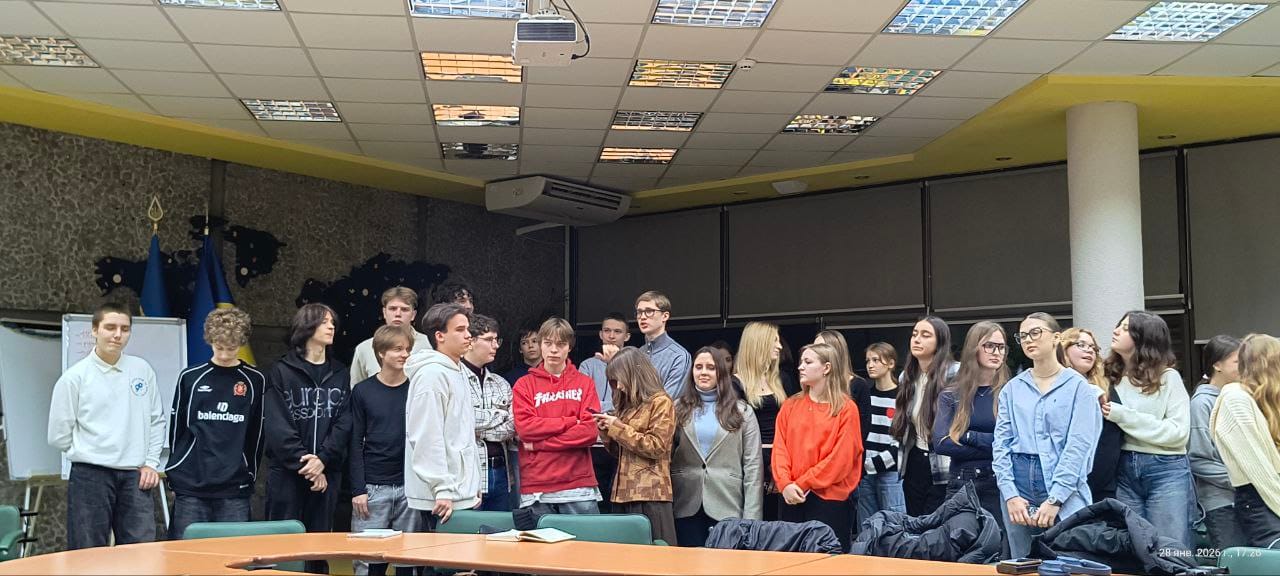
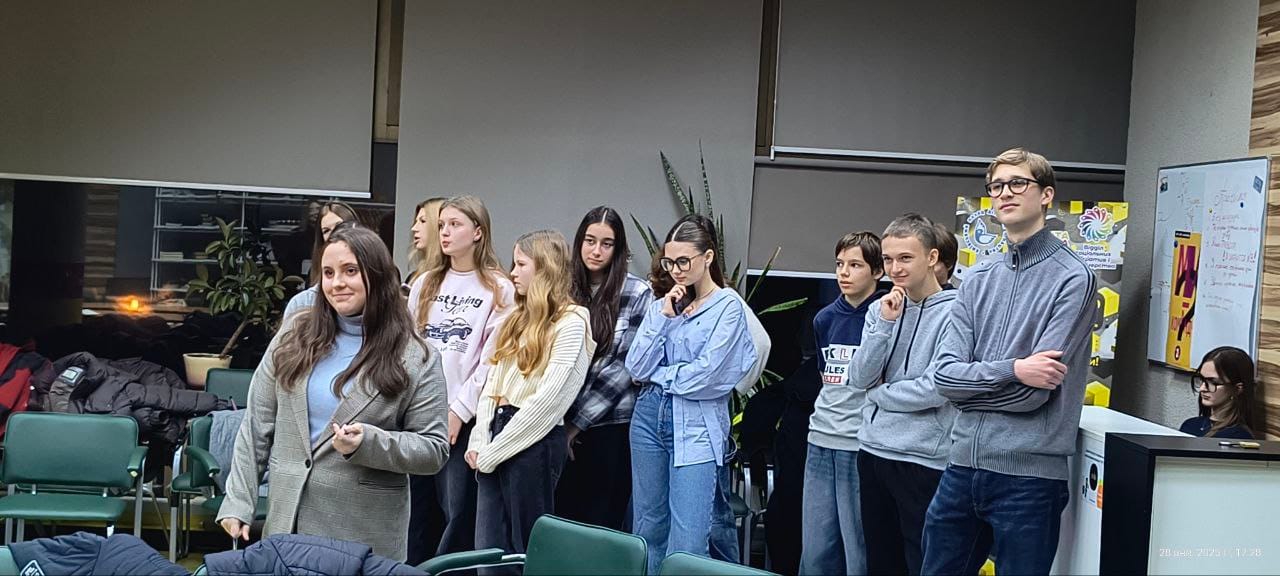
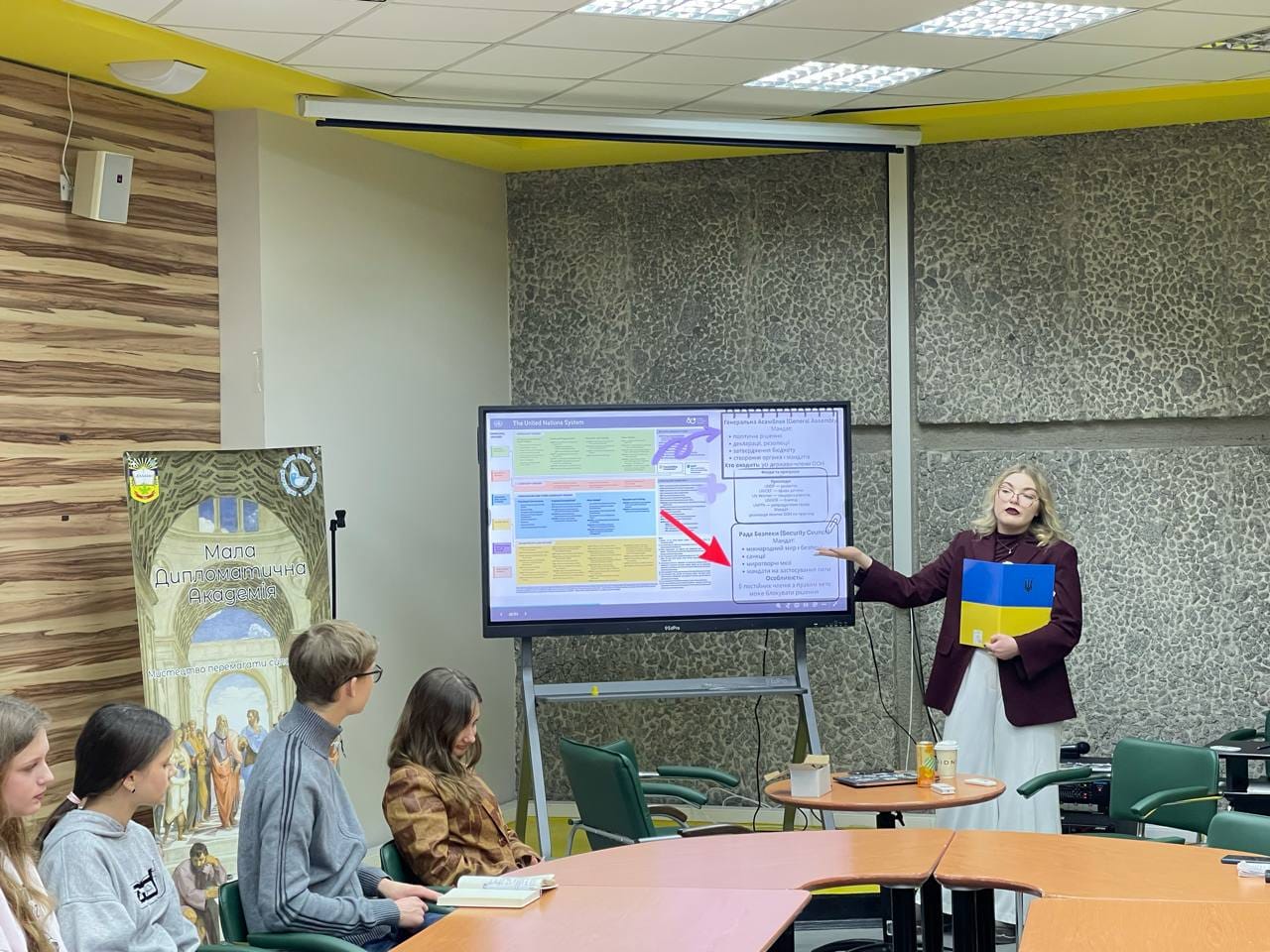
Ms. Karina also spoke about her own experience in the program, including her time in Italy. Students gained insight not only into the cultural context, but also into how UN programs operate from the inside — how participants collaborate with experts, and why leading European research institutions are open to engaging with active young people from Ukraine.
The second part of the session focused on understanding the structure of the United Nations. Together with the speaker, students explored the roles of the General Assembly, the Security Council, and the Office of the UN High Commissioner for Human Rights. They learned how the Human Rights Office functions, where its offices are located in Ukraine, how information on human rights violations is collected, and how analytical reports are developed. The discussion also covered independent UN experts working under special procedures — often on a voluntary basis, driven by professional integrity and commitment to human rights values.
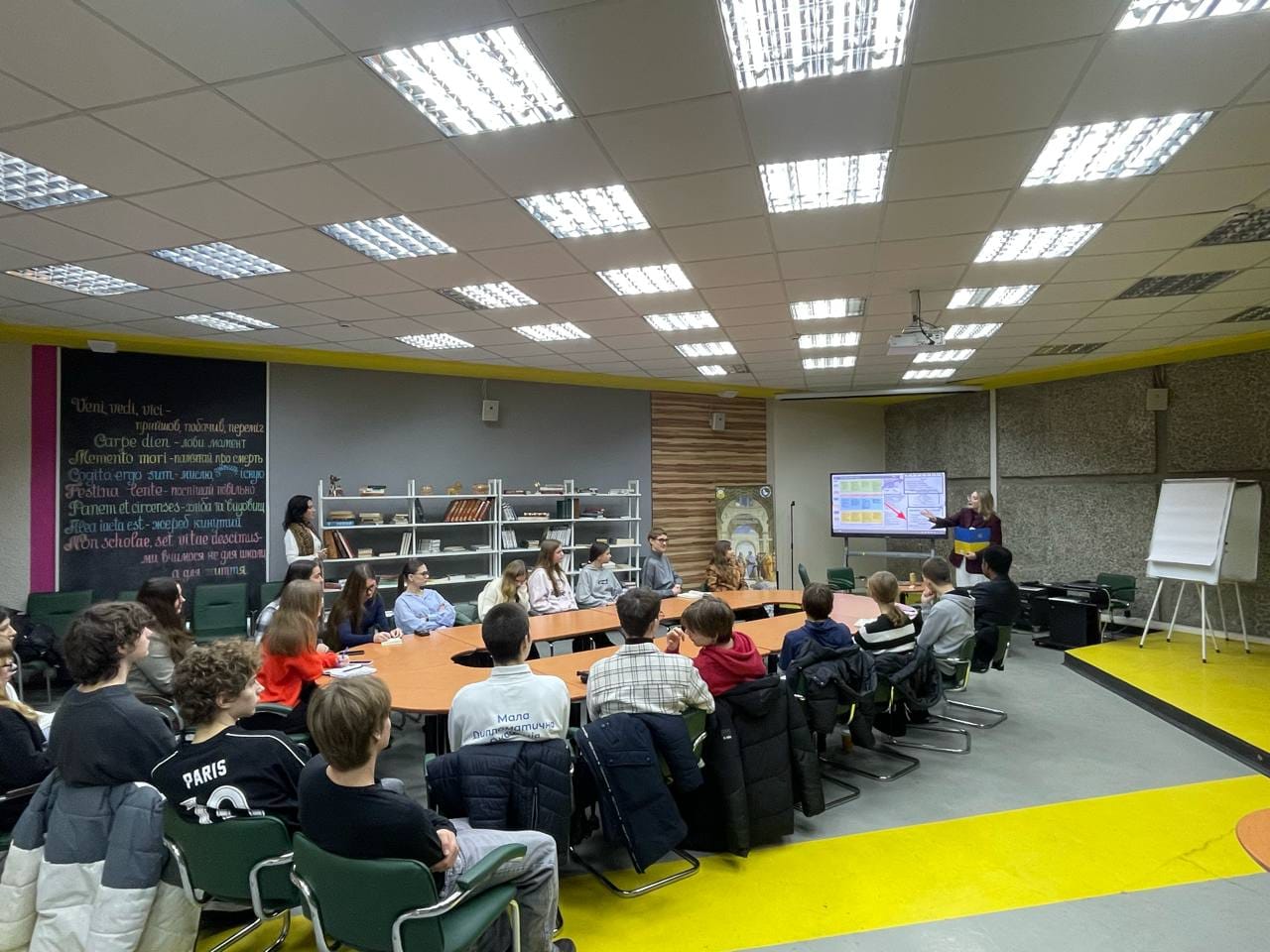
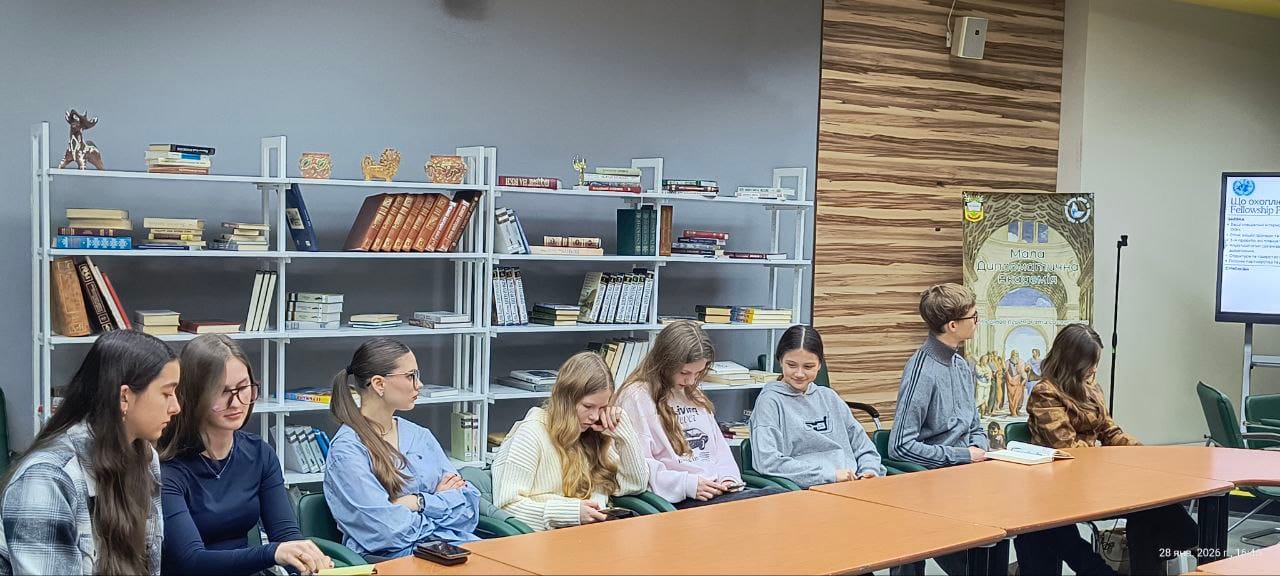
To conclude the session, students explored the nine core UN human rights conventions, gaining a broader understanding of the global framework of rights and freedoms and how these documents are applied in practice.
Rita Serhiivna, head of the Kyiv Palace of Children and Youth project office, noted: “For future diplomats, this meeting was not only about understanding how the UN works, but also about seeing how personal identity, life path, and civic engagement can align with an international career. It demonstrated that participation in global initiatives begins with a clear sense of self, awareness of one’s community, and a commitment to creating meaningful change at home.”
