Junior Diplomatic Academy future diplomats examined the nature of ethics and moral dilemmas
February 5, 2026
Junior Diplomatic Academy students attended a lecture on ethics — one of the core pillars of diplomacy — delivered by Iryna Liashenko, PhD in Philosophy and Associate Professor at Taras Shevchenko National University of Kyiv.
The session opened with a fundamental question: what is ethics, and how has it evolved over time? Students explored ethics as a field of philosophy that examines morality, human behavior, and moral evaluation, touching both on personal decision-making and professional responsibility. The discussion also clarified the distinction between ethics and morality. A key focus was on moral dilemmas — situations where individuals must choose between conflicting options, each carrying both justification and risk. This tension between competing moral principles is what defines a dilemma. In diplomacy, such situations are not rare — they are part of the profession itself.
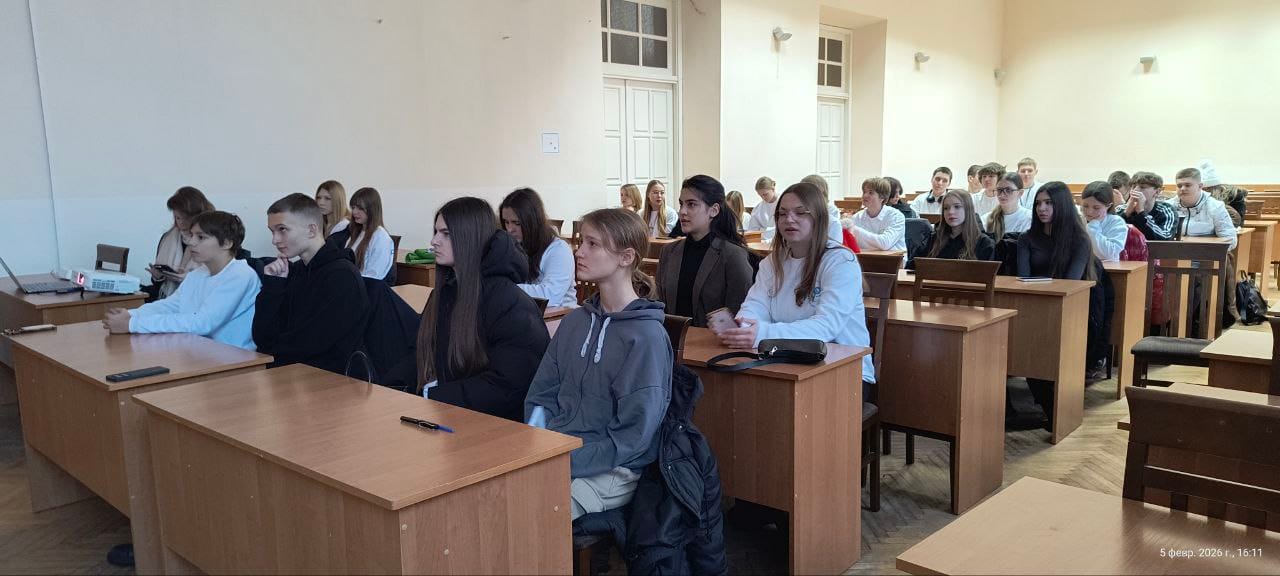
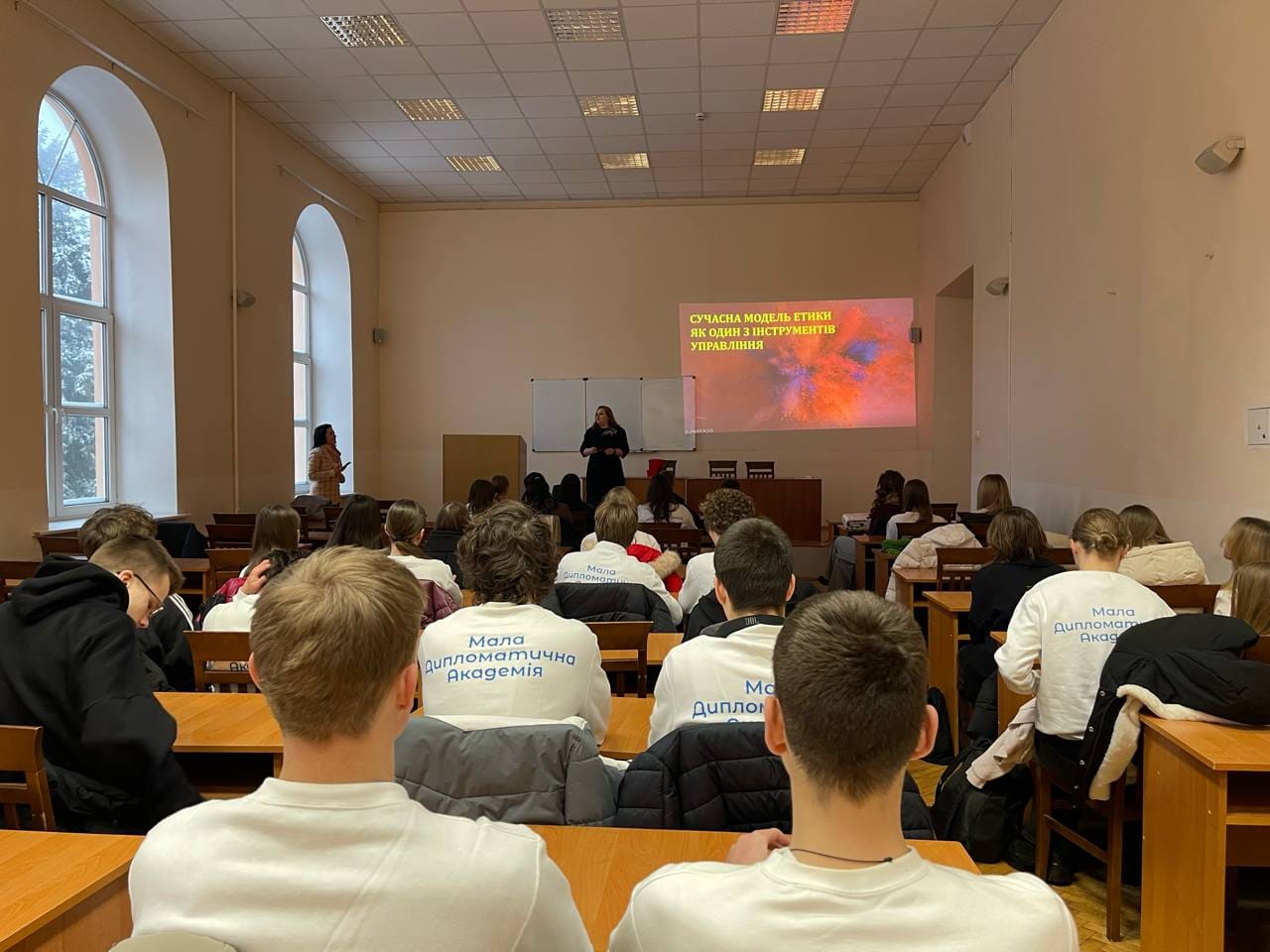
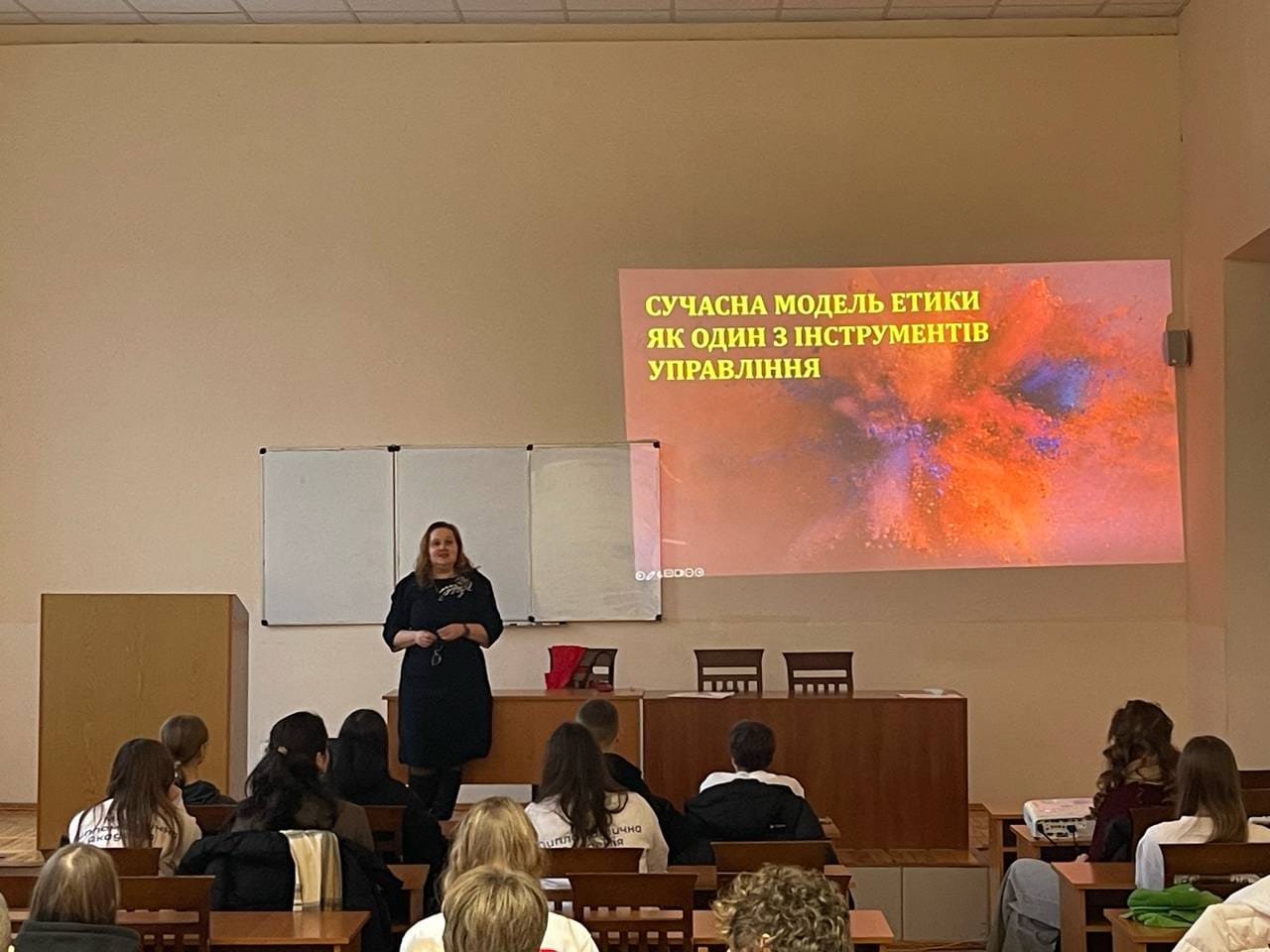
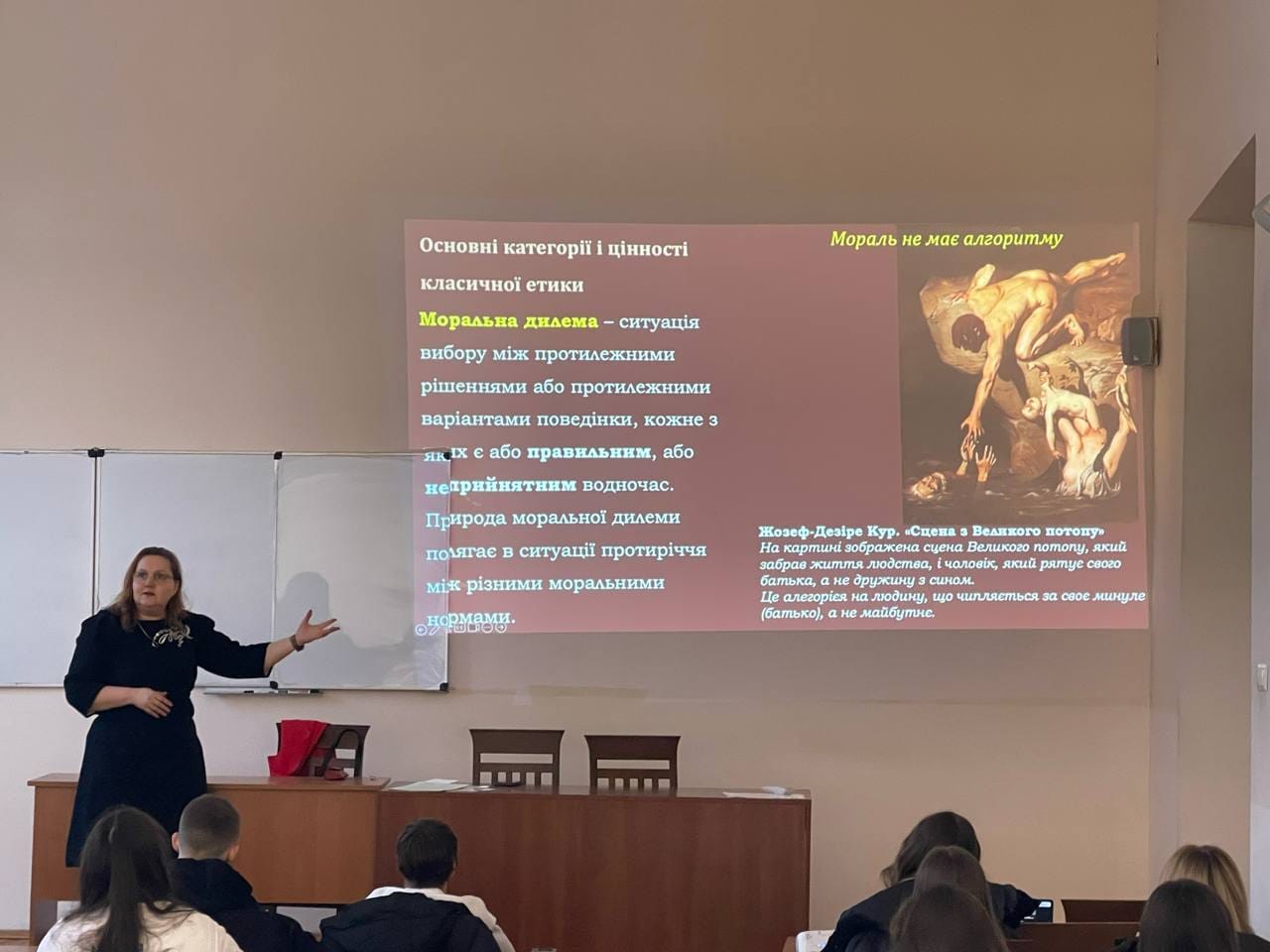
Students discovered that classical ethics does not always translate easily into real-world situations, which led to the development of applied ethics — a field focused on practical cases and the creation of accountability frameworks for specific professions. Its defining features are precedent and prevention: it not only addresses existing issues but also works to prevent them by establishing guidelines, codes, and standards. Applied ethics often deals with situations that fall outside current legal regulation.
The session also explored the difference between professional and corporate ethics, along with the role of ethics committees and the tools they use to assess complex cases. Students examined the distinction between legal and ethical consequences, the principle of inevitable accountability, and the paradox of tolerance — the idea that unlimited tolerance toward intolerance can ultimately destroy the very foundation of tolerance itself.

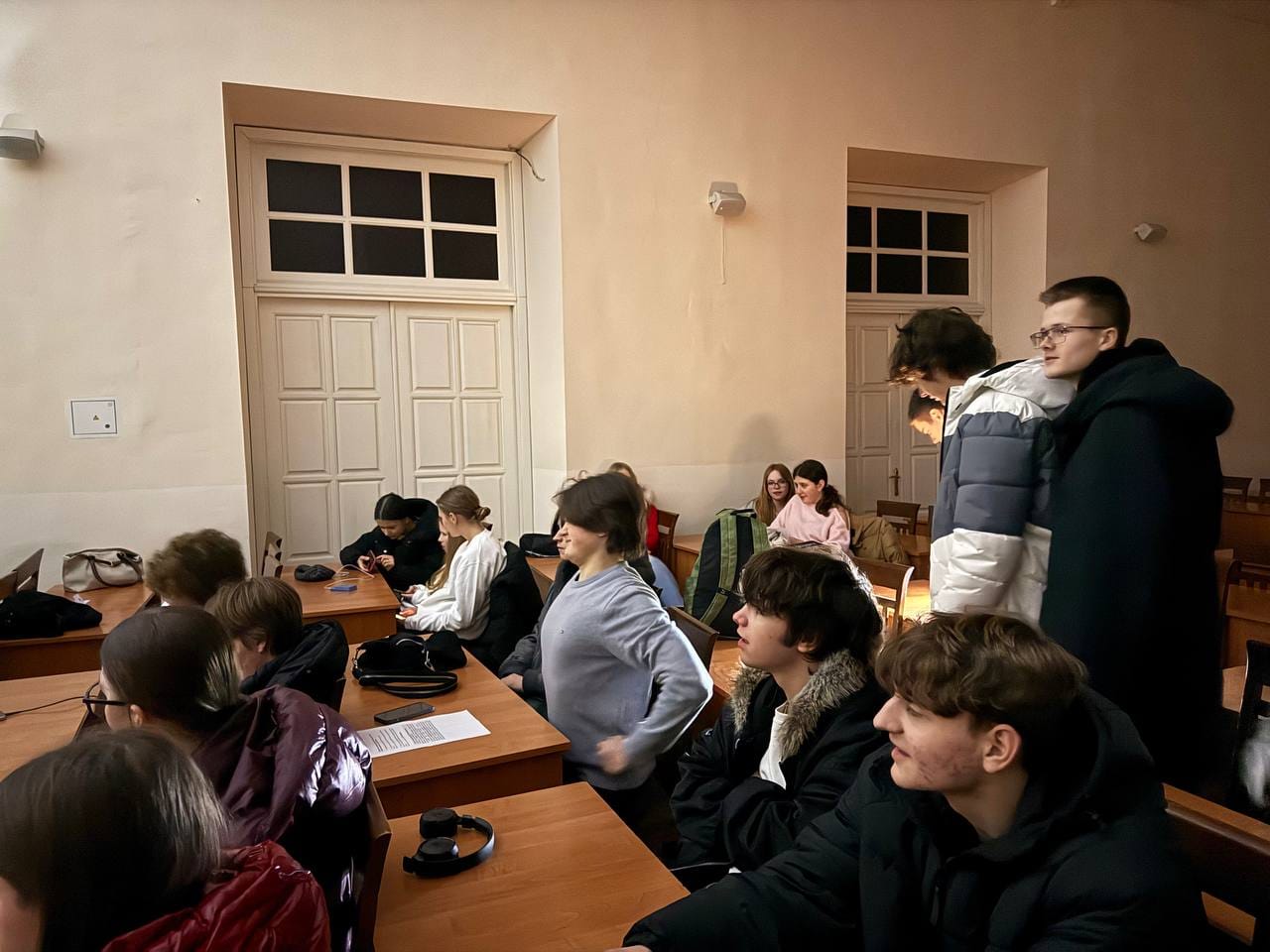
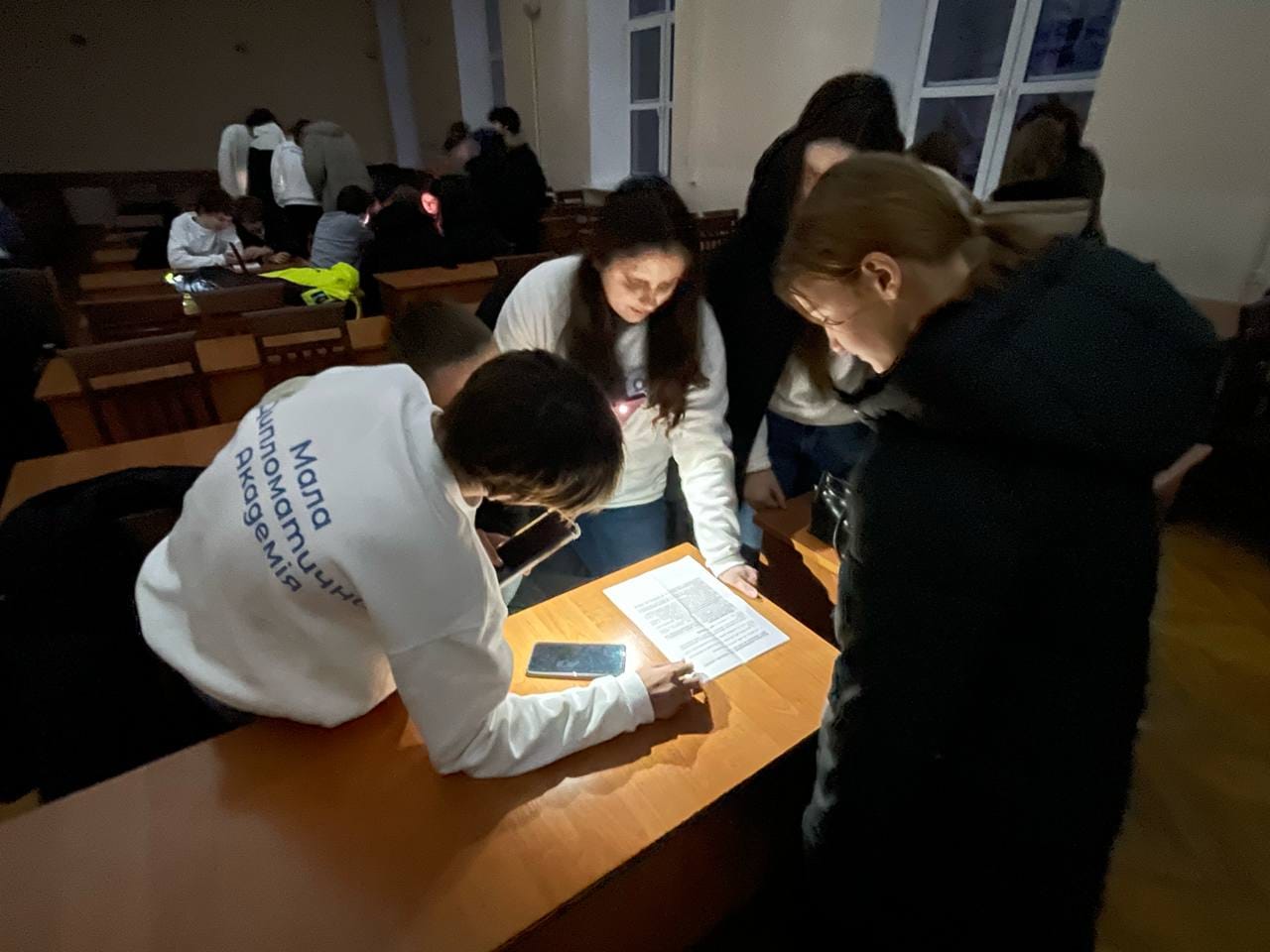
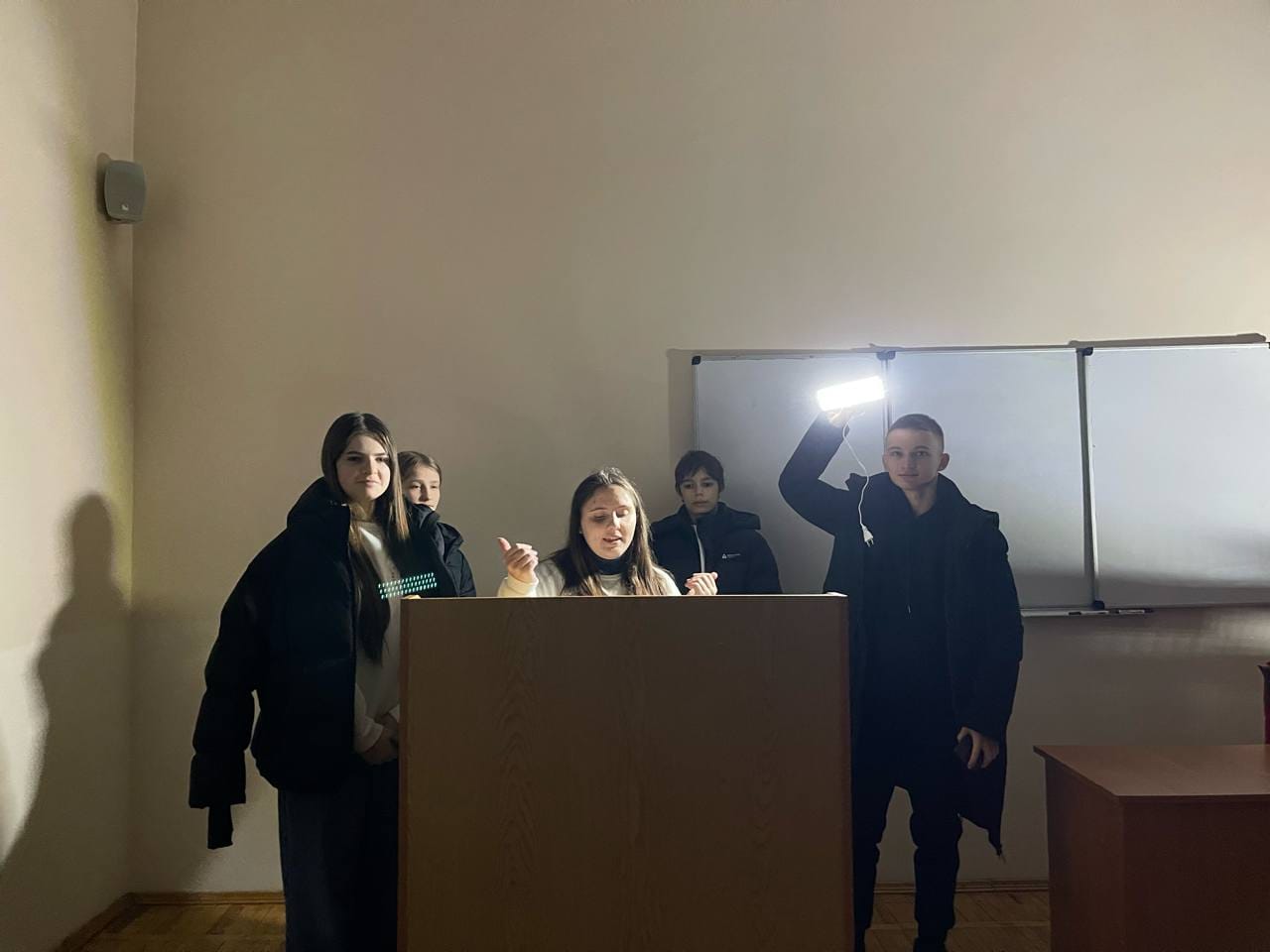
The lecture went beyond theory, offering students practical ethical case studies. Divided into six groups, they worked through real scenarios using the framework of “hypothesis – disposition – sanction,” learning to uncover underlying motives and anticipate the consequences of their decisions.
A key takeaway was the importance of shared ethical systems. Without them, individuals rely solely on subjective judgment. For states, professional communities, and international organizations, common ethical principles are essential to ensure consistency and avoid chaos in decision-making.
Rita Serhiivna, head of the Kyiv Palace of Children and Youth project office, noted: “For our students, this session was a powerful reminder that diplomacy is not only about international law or politics, but also about moral responsibility. Future diplomats constantly face situations where decisions are shaped not just by legal norms, but by ethical judgment. The students received university-level knowledge, and experiences like this help them develop the ability to think critically, act responsibly, and approach challenges strategically — exactly what the diplomatic profession demands.”
