Junior Diplomatic Academy students enhanced their copywriting and critical thinking skills
February 11, 2026
The session opened with remarks from Rita Kosyak, Head of the Kyiv Palace of Children and Youth project office, who addressed several organizational issues and reminded students that, especially in difficult times, their safety, well-being, and education remain top priorities.
Early in the session, Junior Diplomatic Academy students themselves highlighted an important point: even in the era of artificial intelligence, strong writing skills still matter. While technology can generate text, it is people who define its quality, meaning, and accountability. They also stressed the importance of critical thinking — not just producing content, but being able to analyze, assess, and refine it.
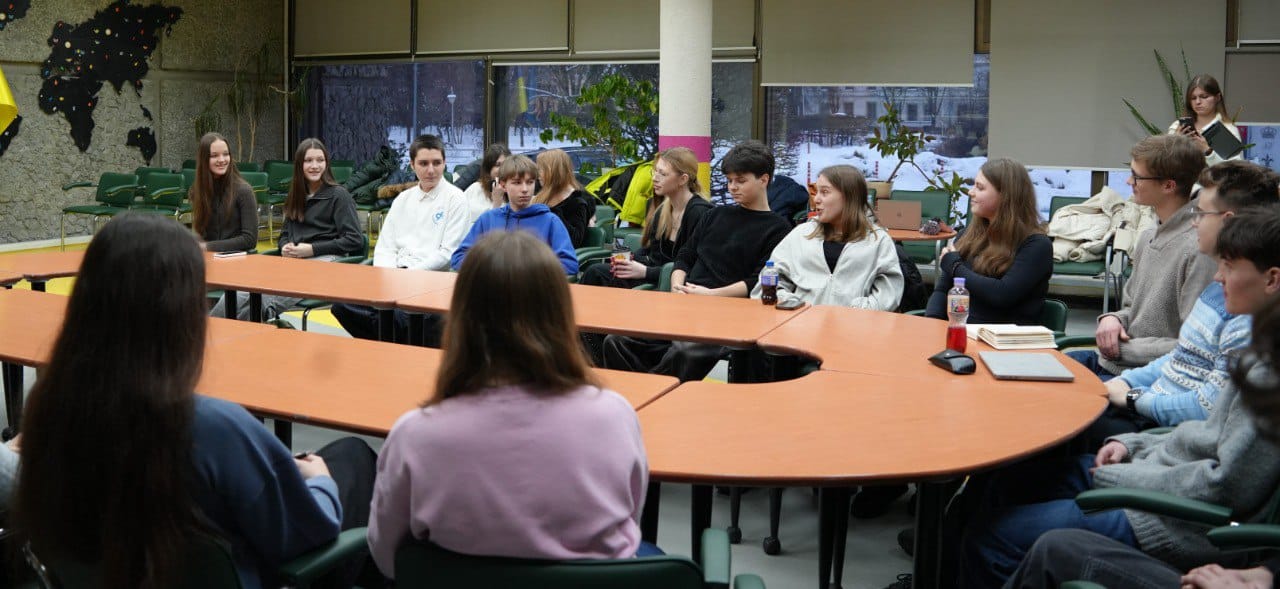
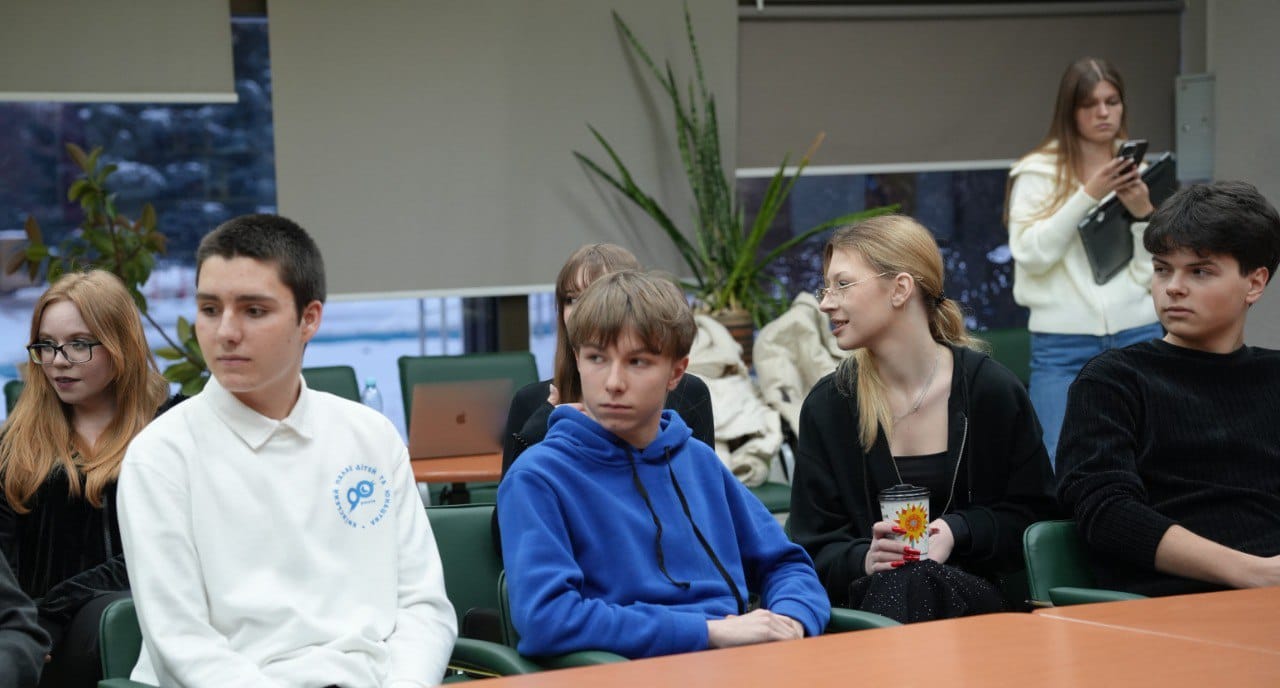
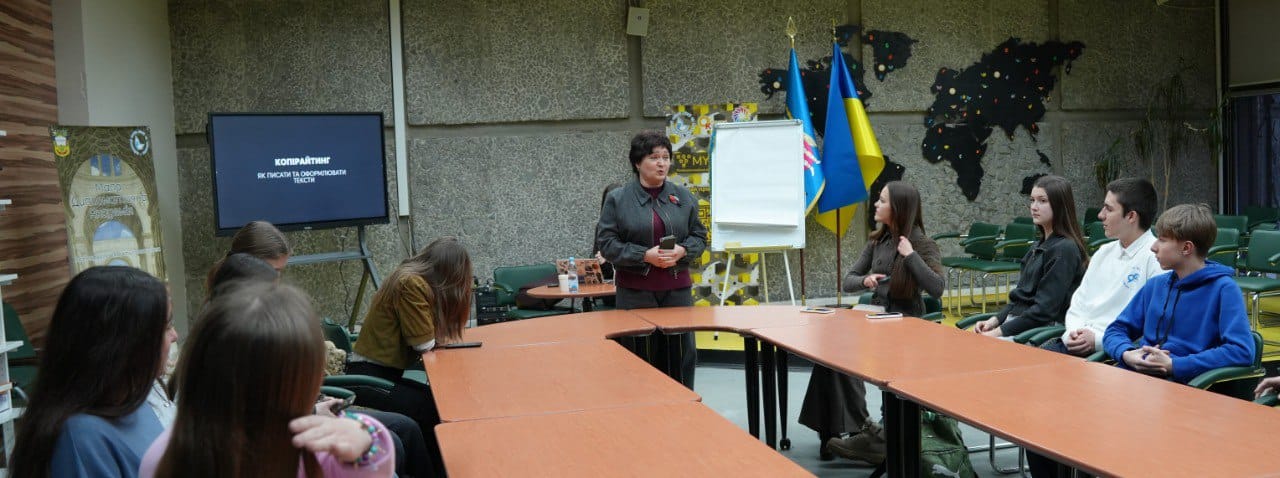
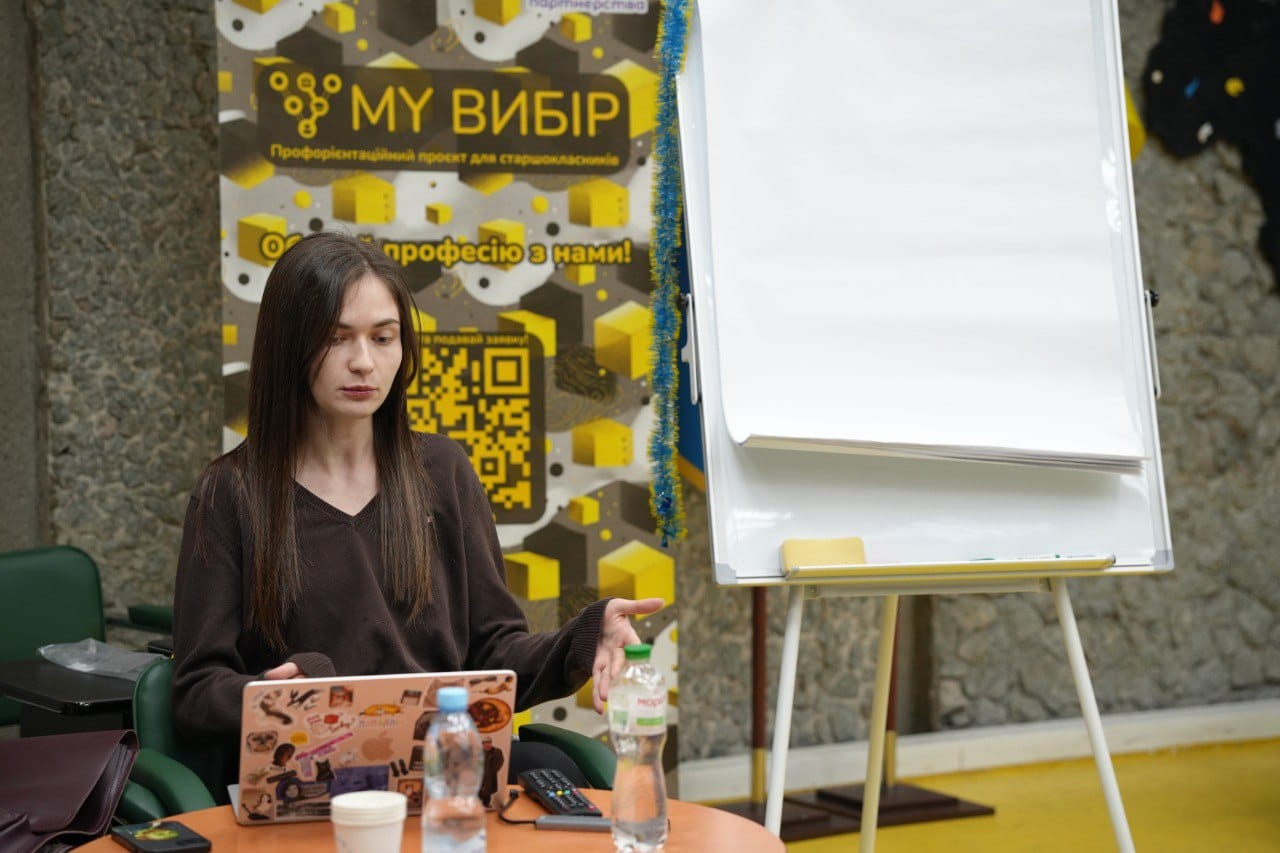

The session was led by Diana Zubar, Director of Partner Content at Vector, and focused on building a structured approach to working with words.
Students were divided into groups and set their own rules for collaboration during the session. This method fostered a sense of ownership, responsibility, and trust, creating an environment where everyone could freely share their thoughts and ideas.
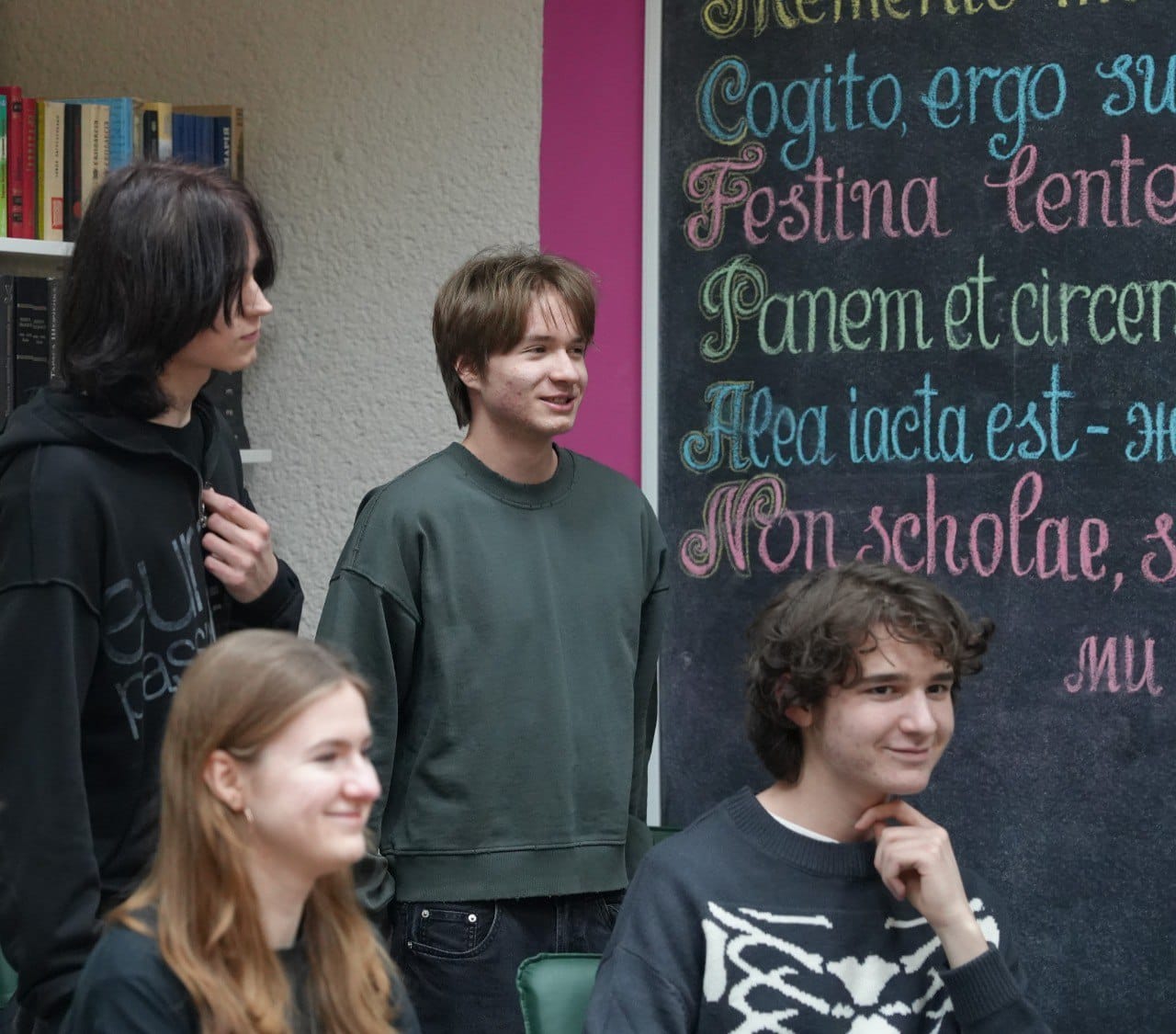
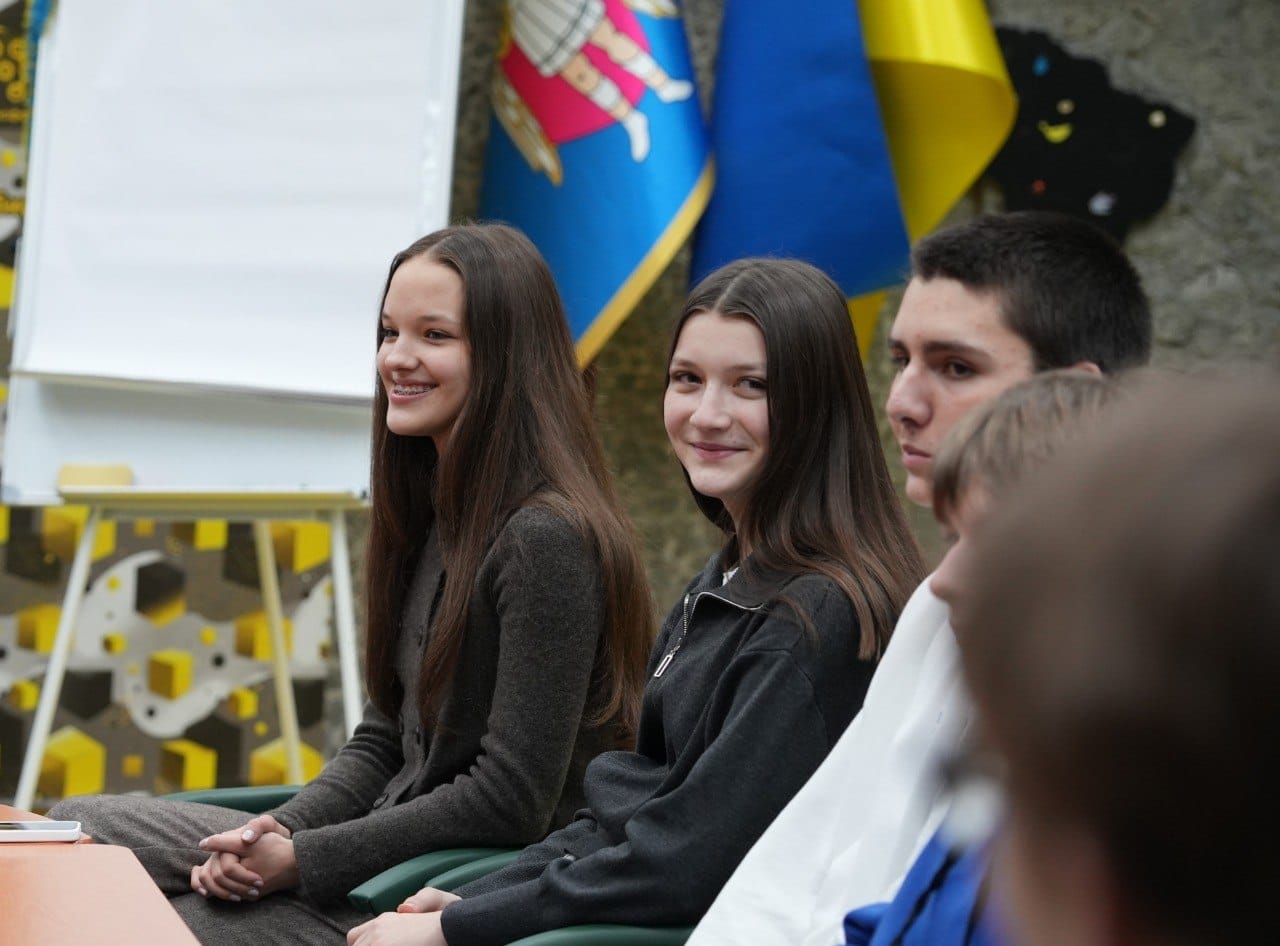
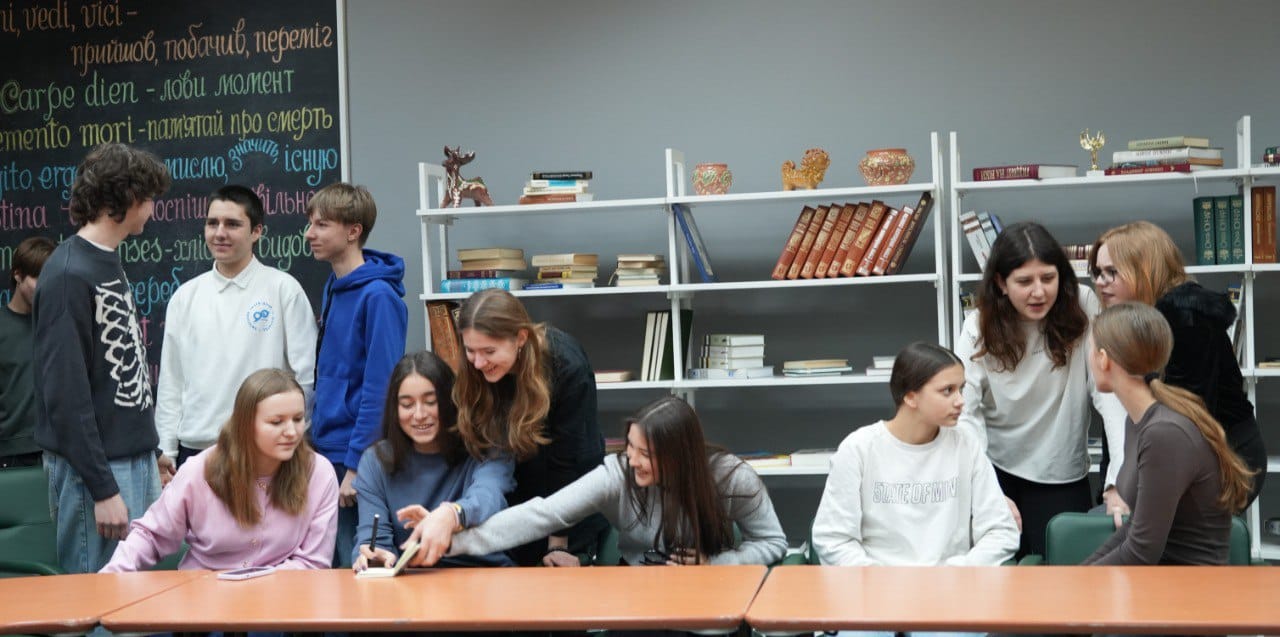
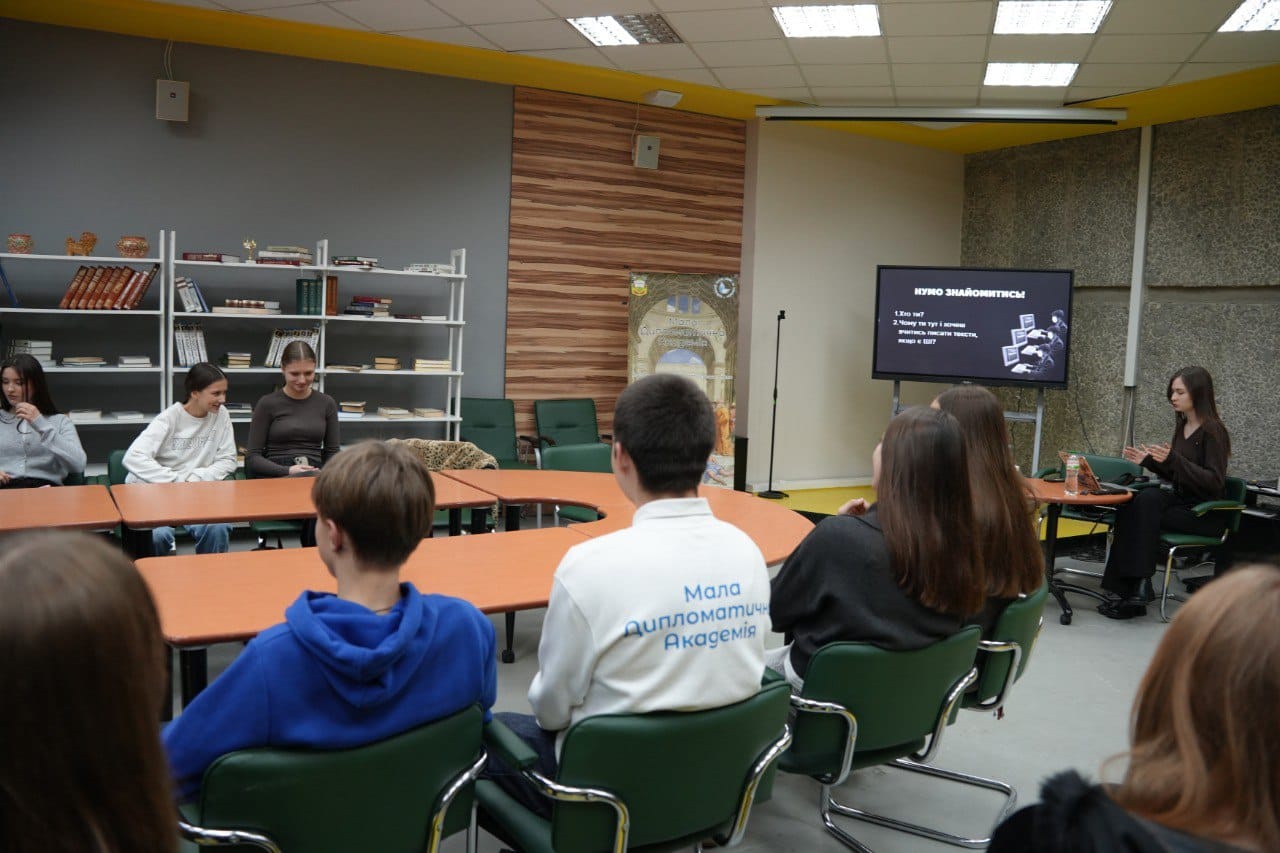
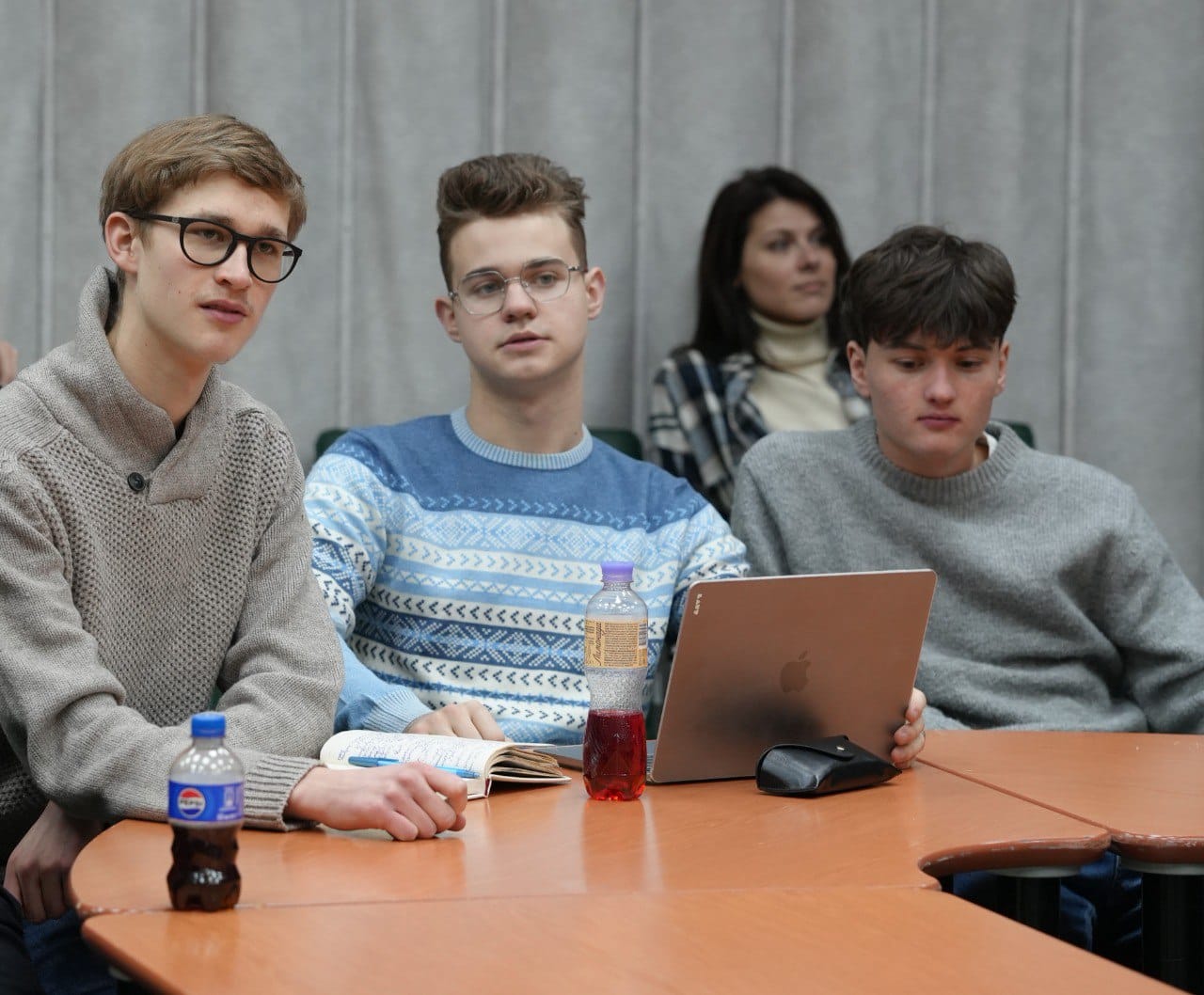
During the session, students practiced analyzing texts by asking key questions: what the message is, who the audience is, what the goal is, and what impact it creates. Working in groups, they completed hands-on copywriting tasks — reviewing their own content, editing materials provided by the speaker, and improving clarity, structure, and persuasiveness.
As Rita Kosyak noted: “Strong writing skills help future diplomats not only express ideas clearly on paper, but also communicate positions confidently in negotiations, public speaking, and international dialogue. Diplomacy begins with words — and with critical thinking.”
The event was supported by the Public Broadcasting Children’s Academy.
