Junior Diplomatic Academy students visited the opening of Oleksandr Melnyk’s exhibition “I See Your Deeds, O Human!” at the Diplomatic Academy of Ukraine
February 23, 2026
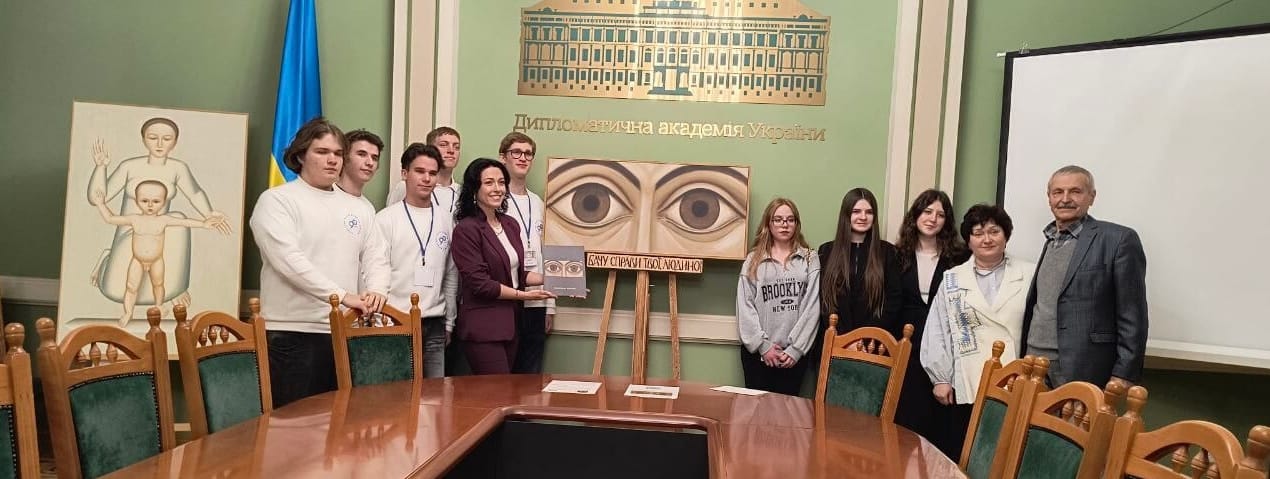
Students of the Junior Diplomatic Academy were invited to the opening of Oleksandr Melnyk’s exhibition “I See Your Deeds, O Human!” at the Hennadii Udovenko Diplomatic Academy of Ukraine, marking the fourth anniversary of the full-scale invasion.
The event gathered figures from Ukraine’s cultural sphere and diplomatic community. For the students, it became a chance to step into a space shaped by cultural, intellectual, and diplomatic leadership — and to feel part of an important dialogue about values, responsibility, and the future.
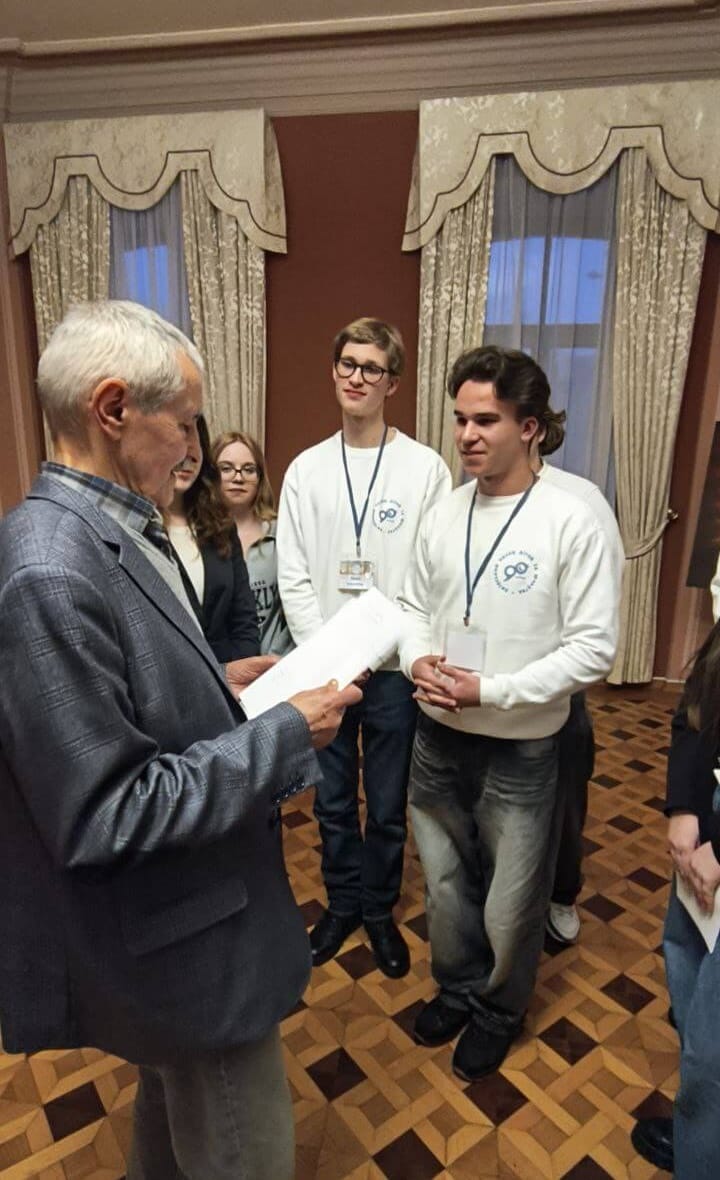
Ihor Ostash, Director of the Diplomatic Academy of Ukraine, noted:
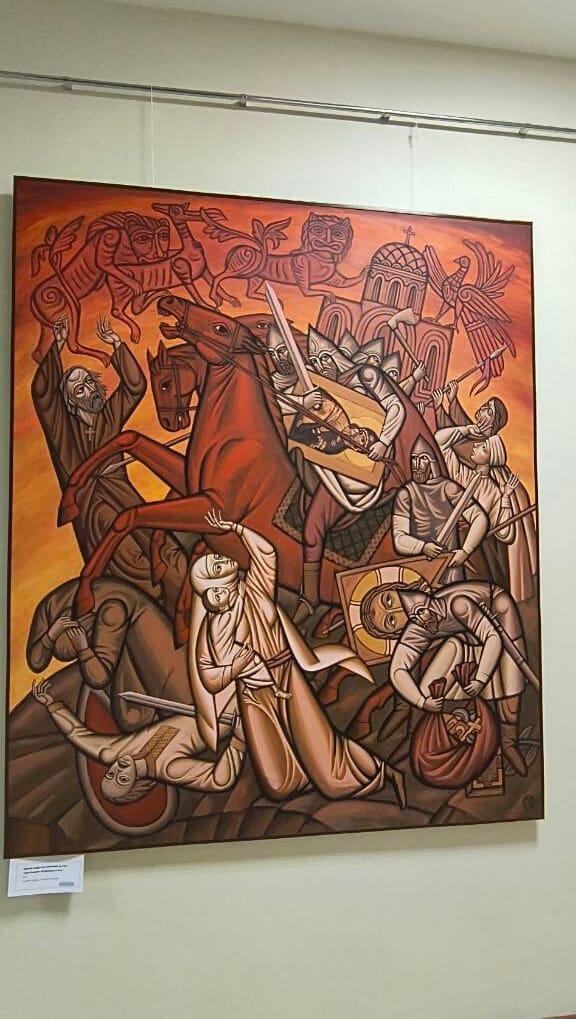
“Oleksandr Melnyk embodies nobility in both thought and action — in service of art, culture, and Ukraine… He has taken on the mission of reviving the historical genre and restoring historical painting, with a number of these works featured in the exhibition. His work represents a sublimation of profound moral and ethical meaning.”
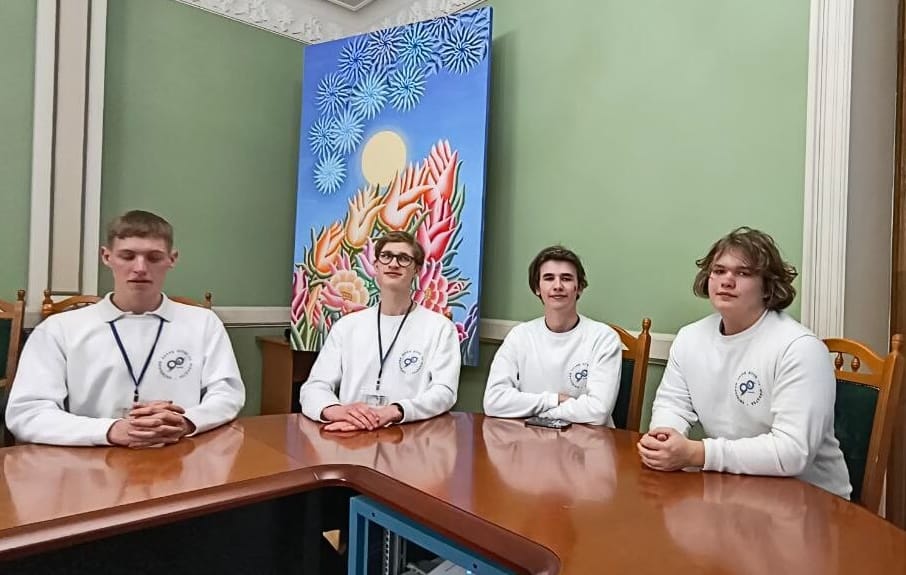
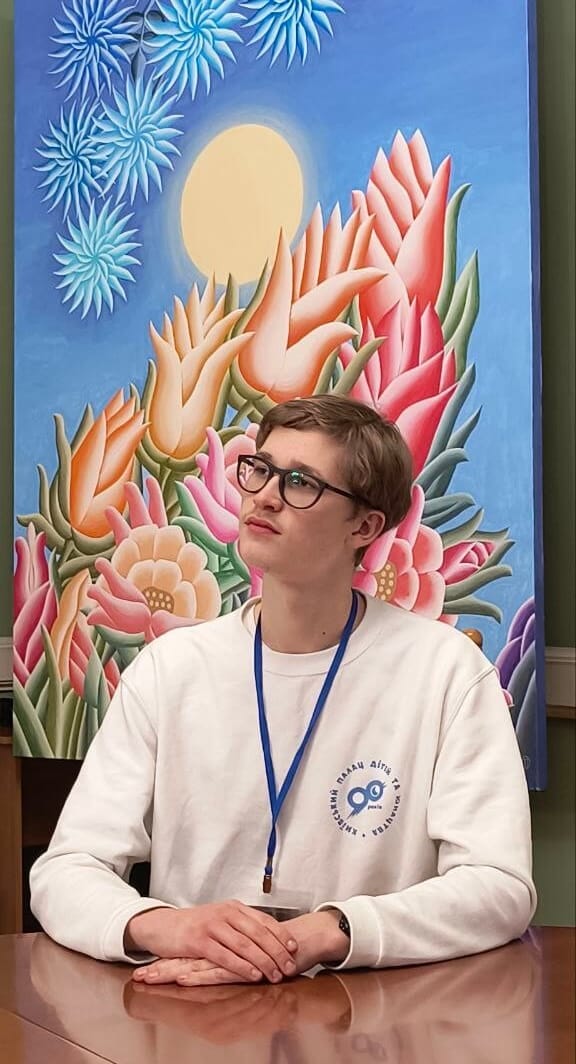
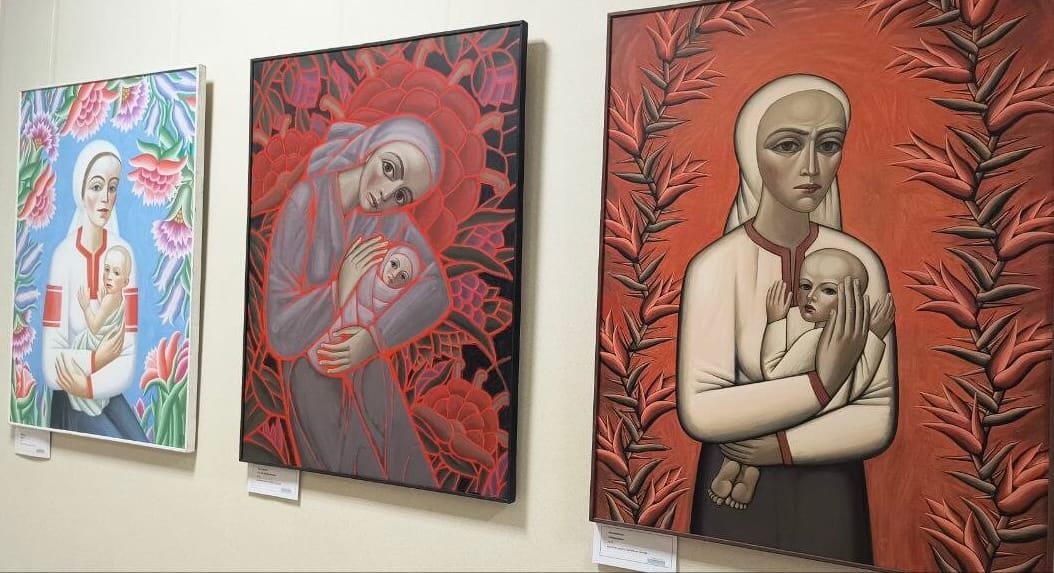
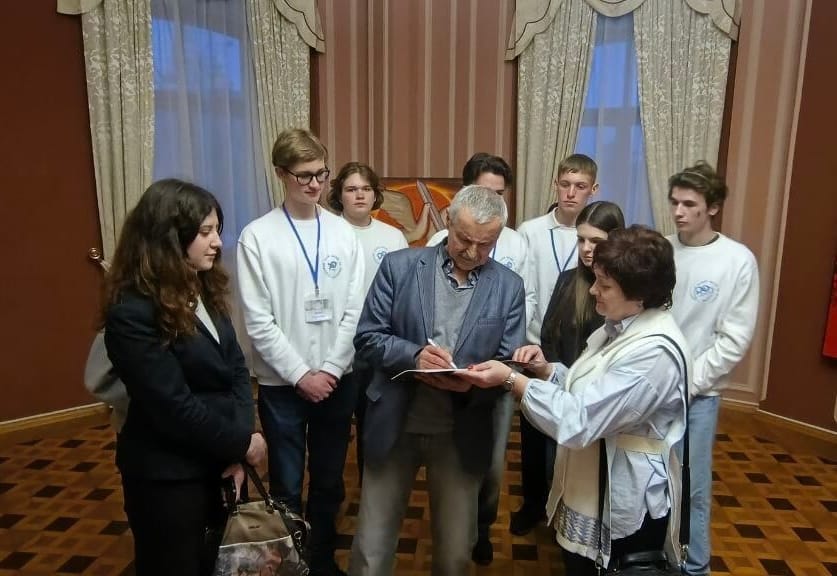
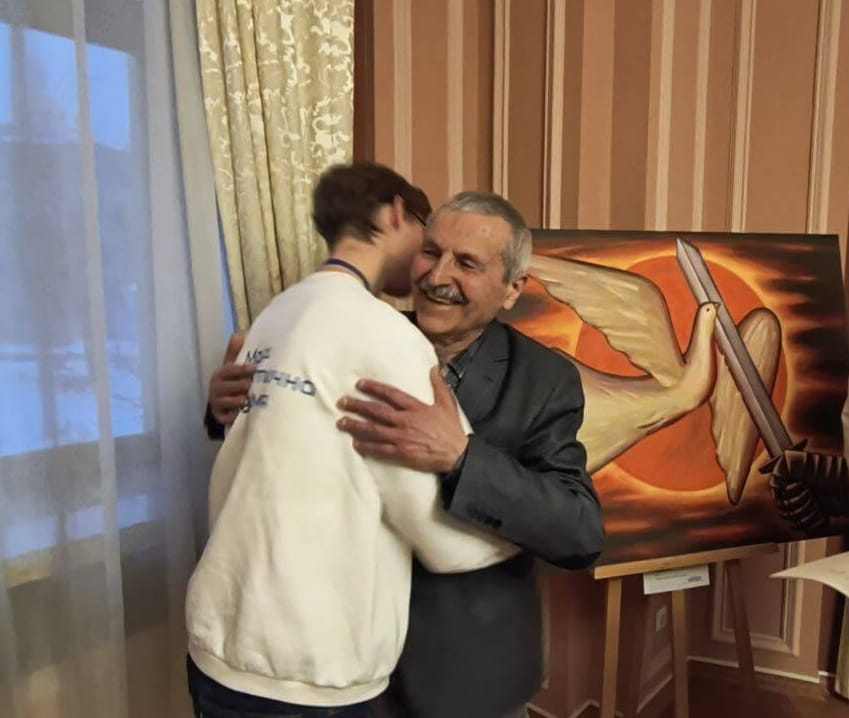
A especially powerful moment for the students was the artist’s personal message. Addressing the Junior Diplomatic Academy participants, Oleksandr Melnyk said:
“…These young people… they are our hope. Our generation has done what it could, and now all eyes are on you… I’m grateful that you are here.”
His words carried more than meaning — they felt like a symbolic handover of responsibility to the next generation.
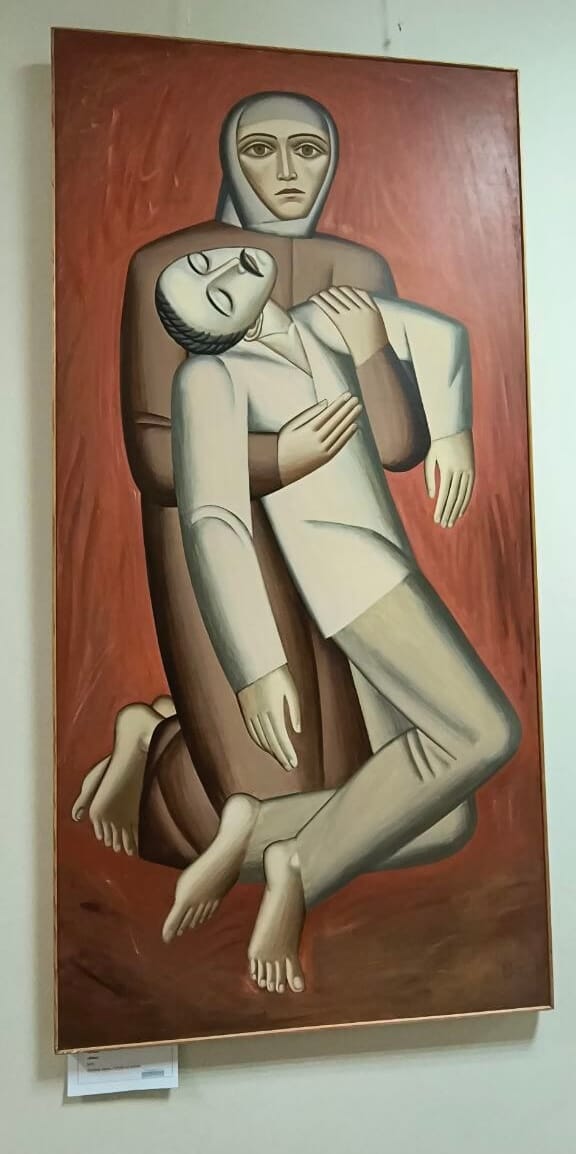
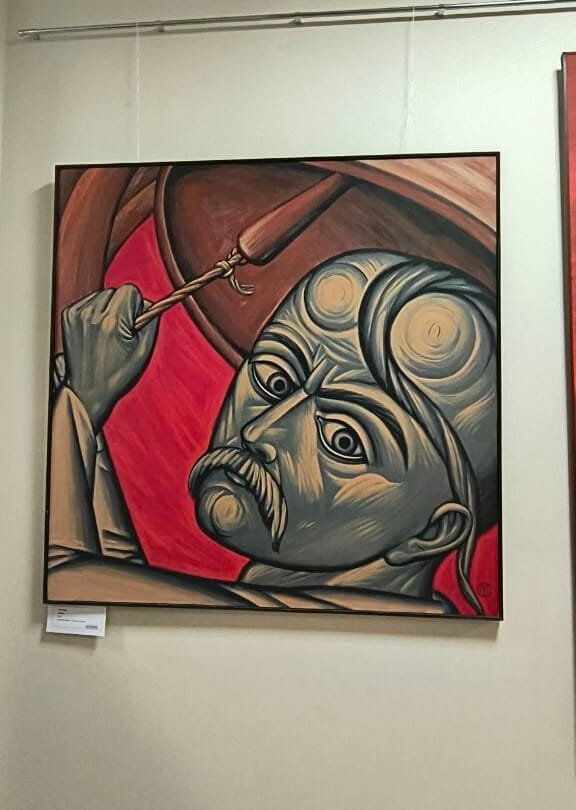
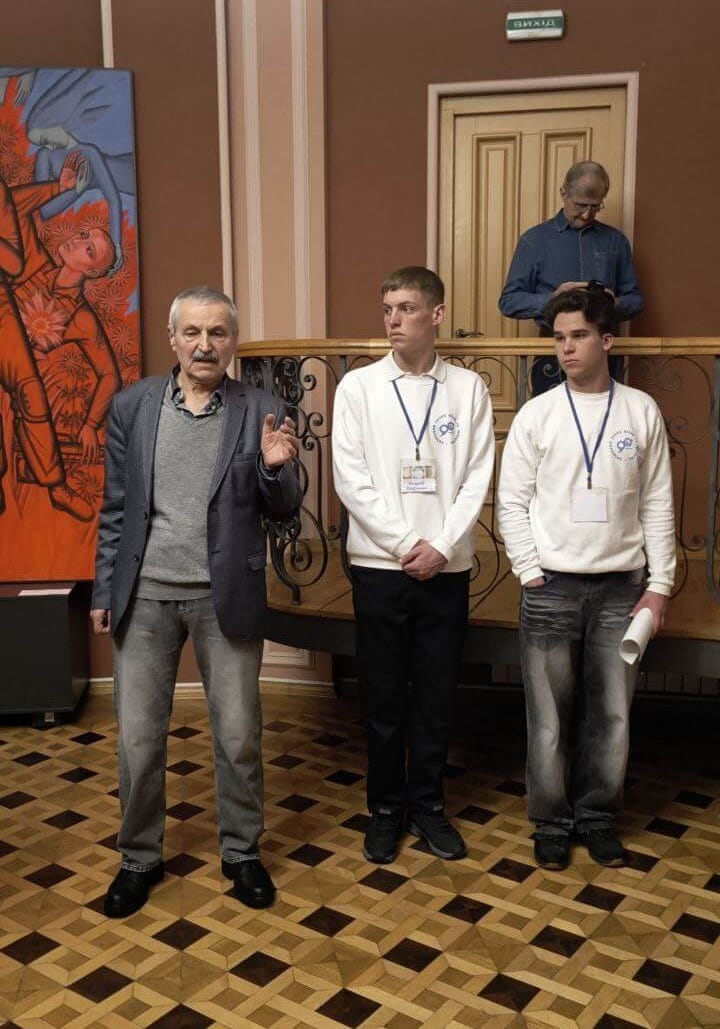
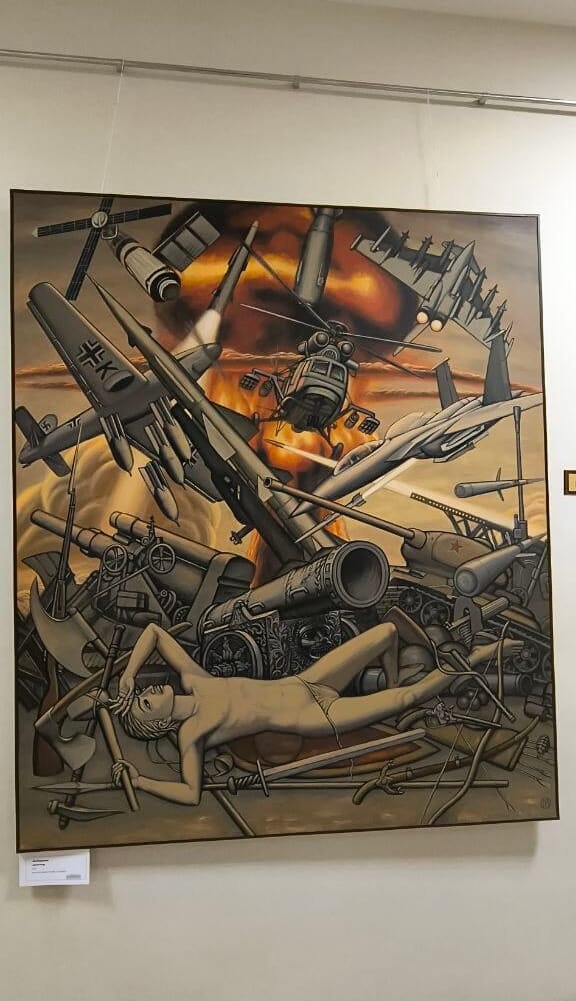
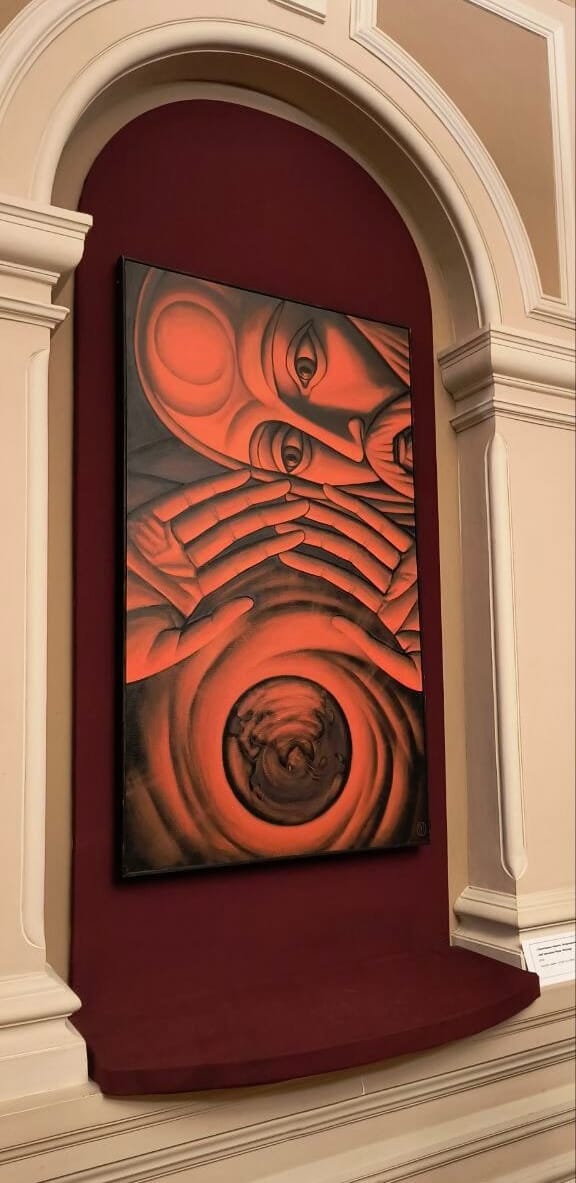
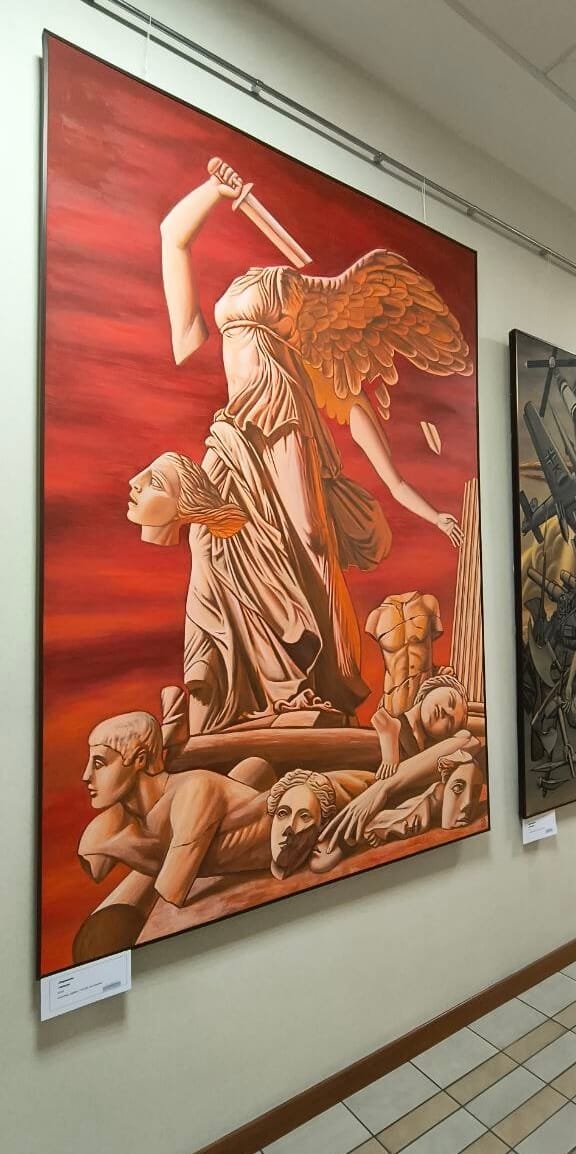
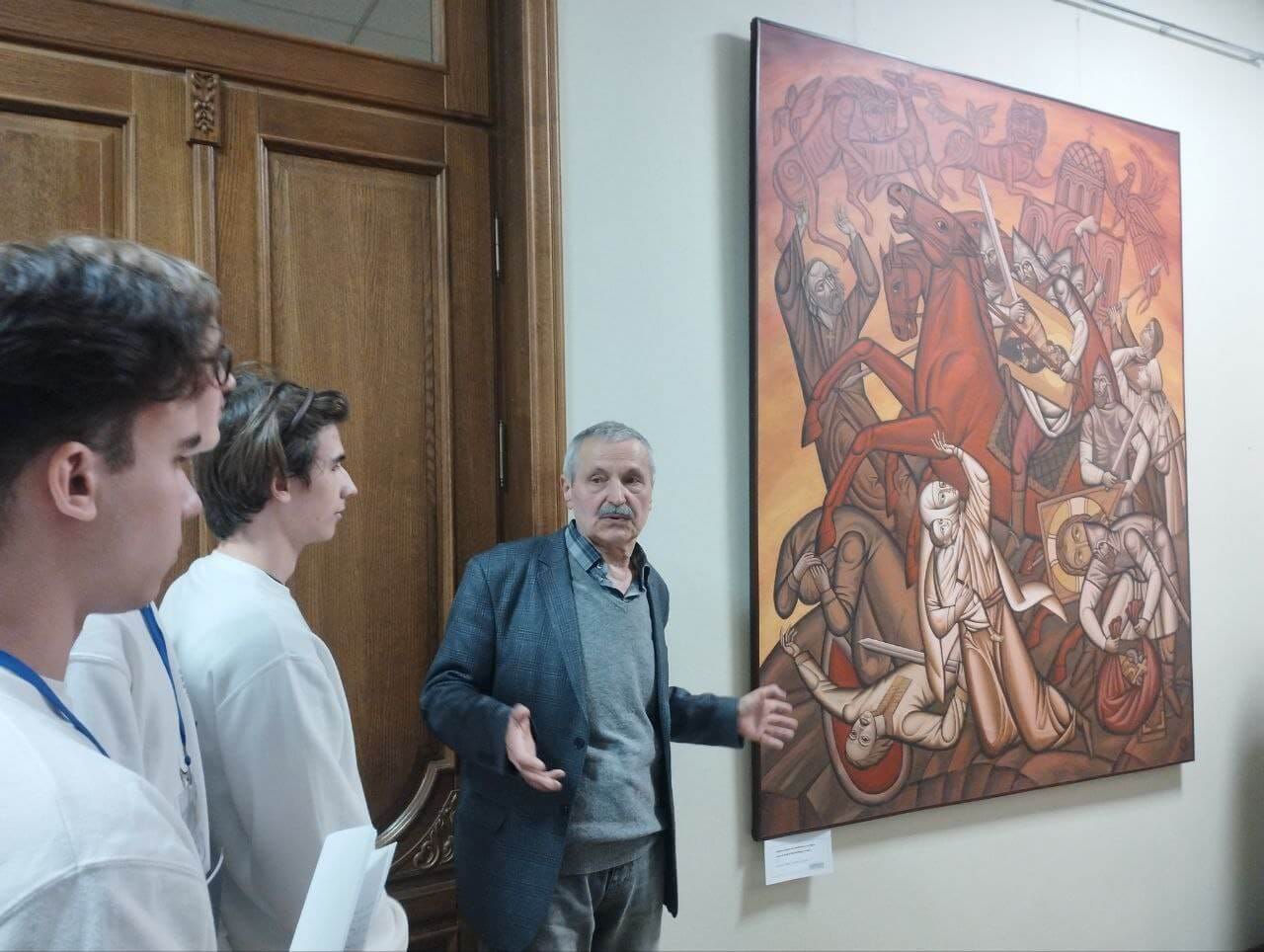
The students were particularly moved by the military-themed works. “Blazing Bloom” stood out as a deeply emotional symbol of remembrance for those lost in the war, while “Self-Burned Planet” served as a stark warning about the consequences of human choices.
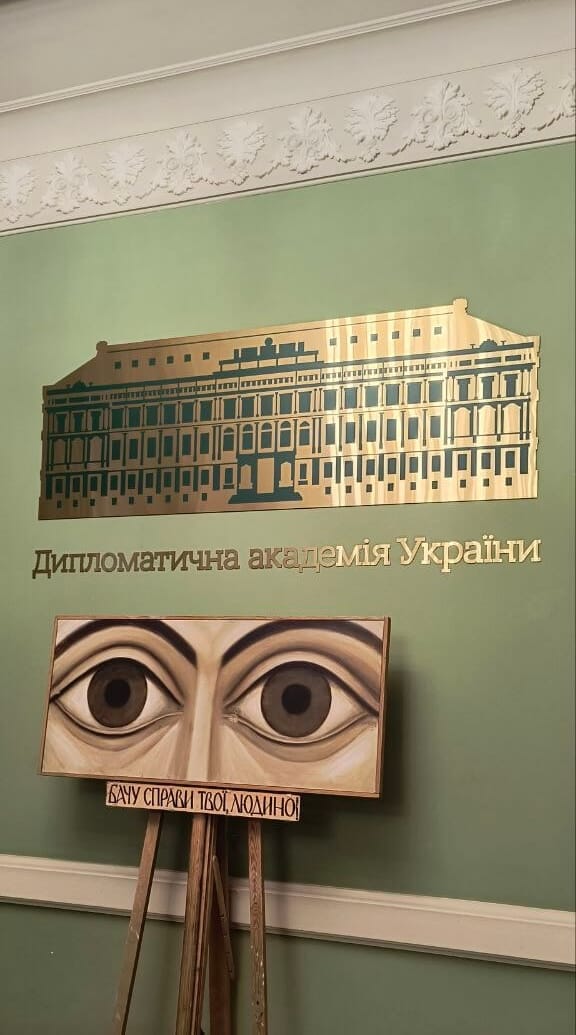
At the heart of the exhibition was the iconic painting “I See Your Deeds, O Human!”, featuring the profound and watchful eyes of God. Its message feels just as relevant today, serving as a powerful reminder of personal and collective moral responsibility.
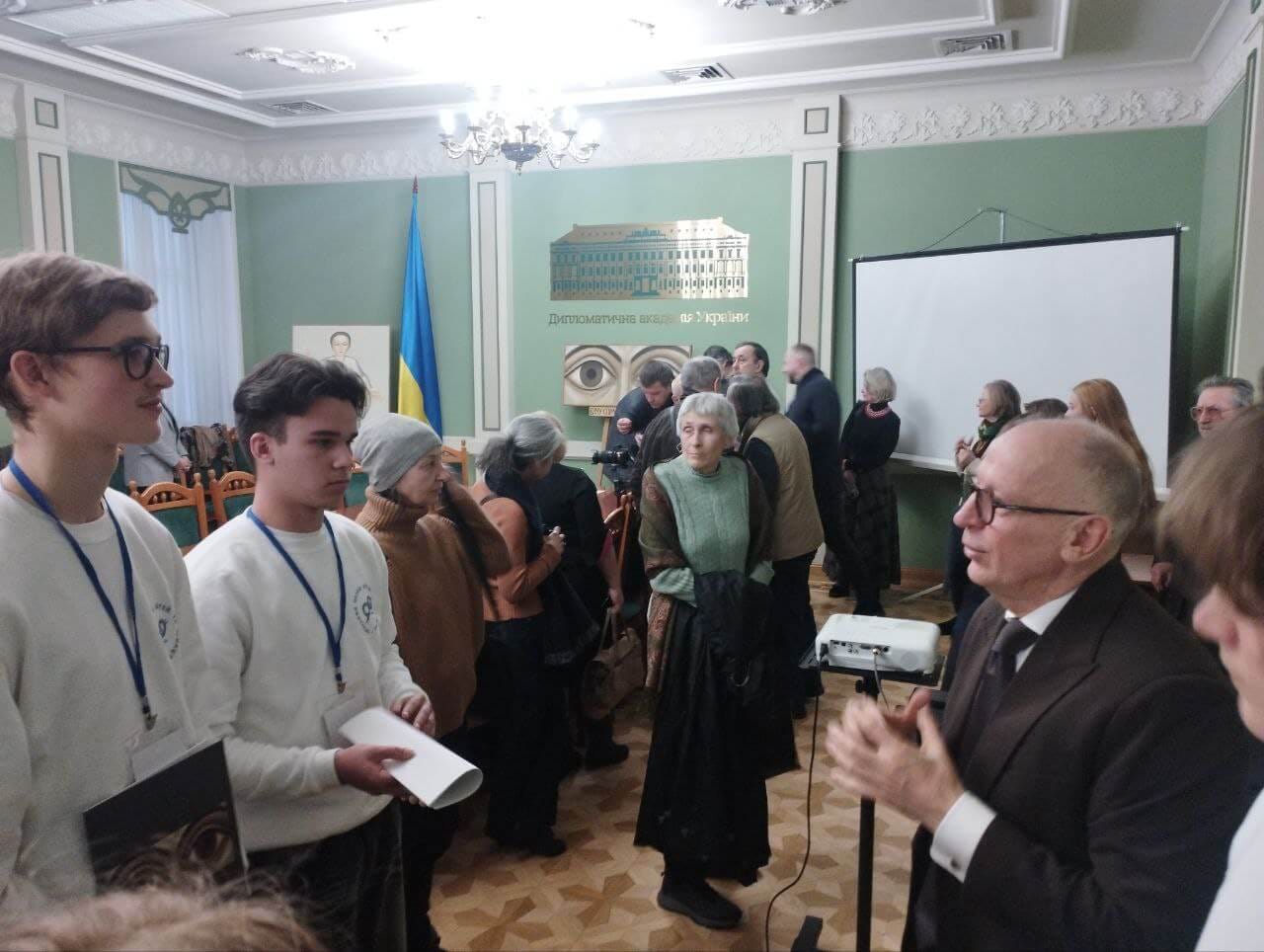
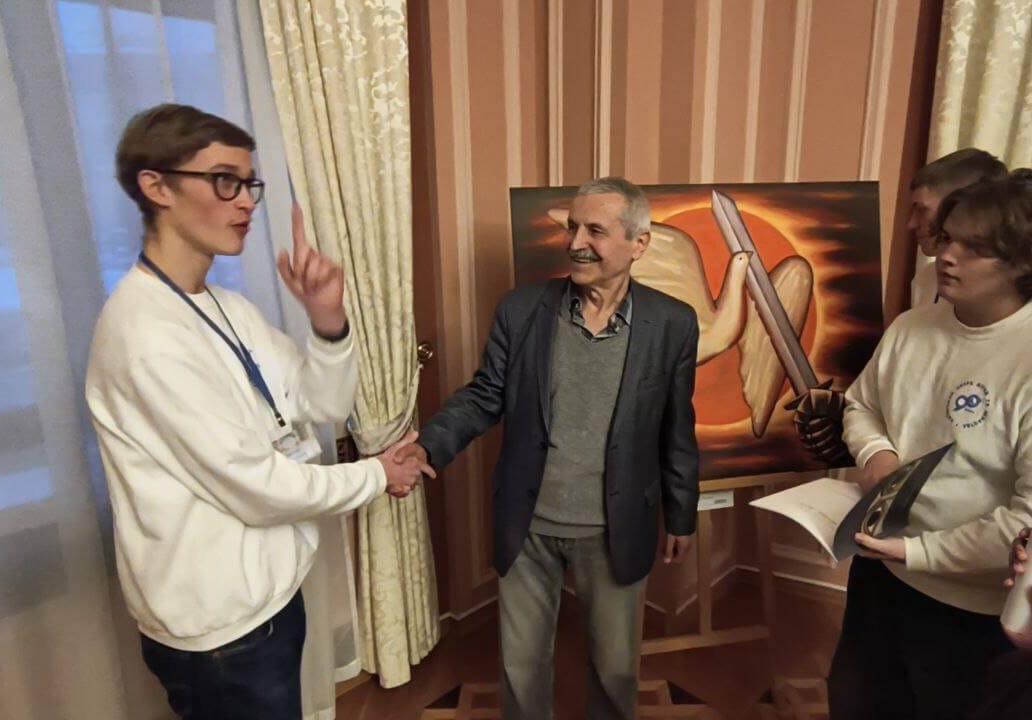
Rita Kosyak, Head of the Kyiv Palace of Children and Youth project office, noted:
“For Junior Diplomatic Academy students, this event was more than a cultural visit — it was a chance to reflect on how art shapes historical memory and how culture becomes an integral part of diplomacy.”
