Junior Diplomatic Academy students attended the presentation of the Arabic-language edition of “The Forest Song” by Lesya Ukrainka at the Diplomatic Academy of Ukraine
February 25, 2026
A presentation of the Arabic-language translation of “The Forest Song” by Lesya Ukrainka took place at the Diplomatic Academy of Ukraine, marking the 155th anniversary of the poet’s birth. The event gathered members of the diplomatic corps alongside representatives of the academic and cultural spheres.
The audience included the Head of Ukraine’s Embassy in Iraq, Members of Parliament, the Director of the Lebanese Information Center, and distinguished student delegations from Kyiv-Mohyla Academy, the Linguistic University, and Taras Shevchenko National University of Kyiv, as well as the Director of the Institute of Literature of the National Academy of Sciences of Ukraine. Representatives of five Ukrainian embassies in Arab countries also joined the event online.
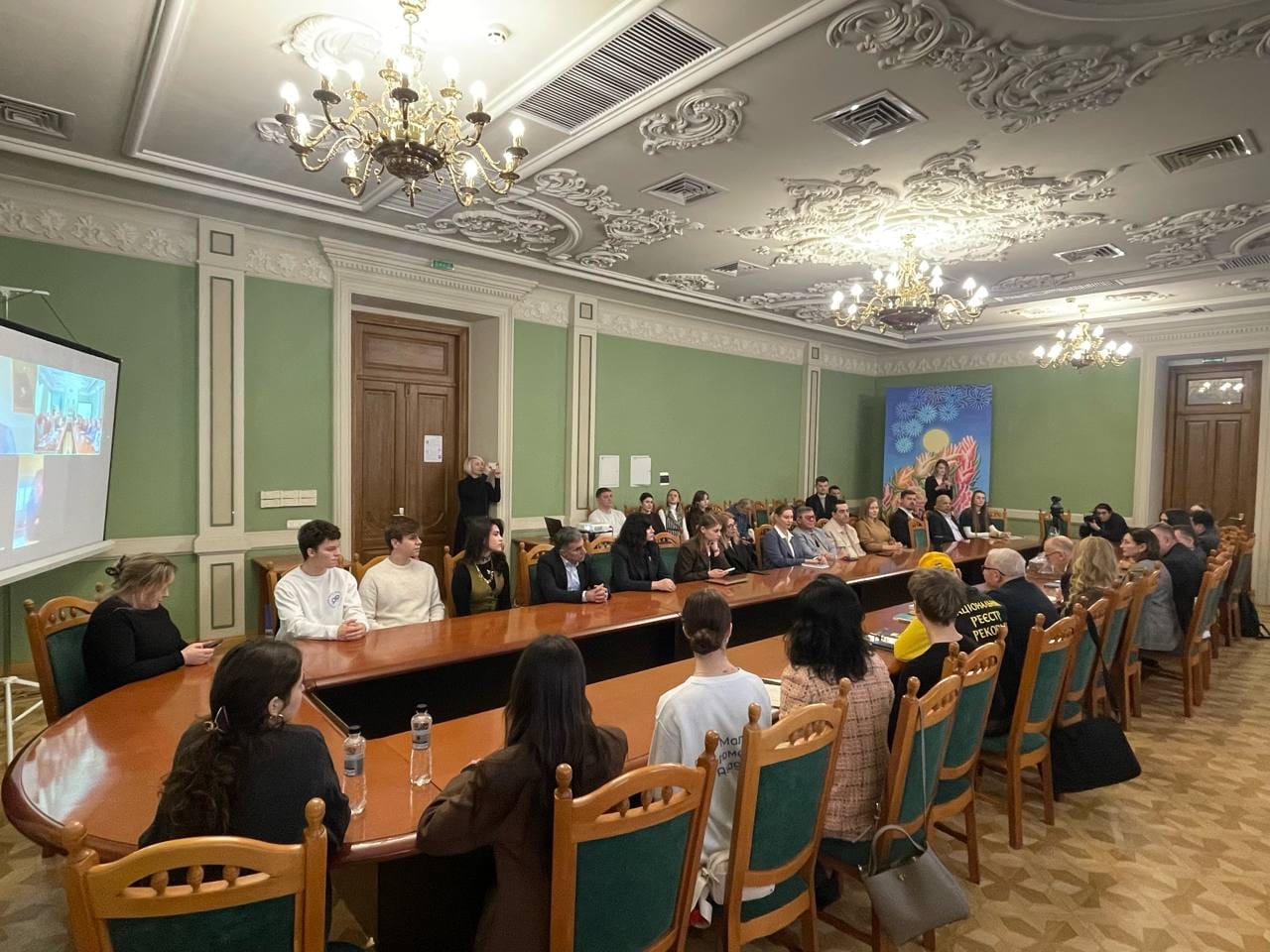
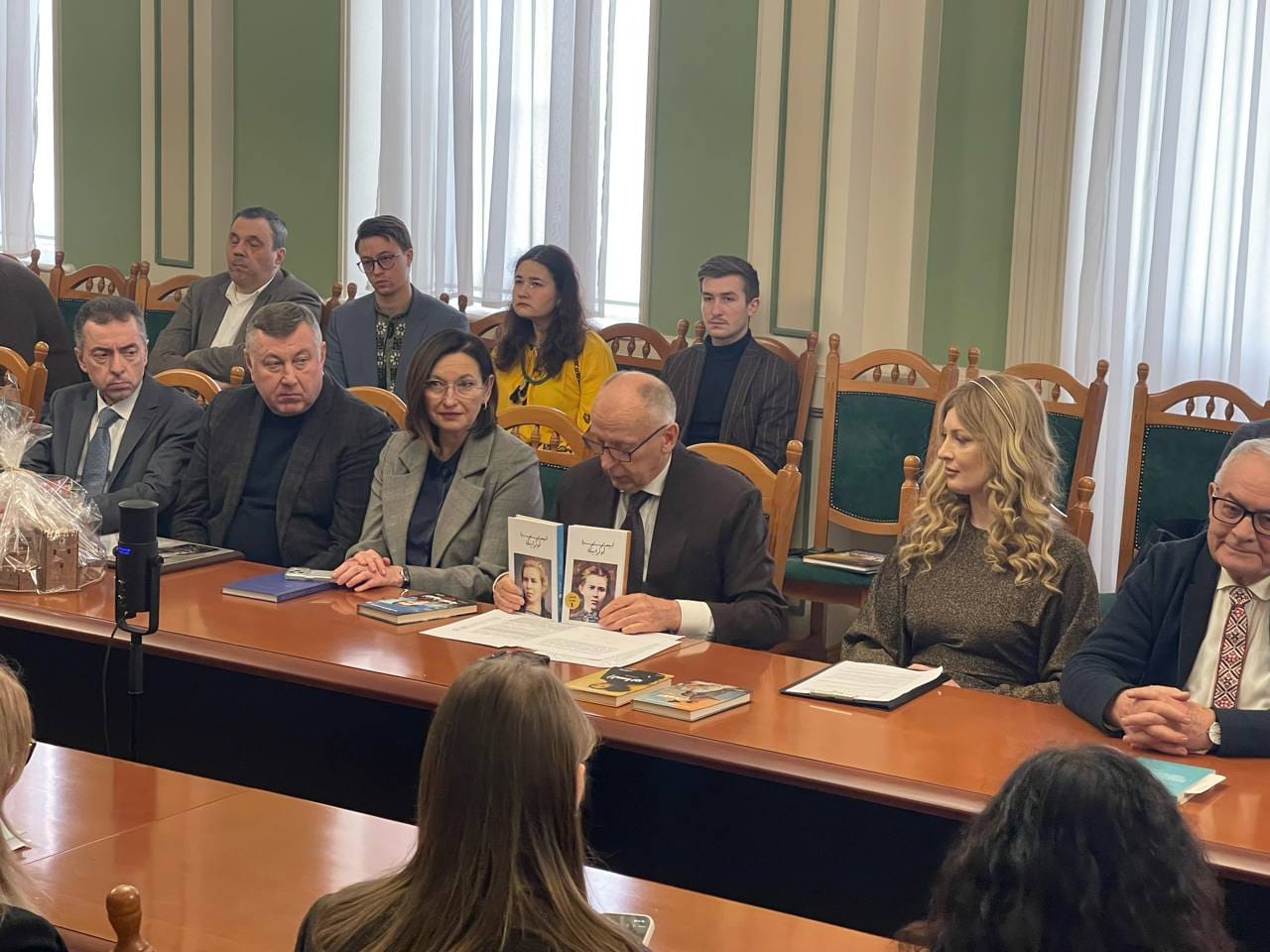
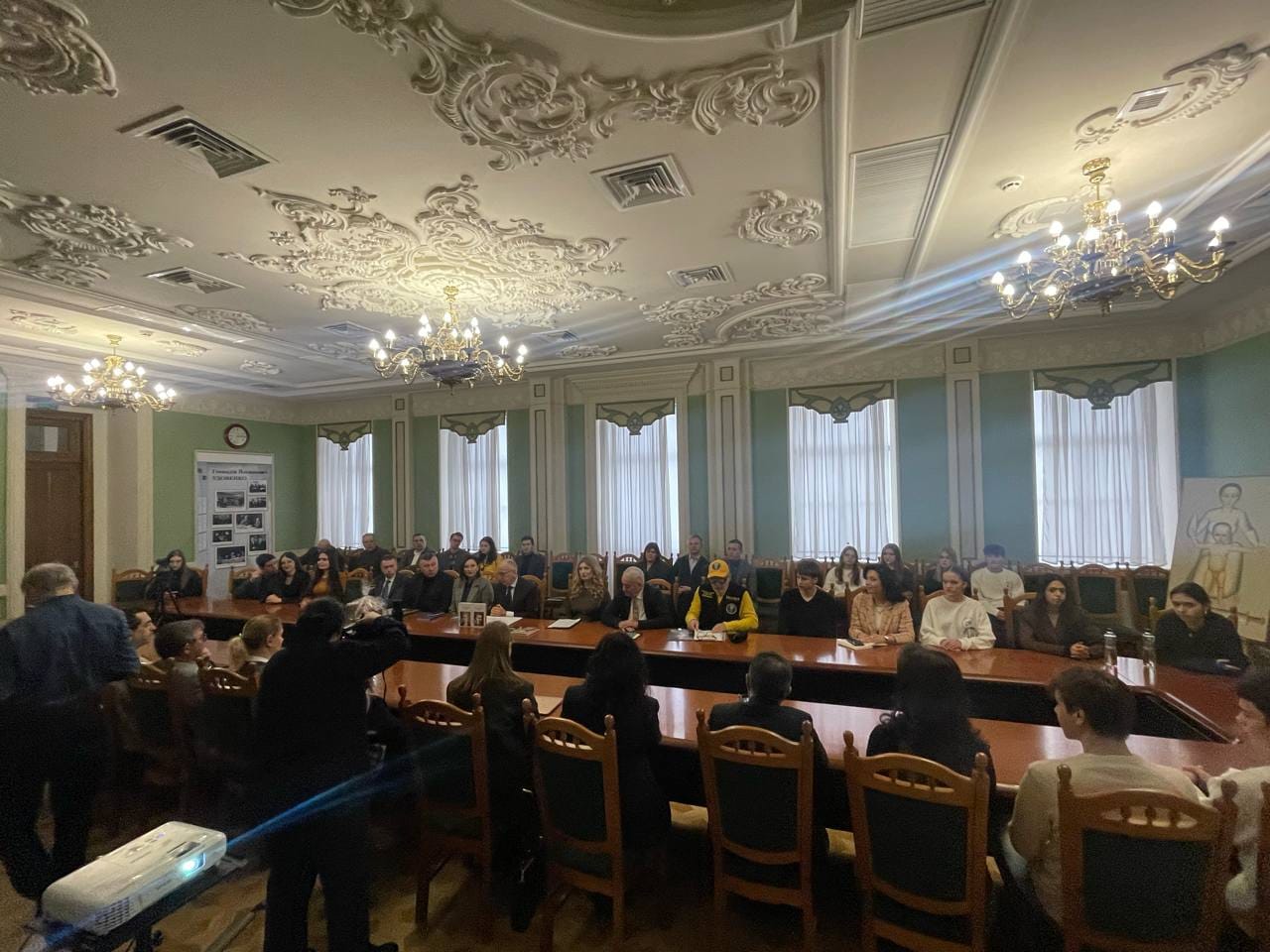
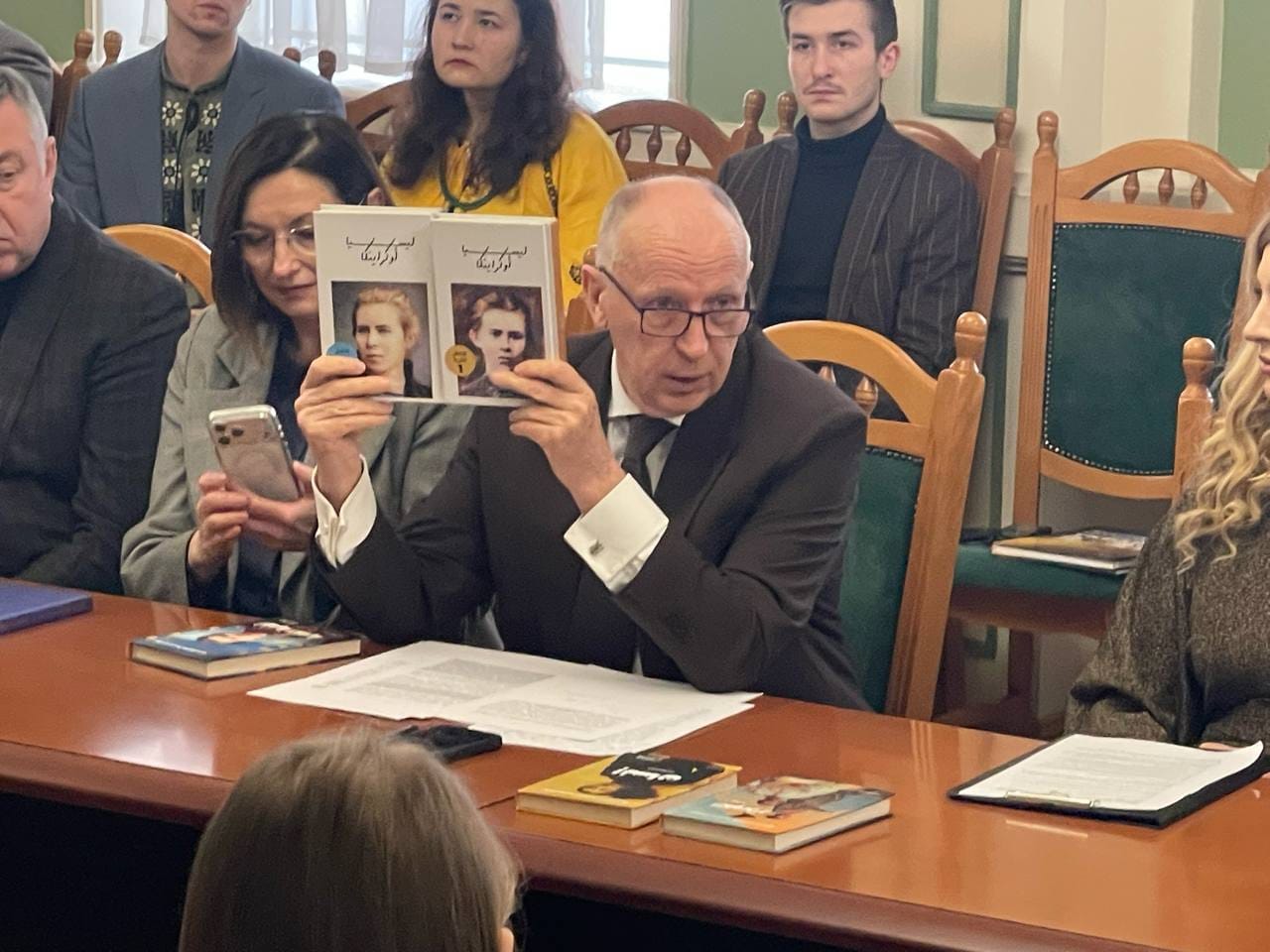
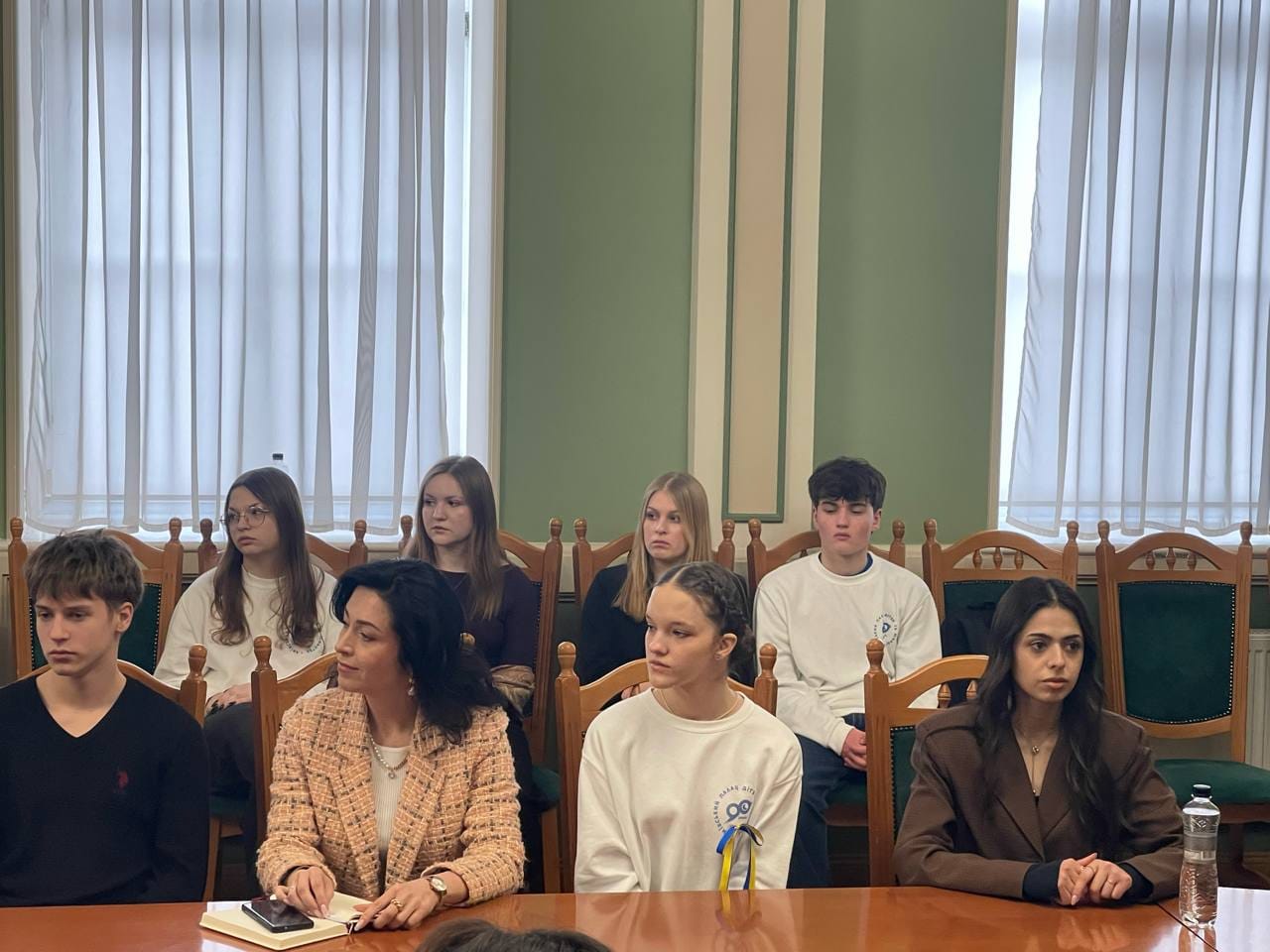
The event went beyond literature, touching on the broader theme of cultural diplomacy.
Lesya Ukrainka had a profound interest in Eastern cultures. At the age of 19, she authored “Ancient History of Eastern Peoples,” including studies on Phoenician history. Her intellectual reach extended well beyond her era — and today, her voice continues in Arabic.
During the presentation, the translator shared words of gratitude:
“Ukrainian classical literature now lives in Arabic as well, preserving its beauty and power… It is a great honor for me to present this Arabic translation of ‘The Forest Song.’ This journey was not only literary, but deeply spiritual.”
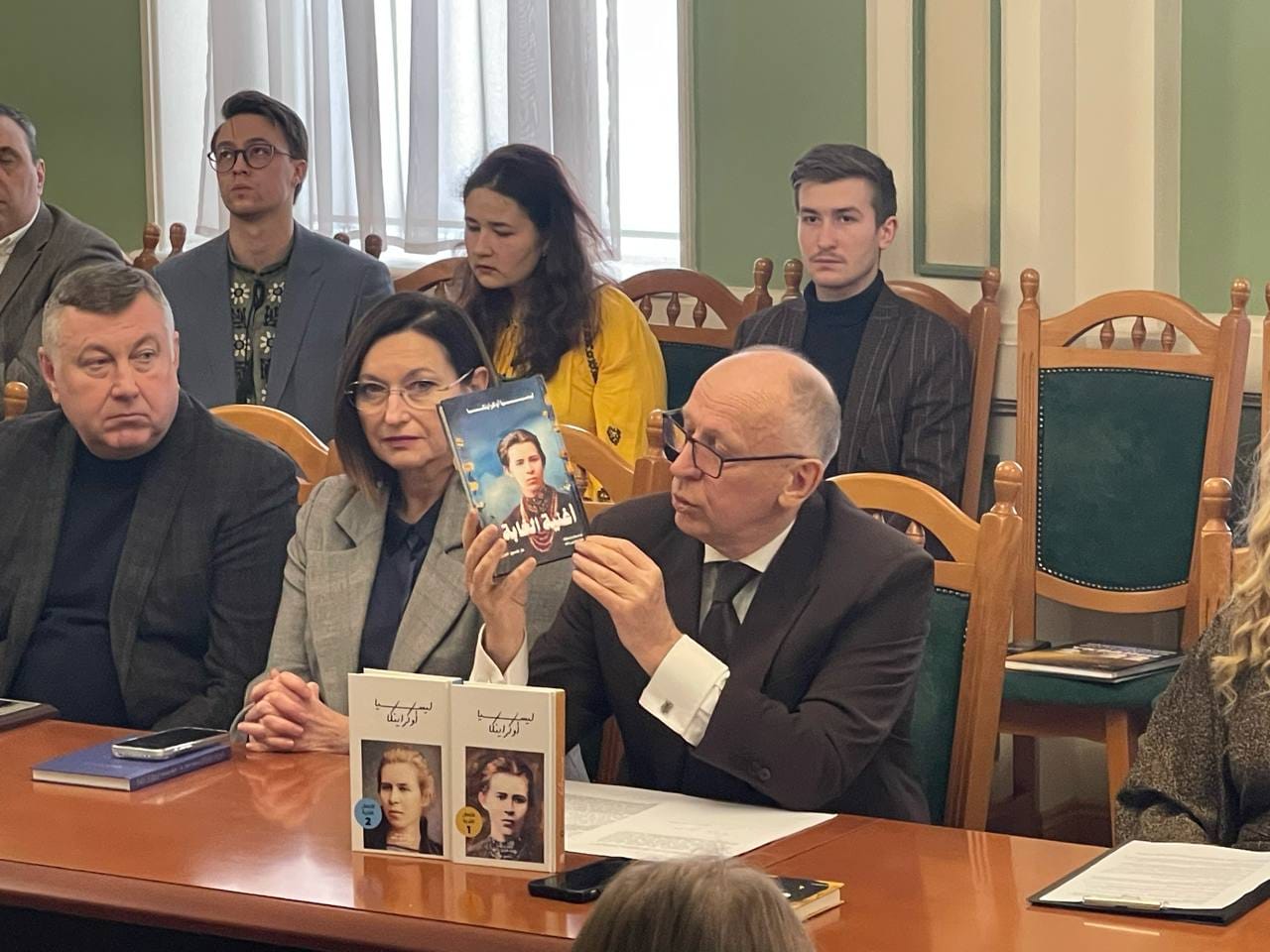
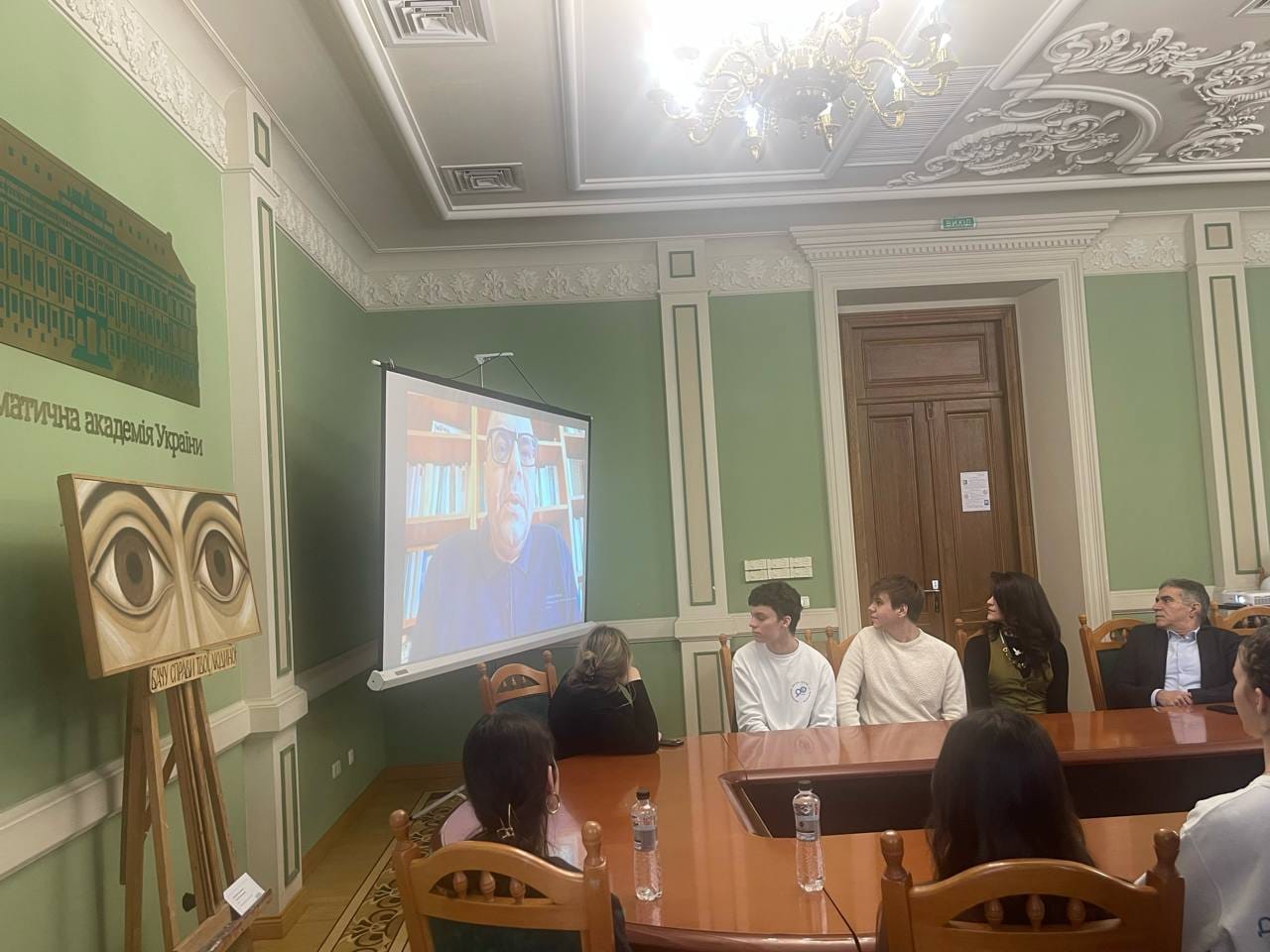
Gratitude was also expressed to Ihor Ostash for his support and faith in bringing this cultural initiative to life.
The audience also learned about the 14-volume edition published to mark Lesya Ukrainka’s 150th anniversary — a remarkable achievement by the Institute of Literature in preserving her literary heritage. Guests heard about the global effort to collect her manuscripts and build comprehensive archives.
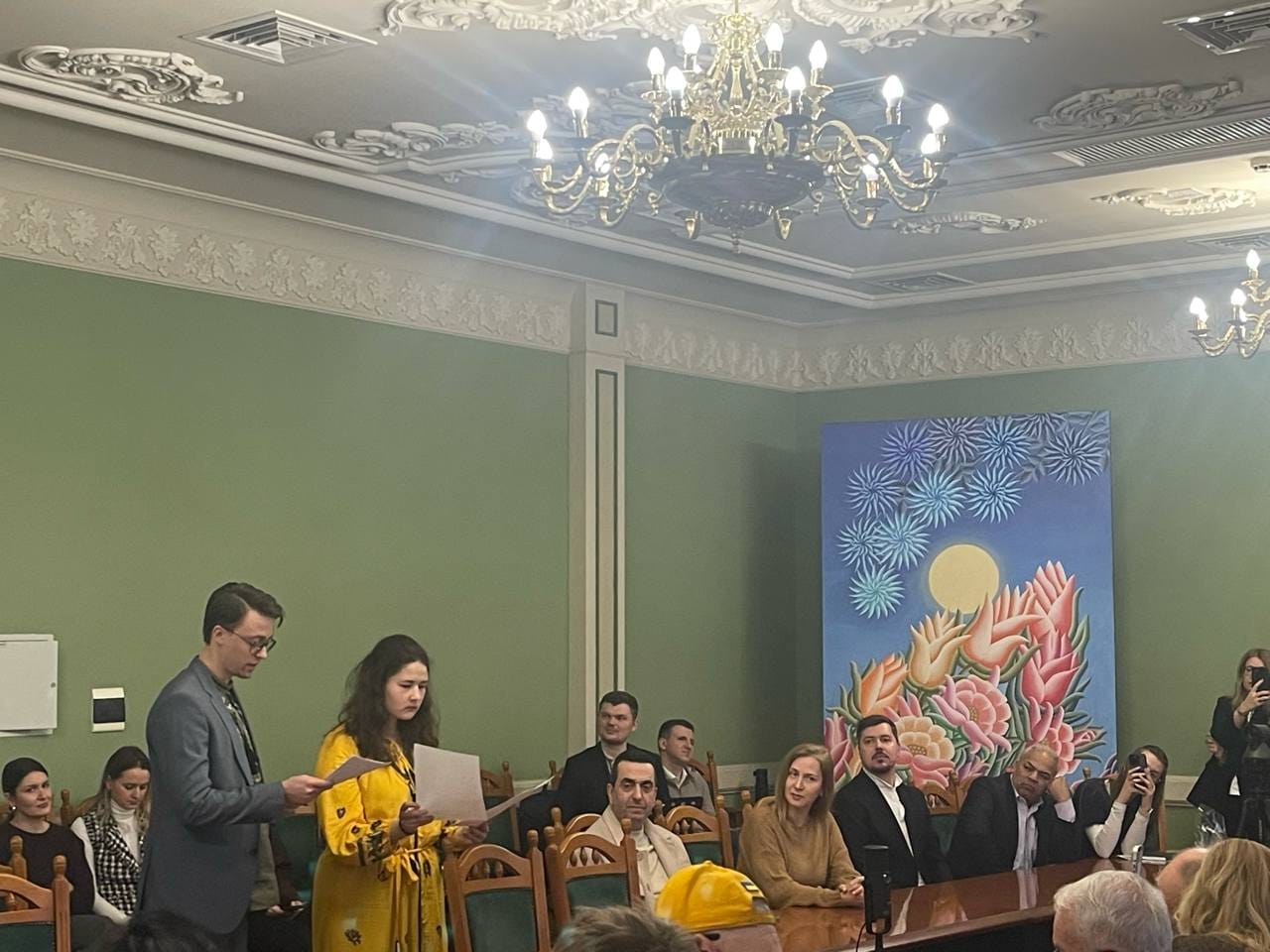
One of the most powerful moments was the performance of “The Forest Song” in Arabic, blending Ukrainian classical literature with Eastern linguistic traditions and creating a genuine space for cultural dialogue.
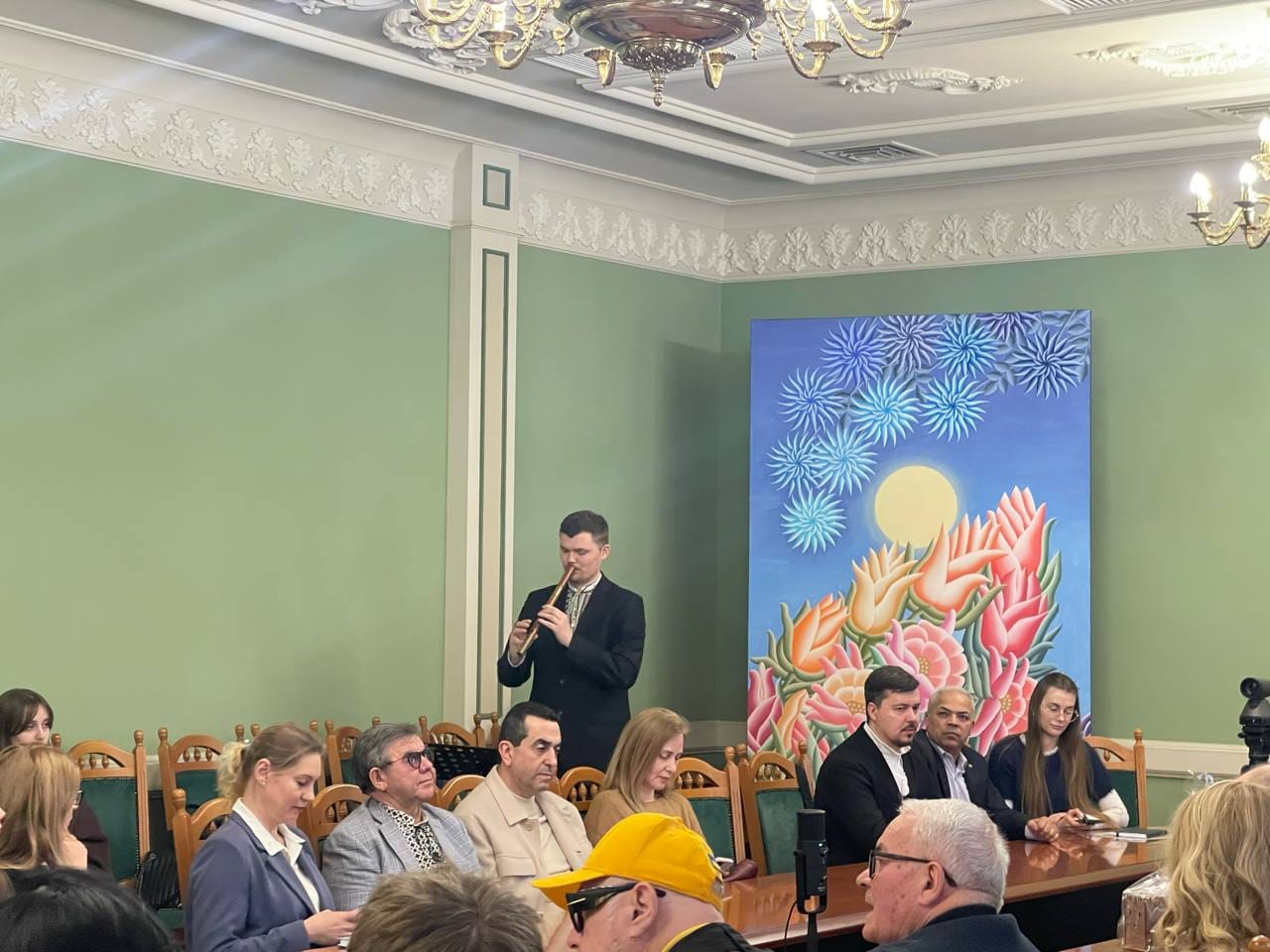
The atmosphere was further enhanced by live music from Tymofii Filipin (performing the role of Lukash), whose sopilka performance added emotional depth and resonance to the event.
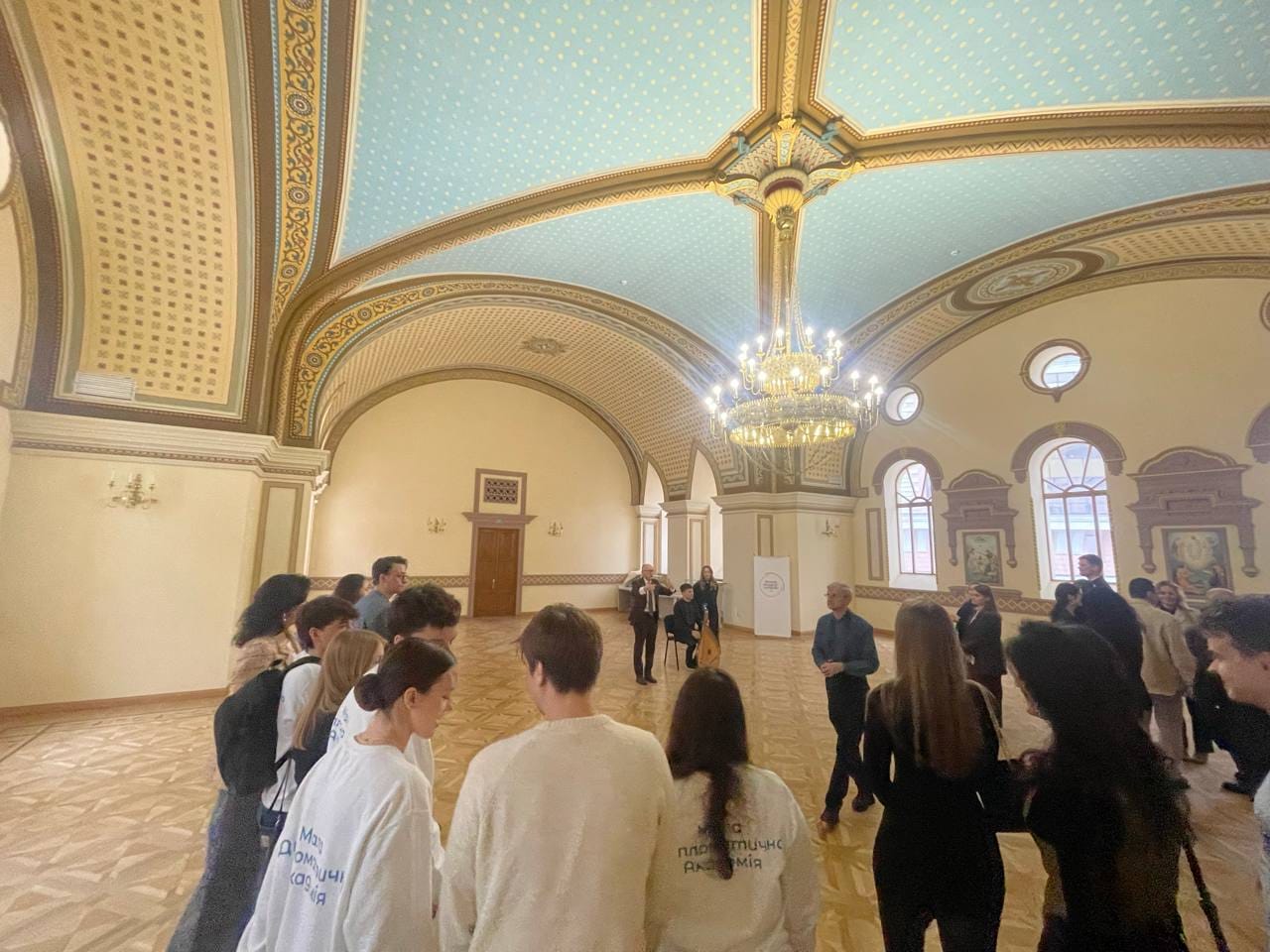
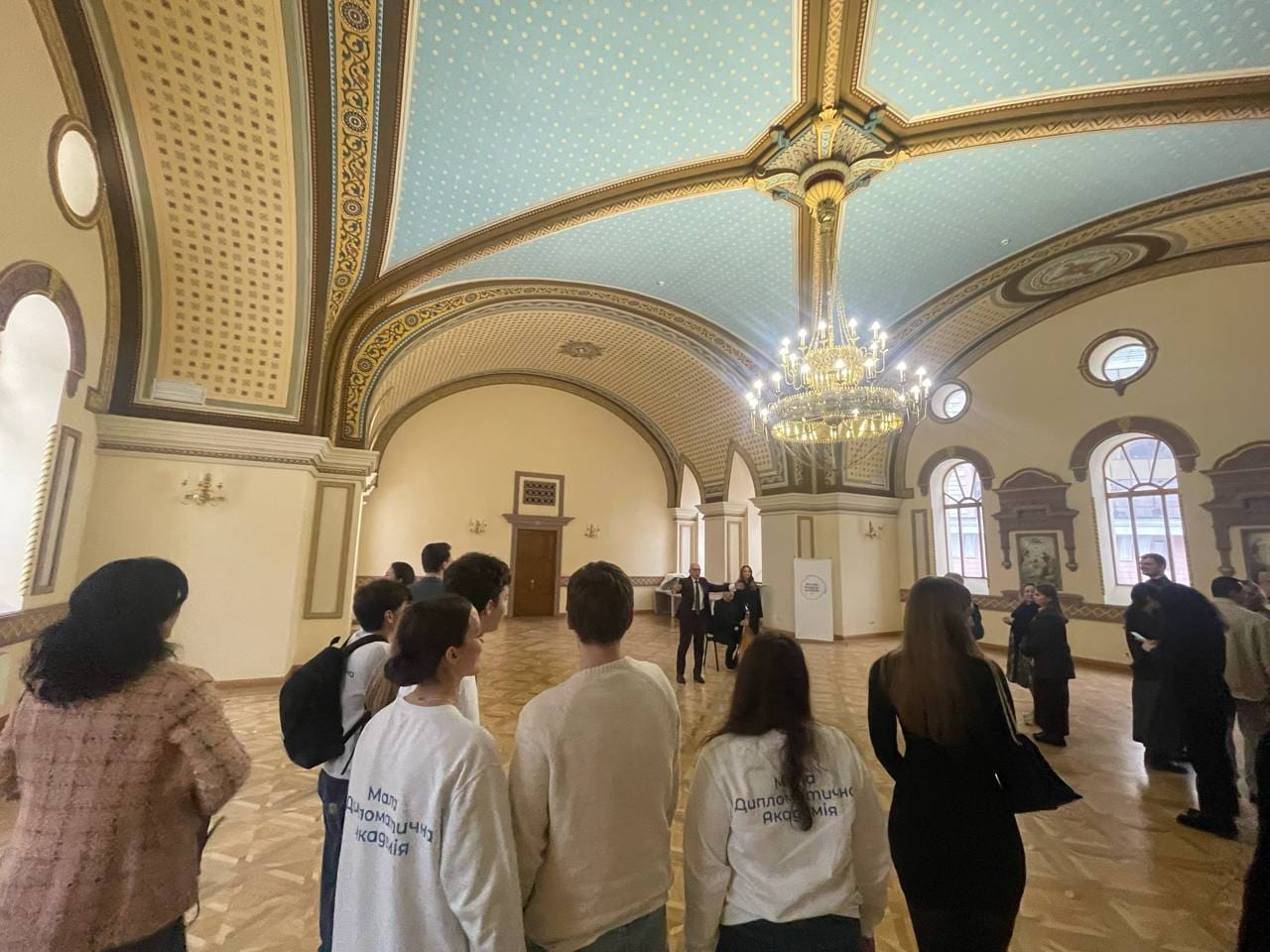
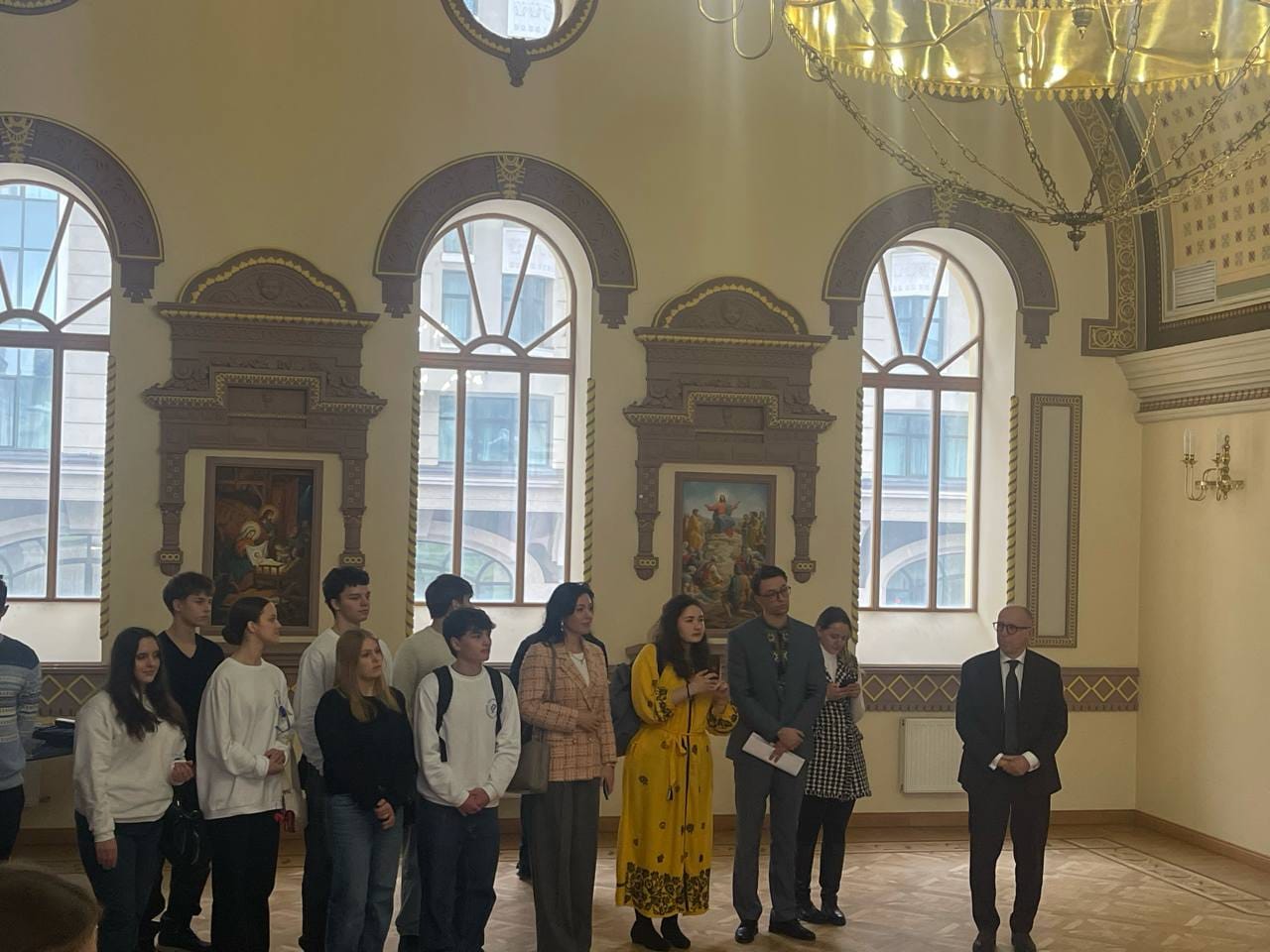
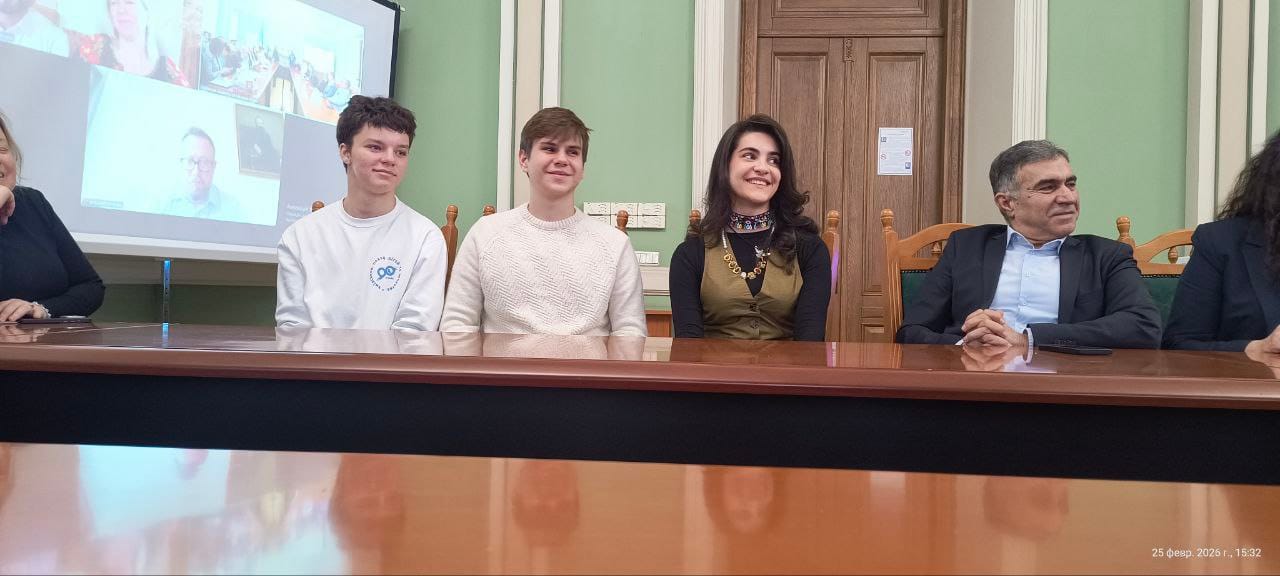
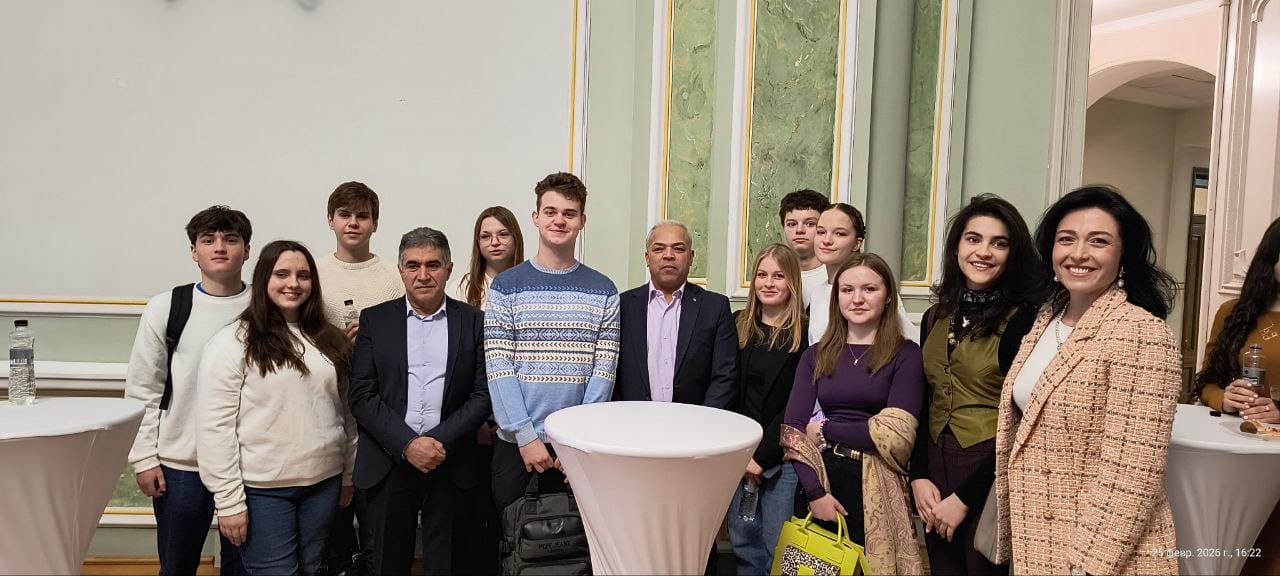
Symbolic elements of the event included the mention of the Taras Shevchenko monument in Lebanon’s Ukrainian Park, along with the Arabic-language edition of “Kobzar.” These bilingual publications are being distributed to Lebanese universities, strengthening cultural connections between nations.
The Junior Diplomatic Academy was also warmly acknowledged:
“This is our future diplomatic academy.”
For the students, the event was not just a literary presentation, but a real-life example of cultural diplomacy — showing how words, translation, and respect for cultural heritage can become meaningful instruments of global dialogue.
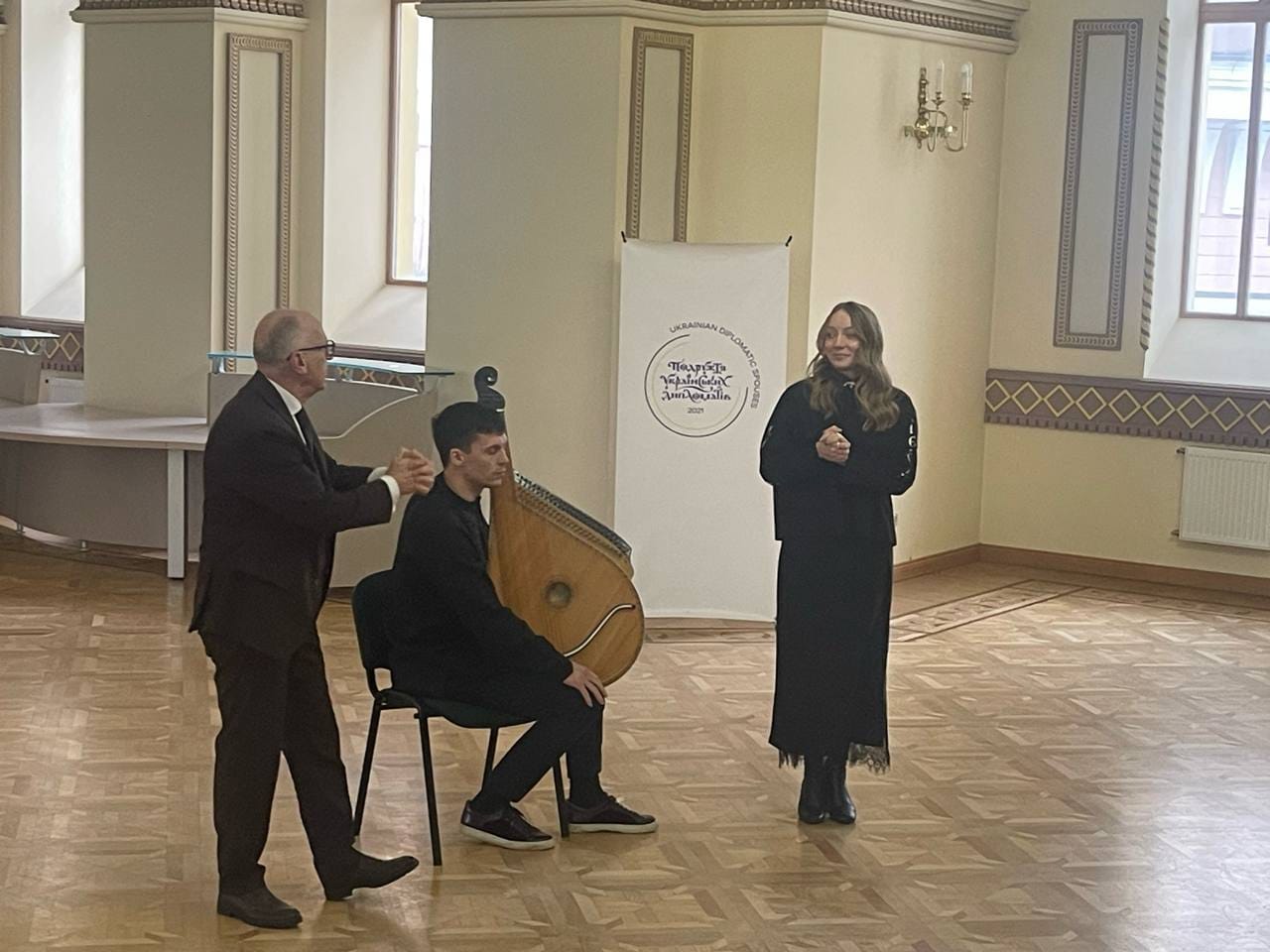
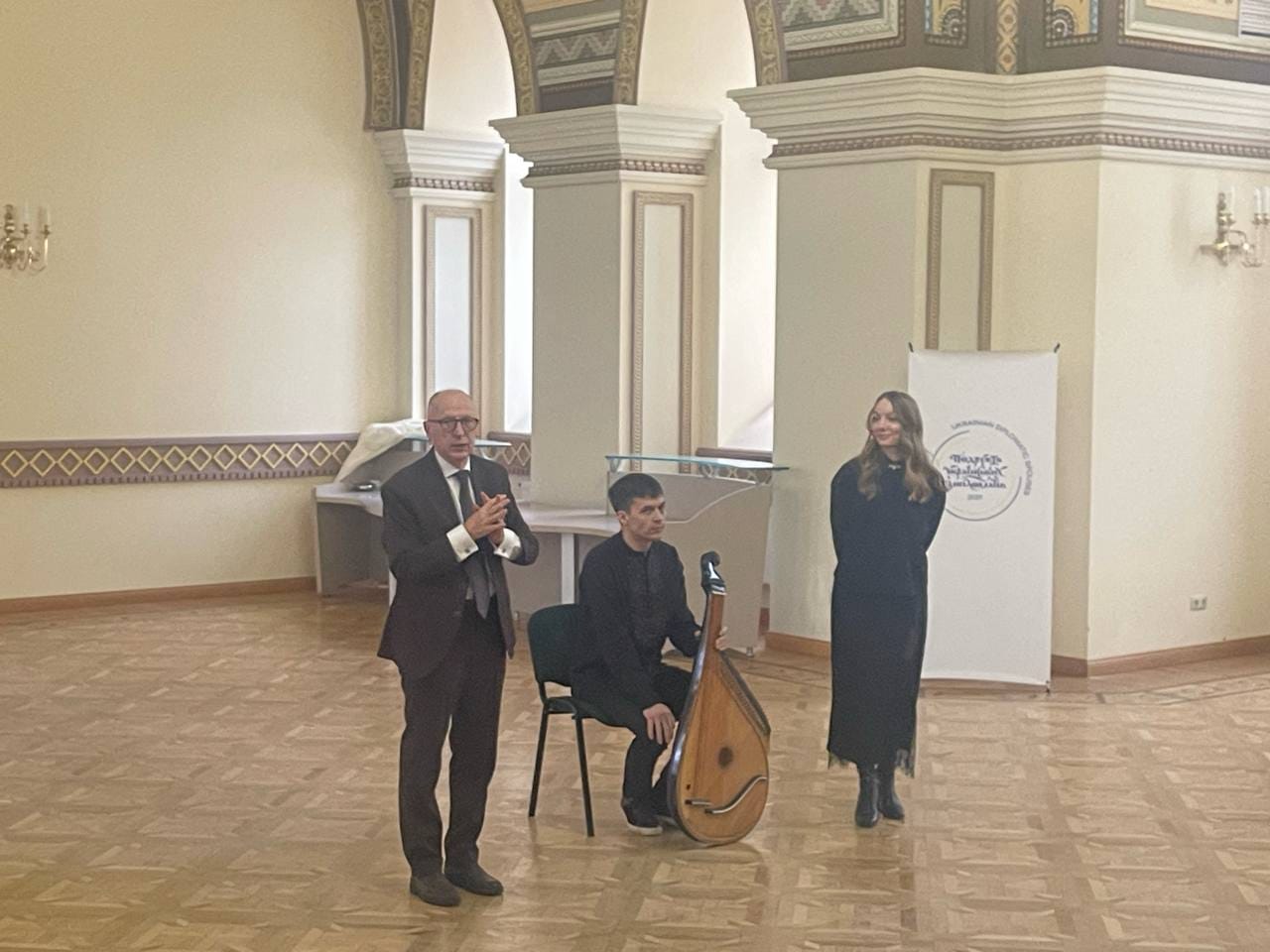
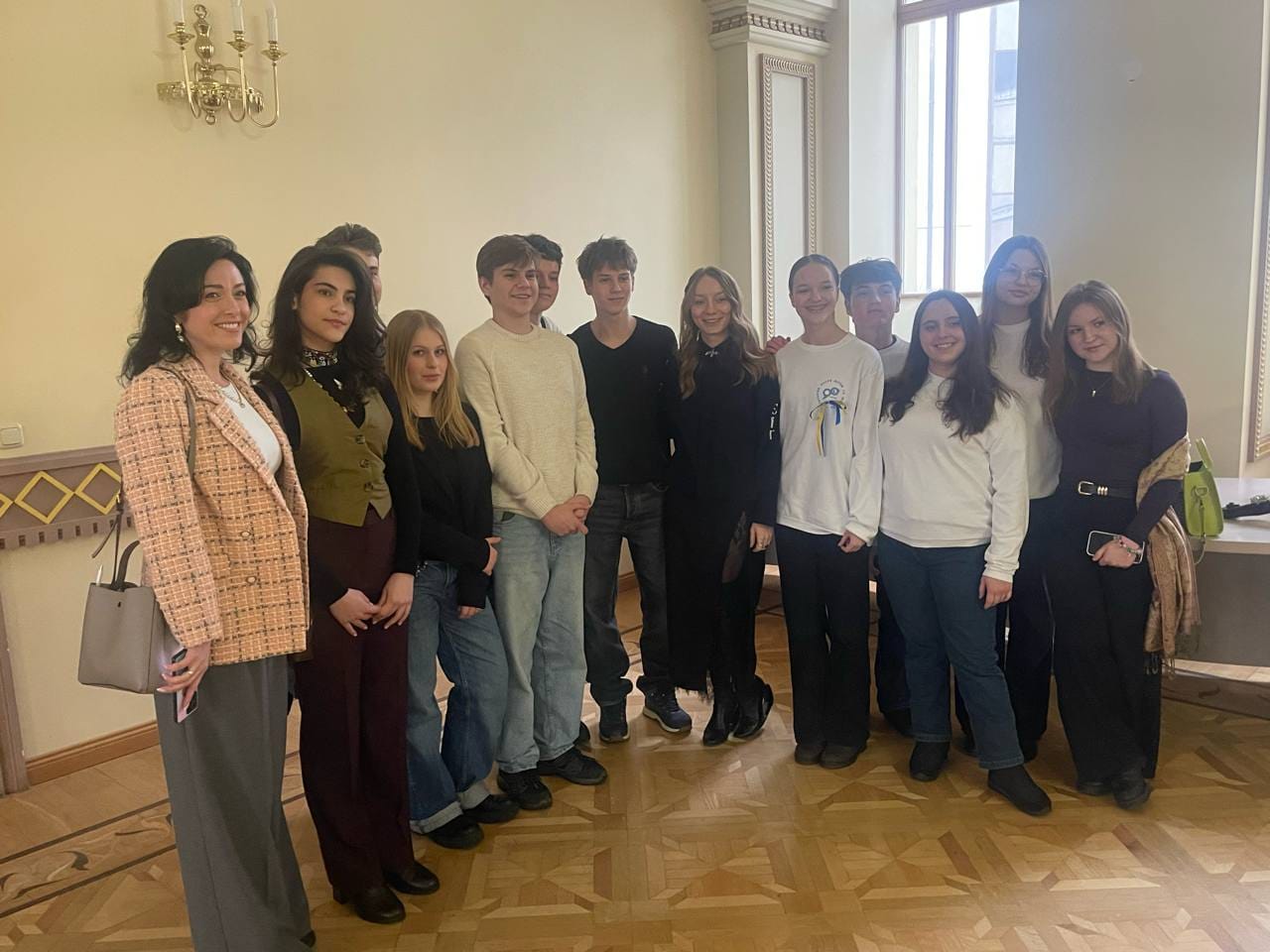
The event concluded with a performance by LELEKA, who reflected on how Lesya Ukrainka’s bold and multifaceted nature inspires her most. Guests then visited Oleksandr Melnyk’s exhibition “I See Your Deeds, O Human!” and continued conversations in an informal setting during the reception — carrying the dialogue beyond the stage.
“For Junior Diplomatic Academy students, this meeting became a living example of how culture evolves into diplomacy, and how translation builds bridges between civilizations. It is through experiences like these that we realize words can be as powerful as any political act,” said Rita Kosyak, Head of the Kyiv Palace of Children and Youth project office.
