Economic diplomacy: a meeting between Junior Diplomatic Academy students and Mykhailo Bno-Airiian
March 4, 2026
The session with Mykhailo Bno-Airiian — a Ukrainian diplomat and public manager, now serving as Vice President for International Cooperation Development at MHP and Special Trade Representative of the Federation of Employers of Ukraine — was highly engaging for Junior Diplomatic Academy students. He shared his professional experience in international relations and introduced the concept of economic diplomacy.
At the start of the meeting, he подчеркнул the symbolic importance of the Kyiv Palace of Children and Youth for him, telling the students:
“You are in the right place.”
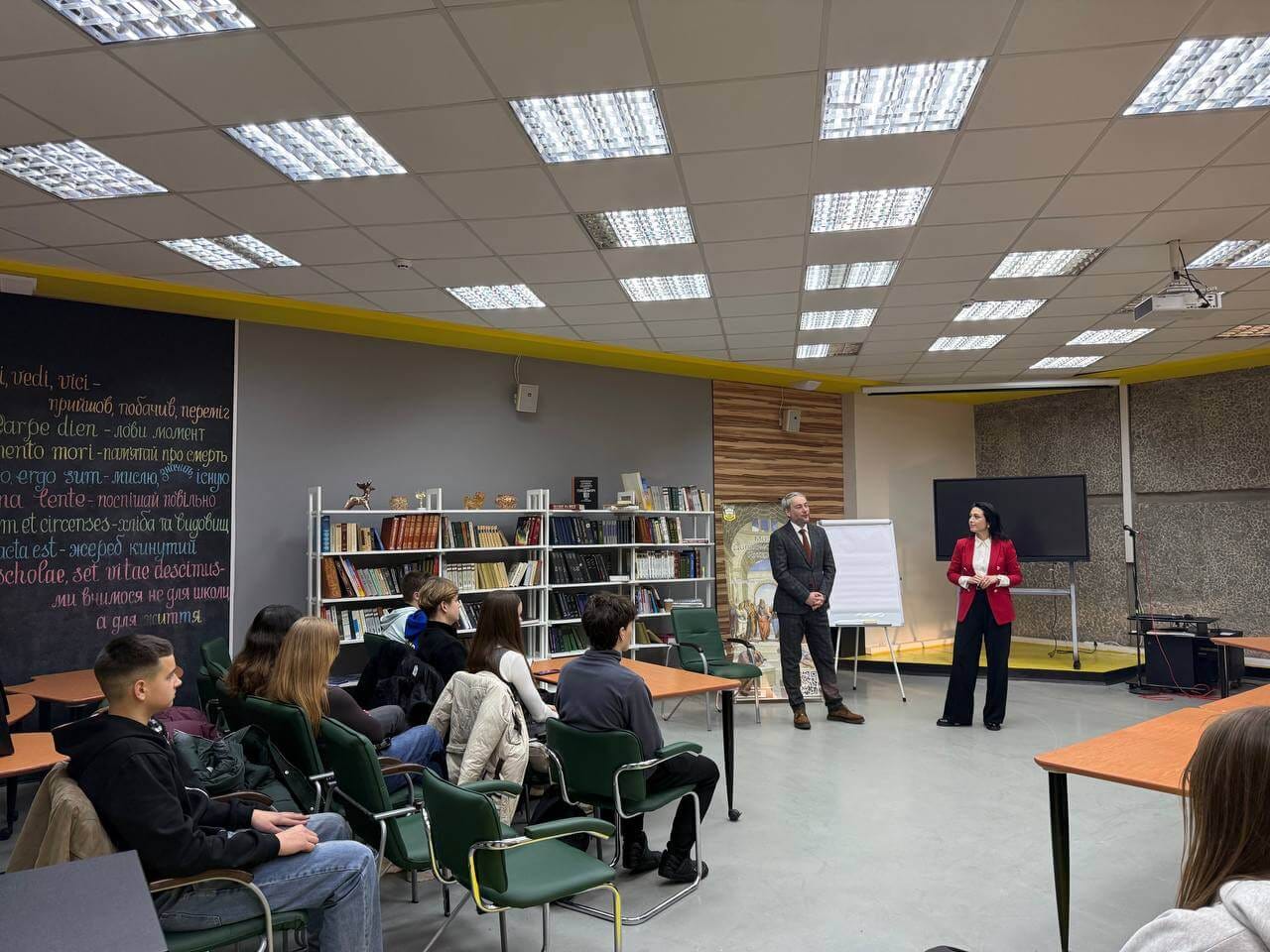
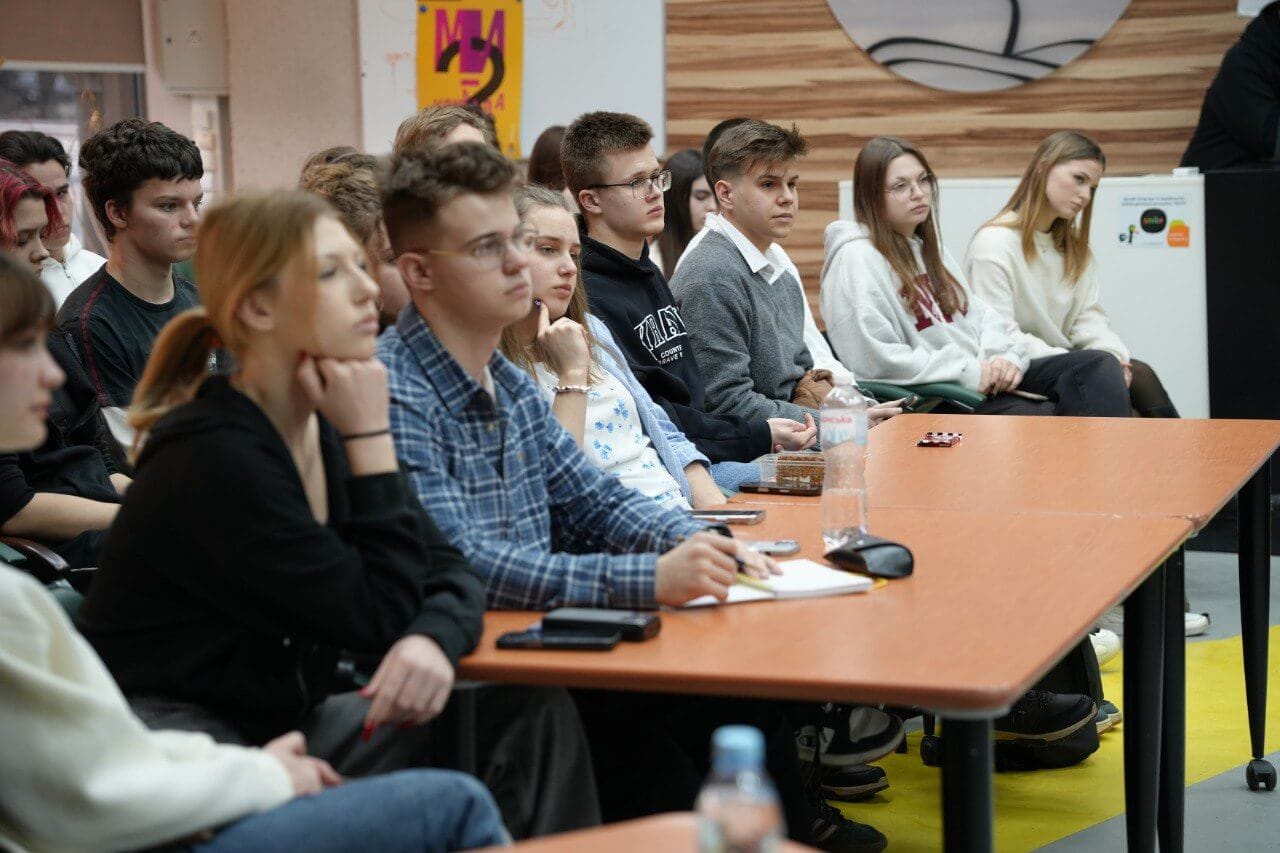
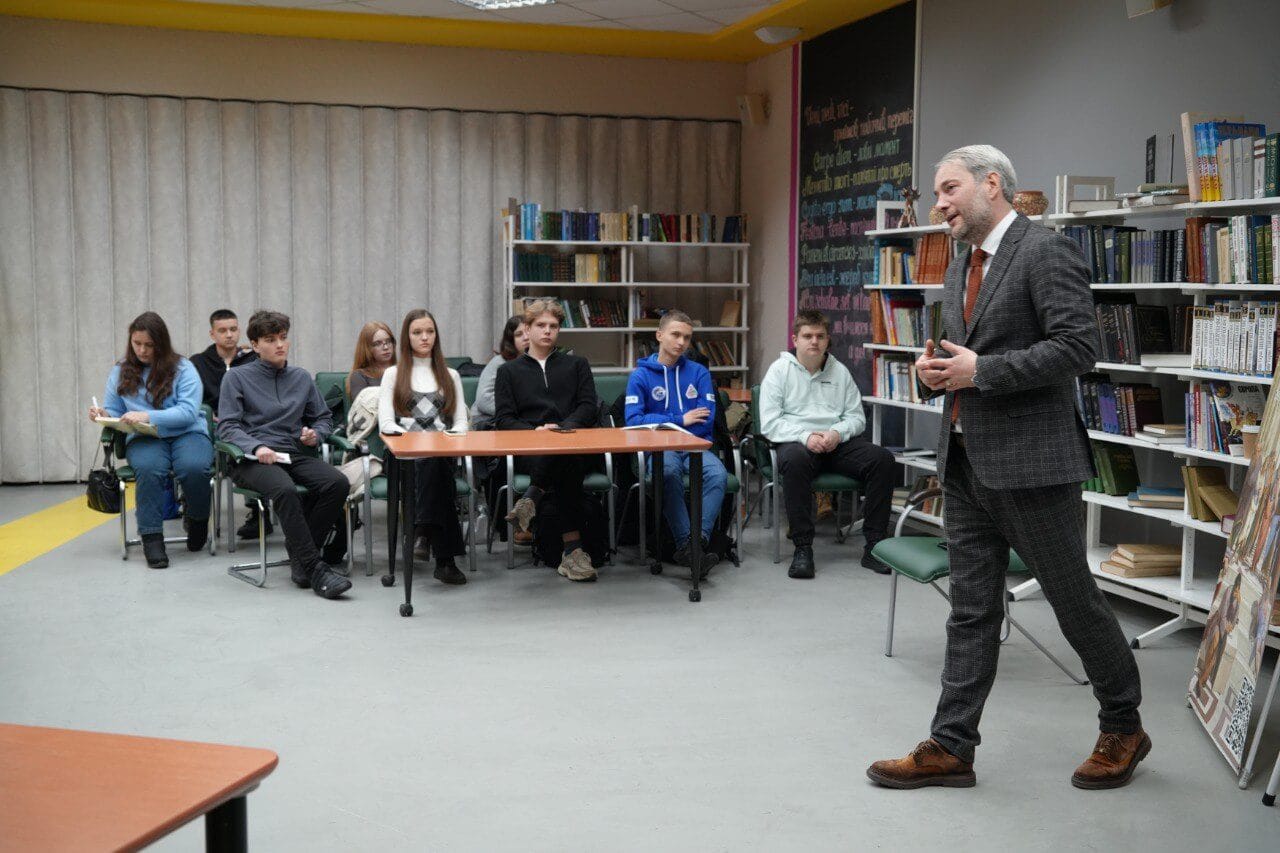
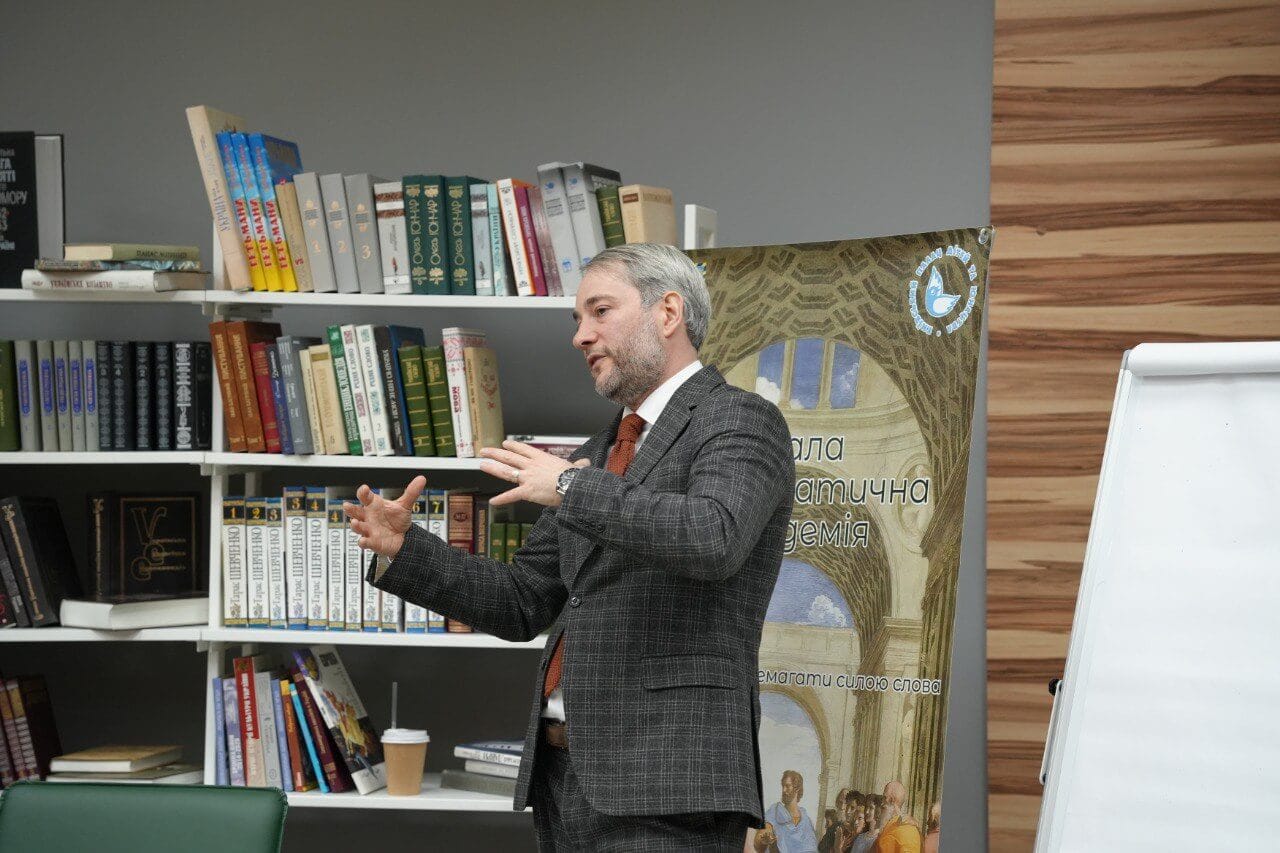
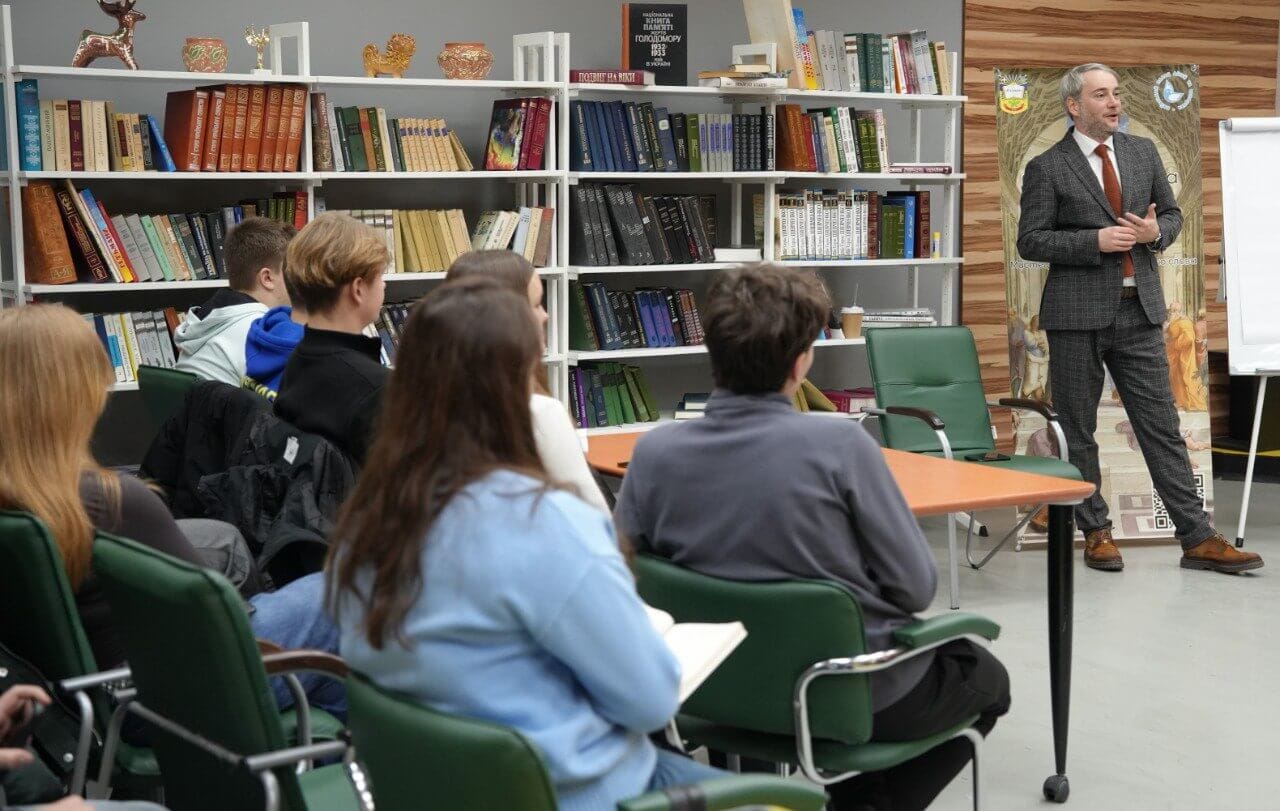
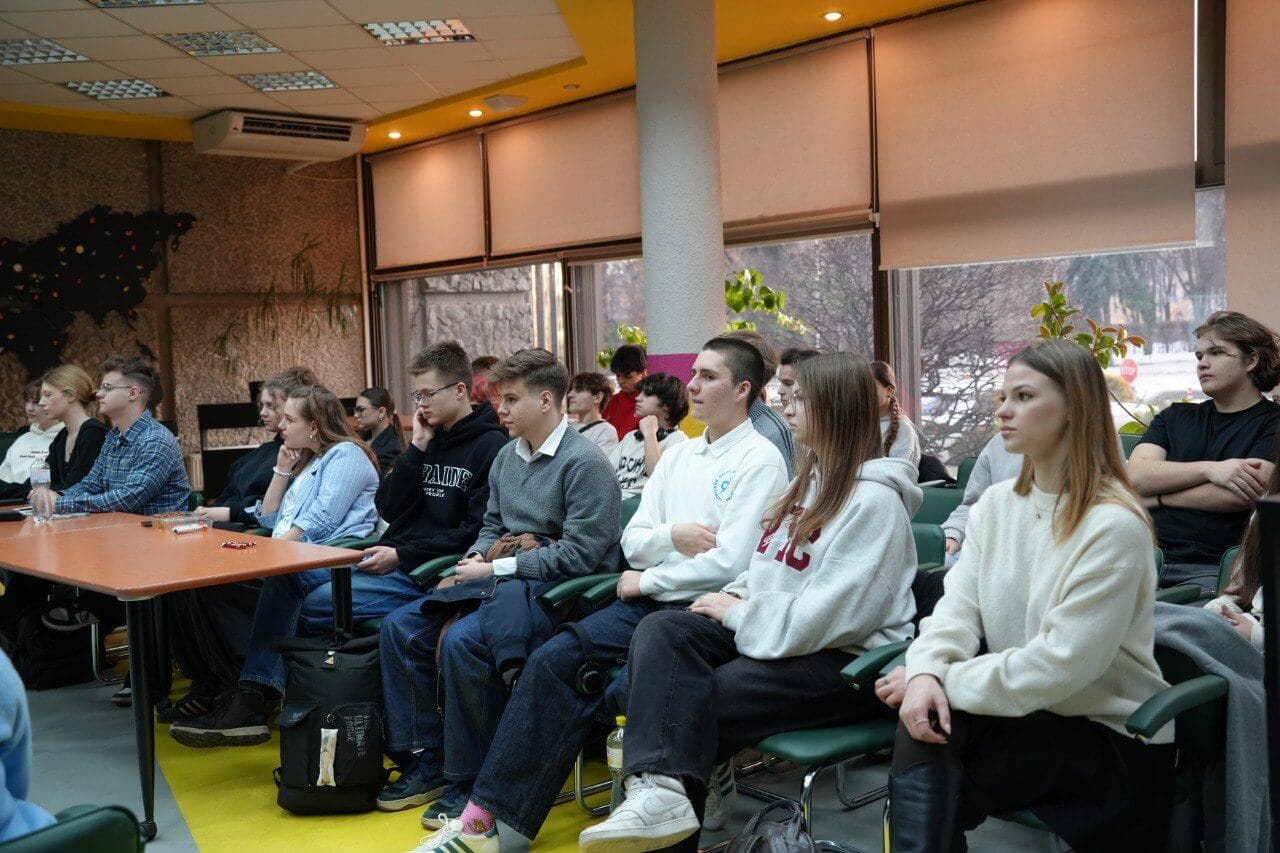
During the session, students explored Mykhailo Bno-Airiian’s experience working at the Ministry of Foreign Affairs, where he served as an assistant to the minister and oversaw the Eastern direction. He shared insights into preparing high-level international visits and explained that, under diplomatic protocol, only four officials are authorized to meet with a foreign head of state: the President, Prime Minister, Minister of Foreign Affairs, and the Speaker of Parliament.
The discussion also focused on energy diplomacy. Students learned about Ukraine’s transition from the Russian energy grid to integration with the European system. Key topics included current energy challenges, the balance between electricity generation and consumption, the development of renewable energy, and the “green-coal paradox” — the need for backup capacity to maintain system stability.
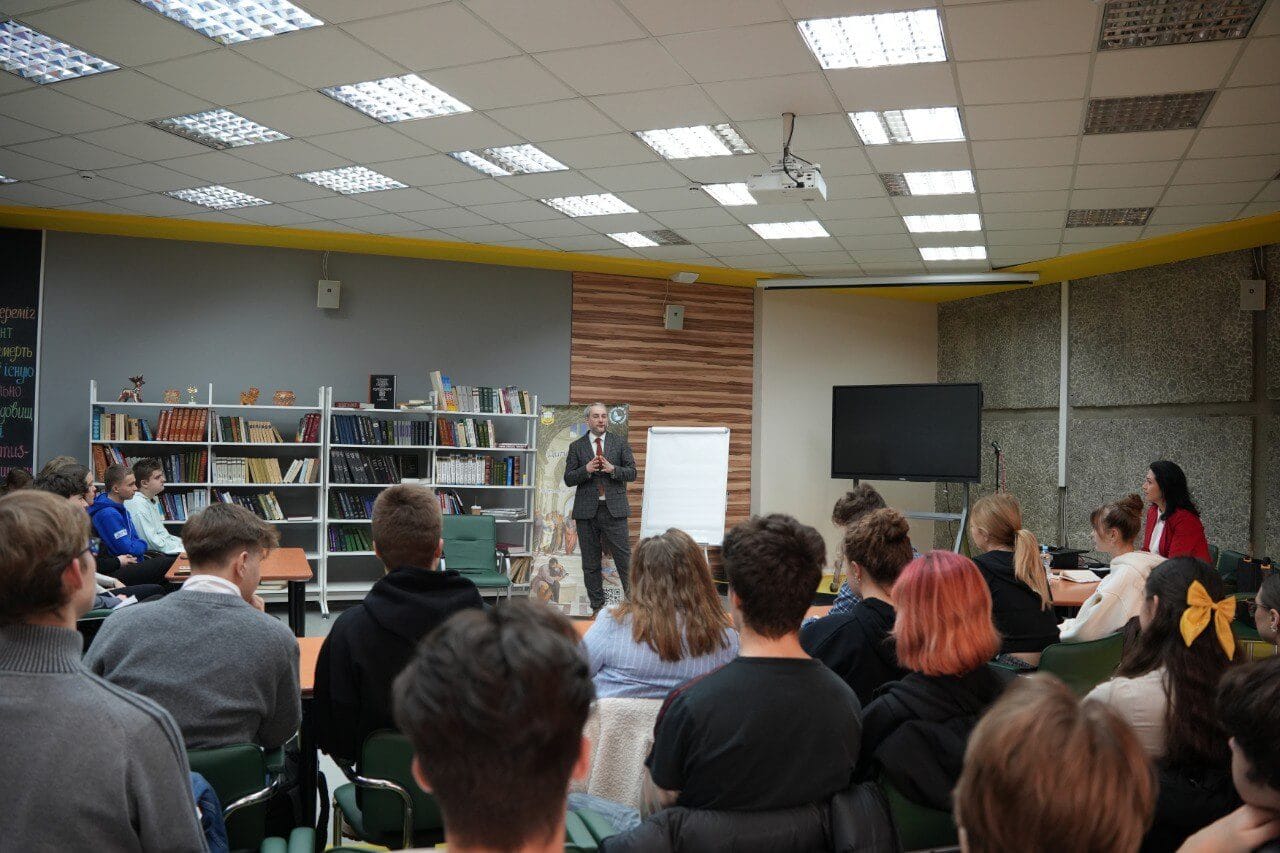
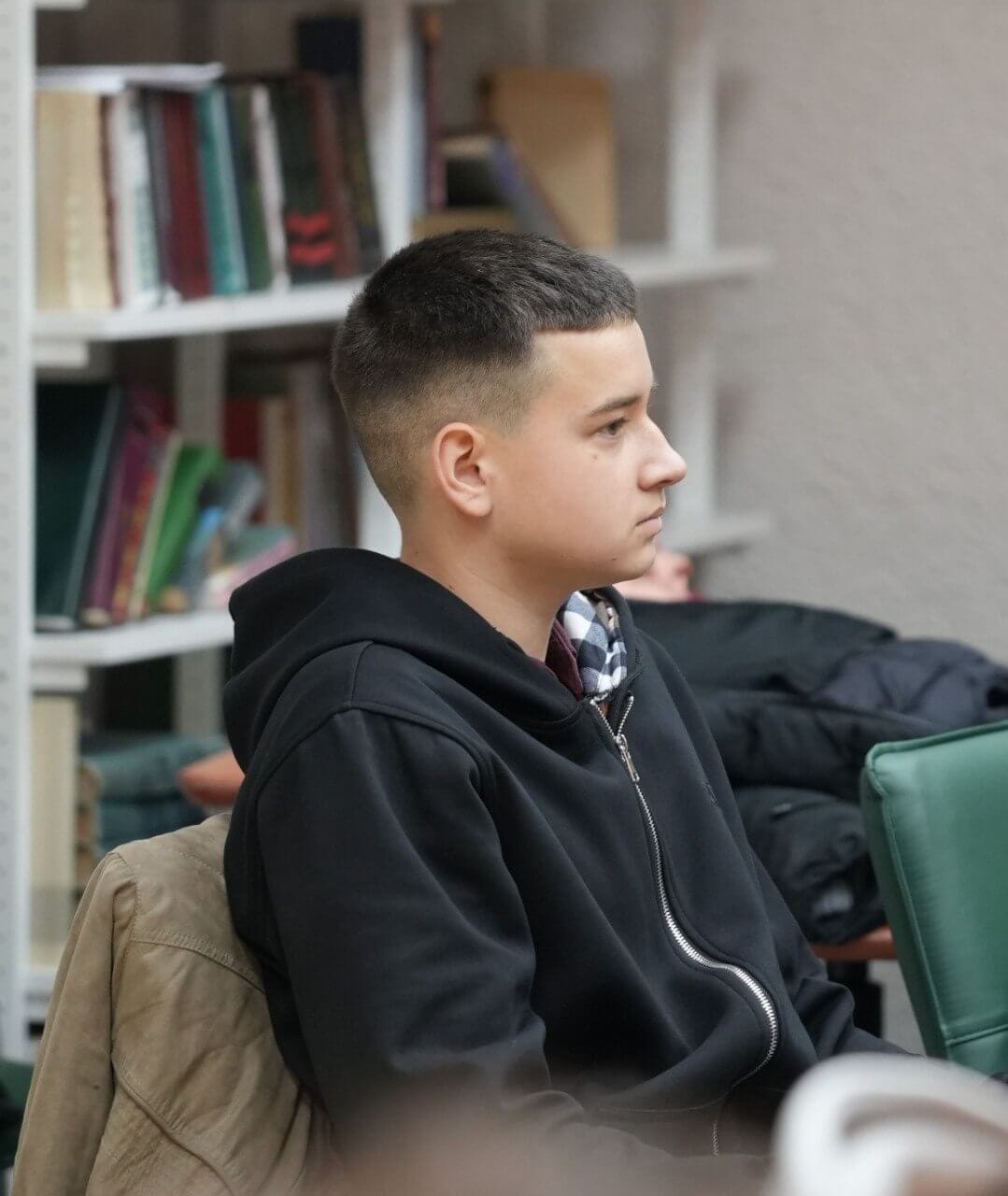
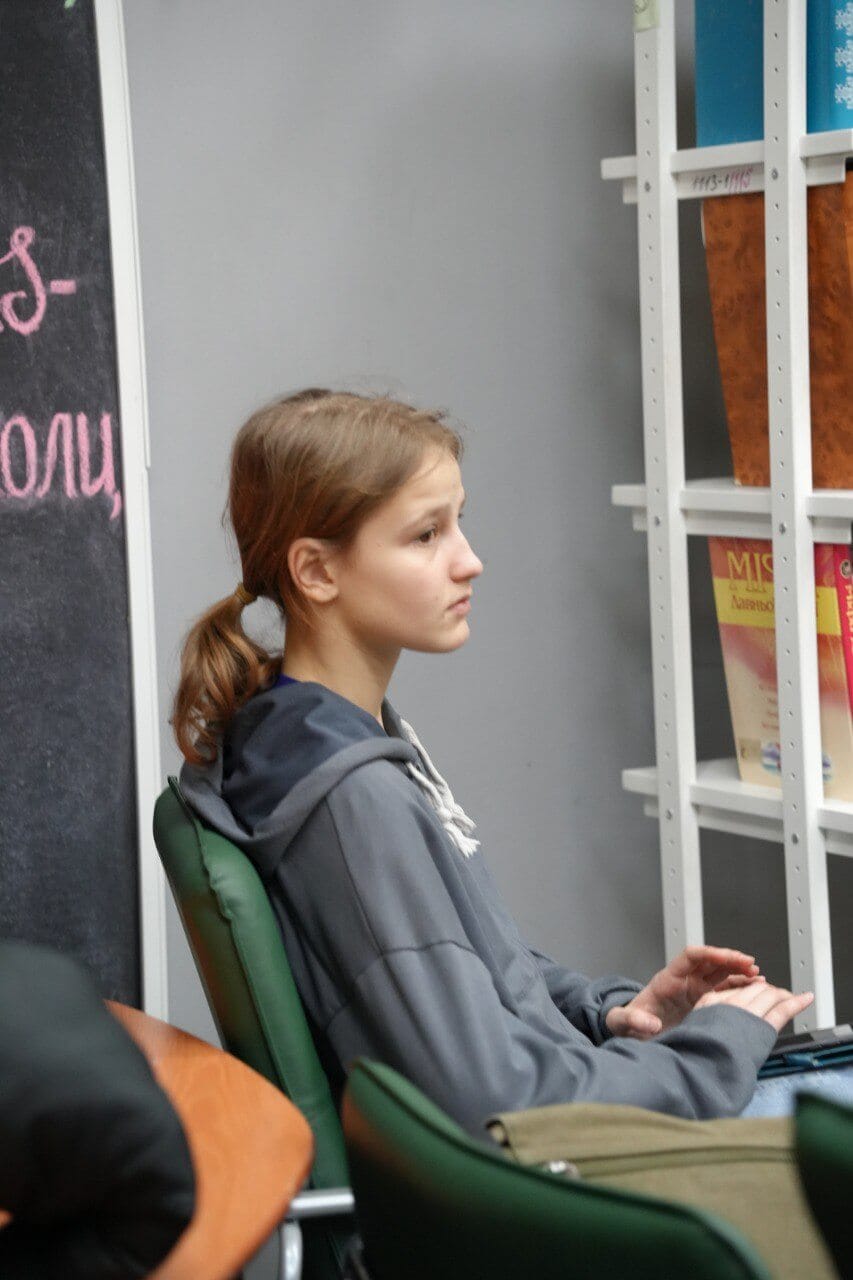
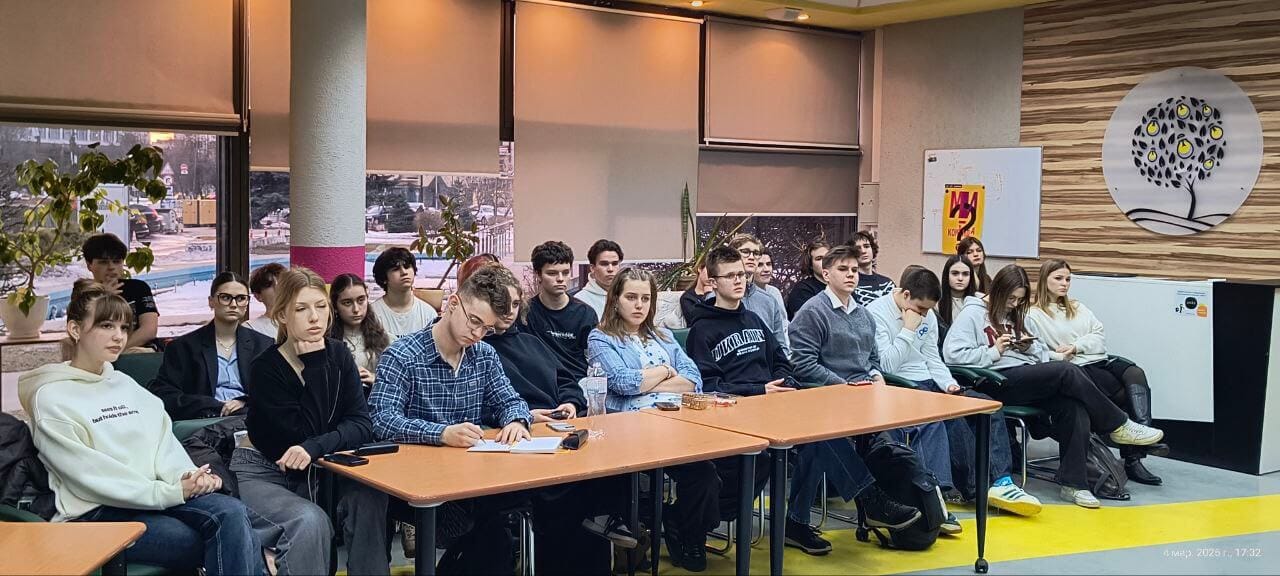
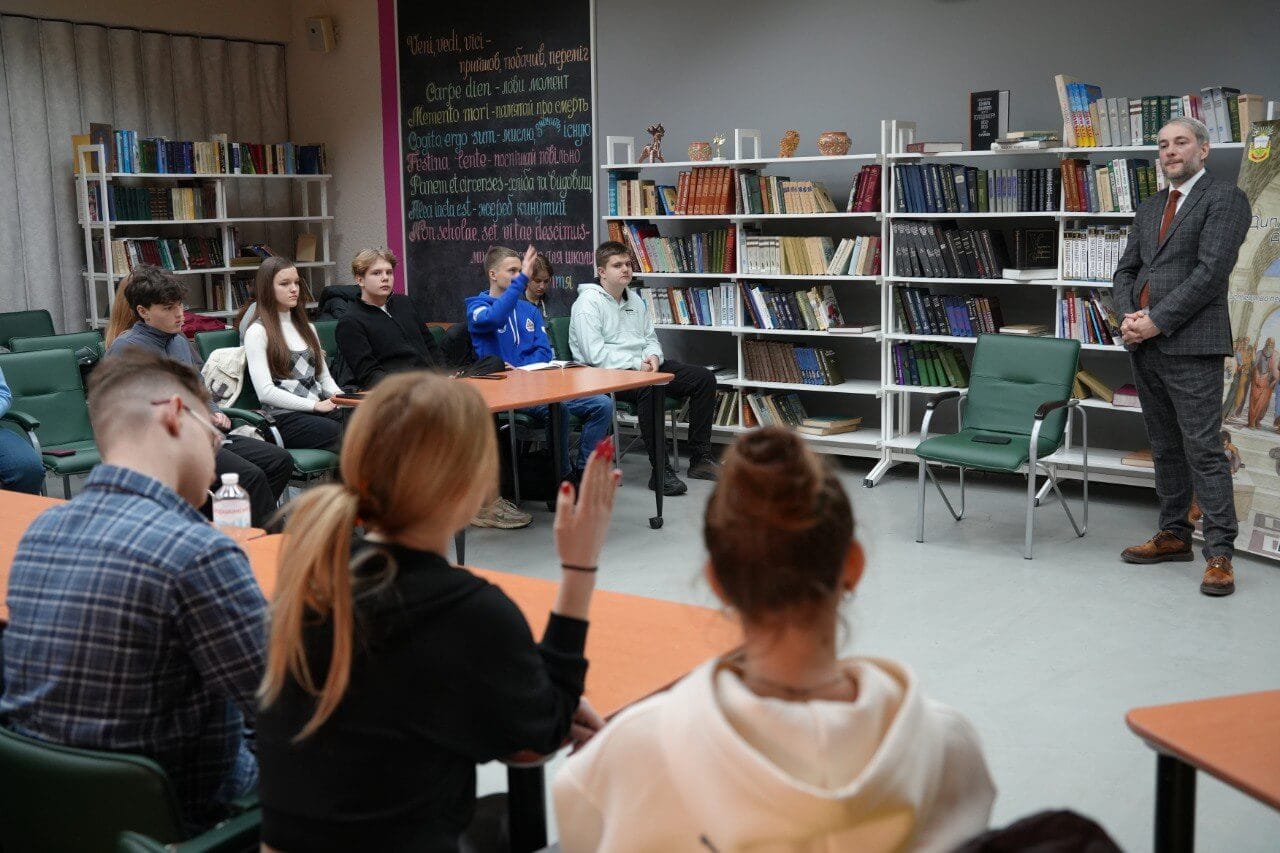
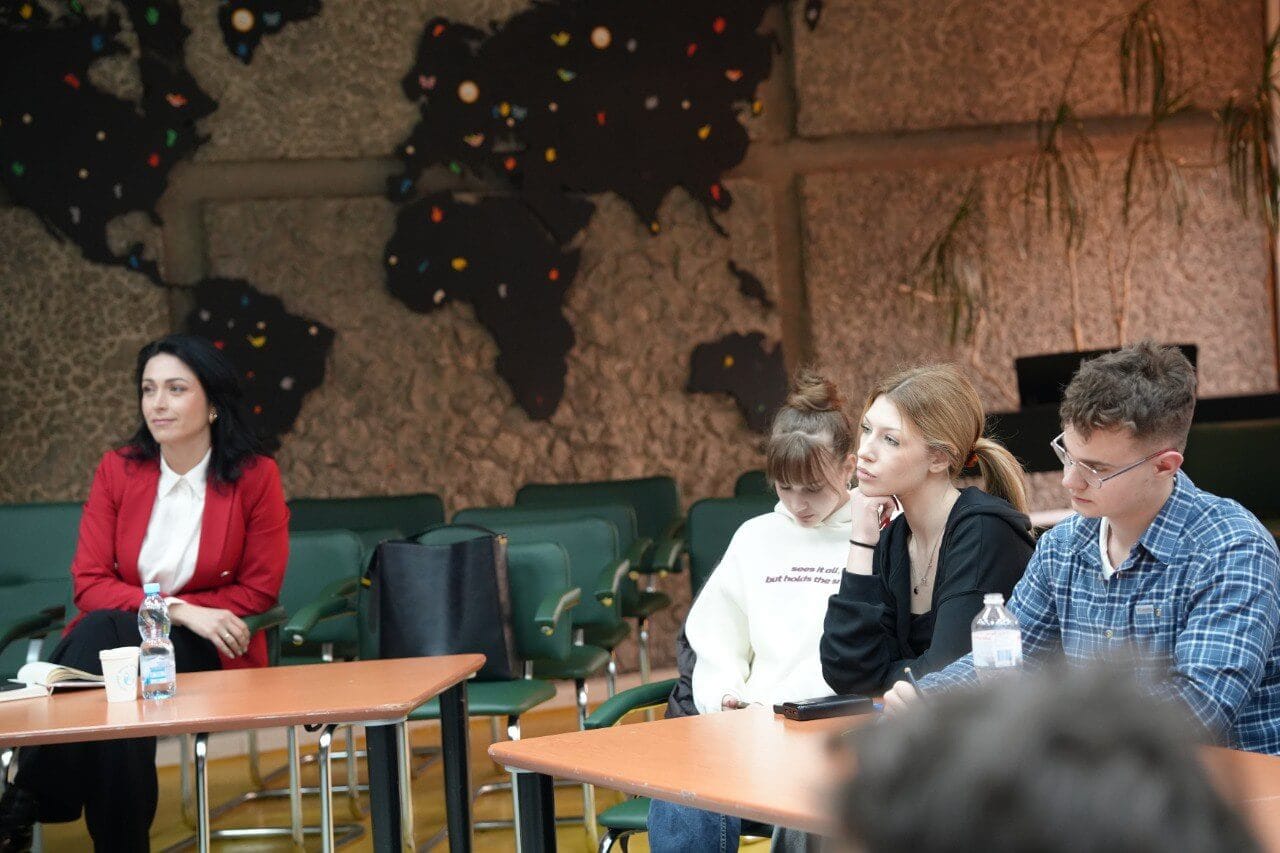
Students also explored the distinction between economic diplomacy and trade diplomacy. The speaker clarified that trade diplomacy is part of a wider framework of economic diplomacy, which encompasses investment strategies, international economic agreements, energy cooperation, and long-term economic partnerships.
The discussion further covered Ukraine’s path toward European integration, offering firsthand perspectives on its origins, as well as the idea of the EU’s “strategic autonomy,” in which Ukraine’s future integration could become a key factor.
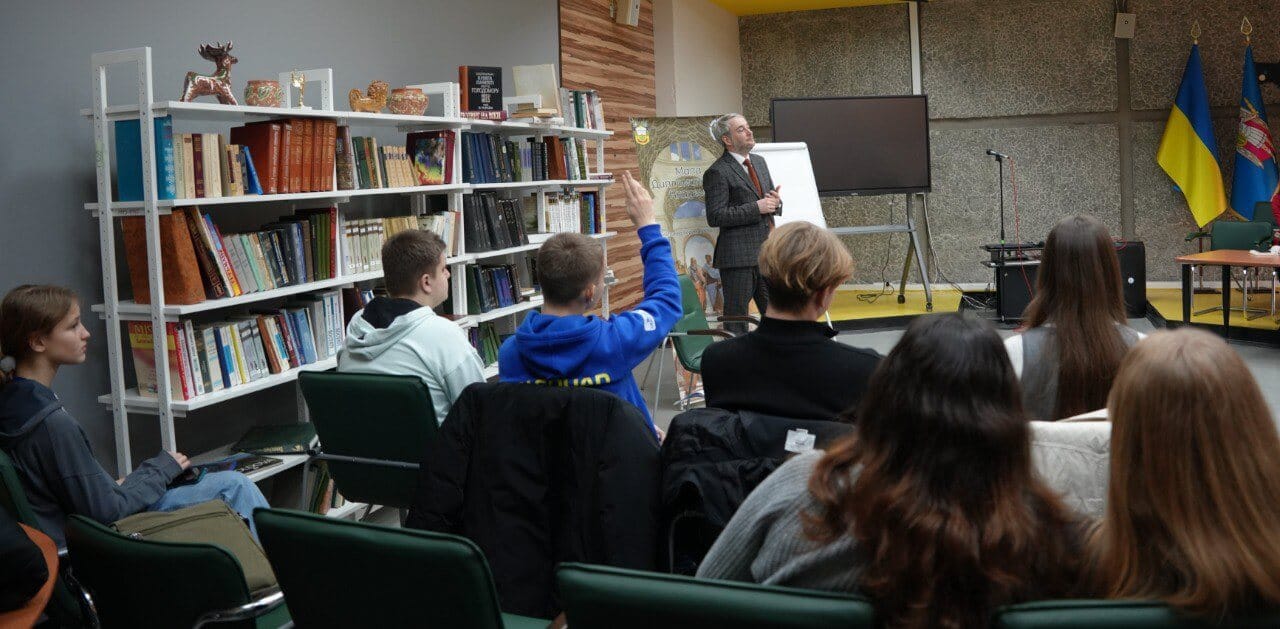
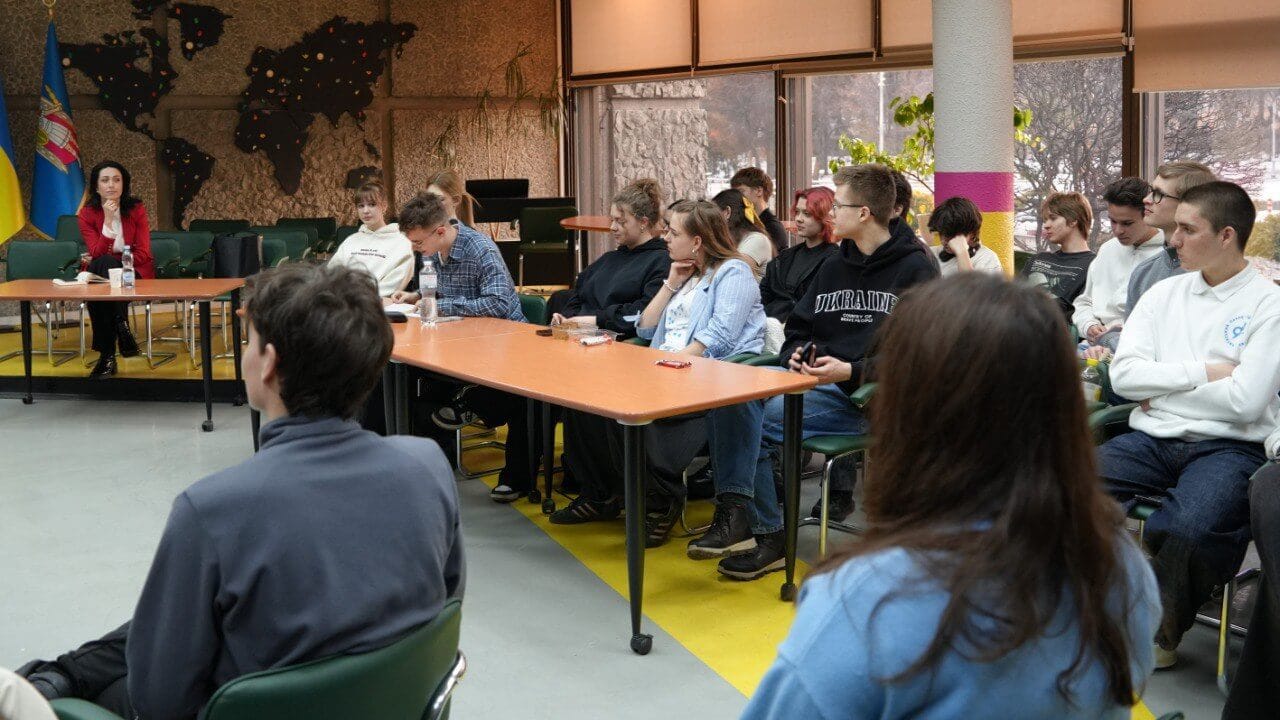
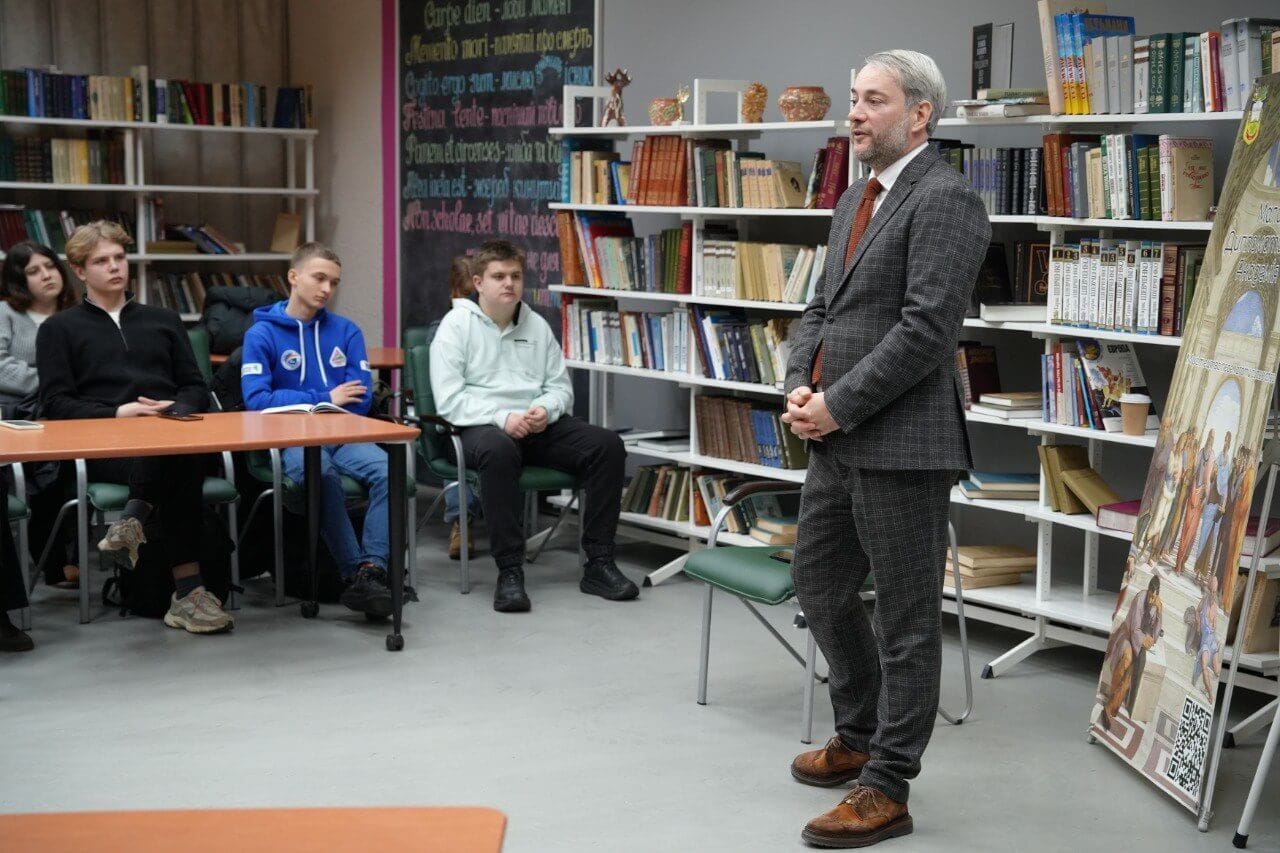
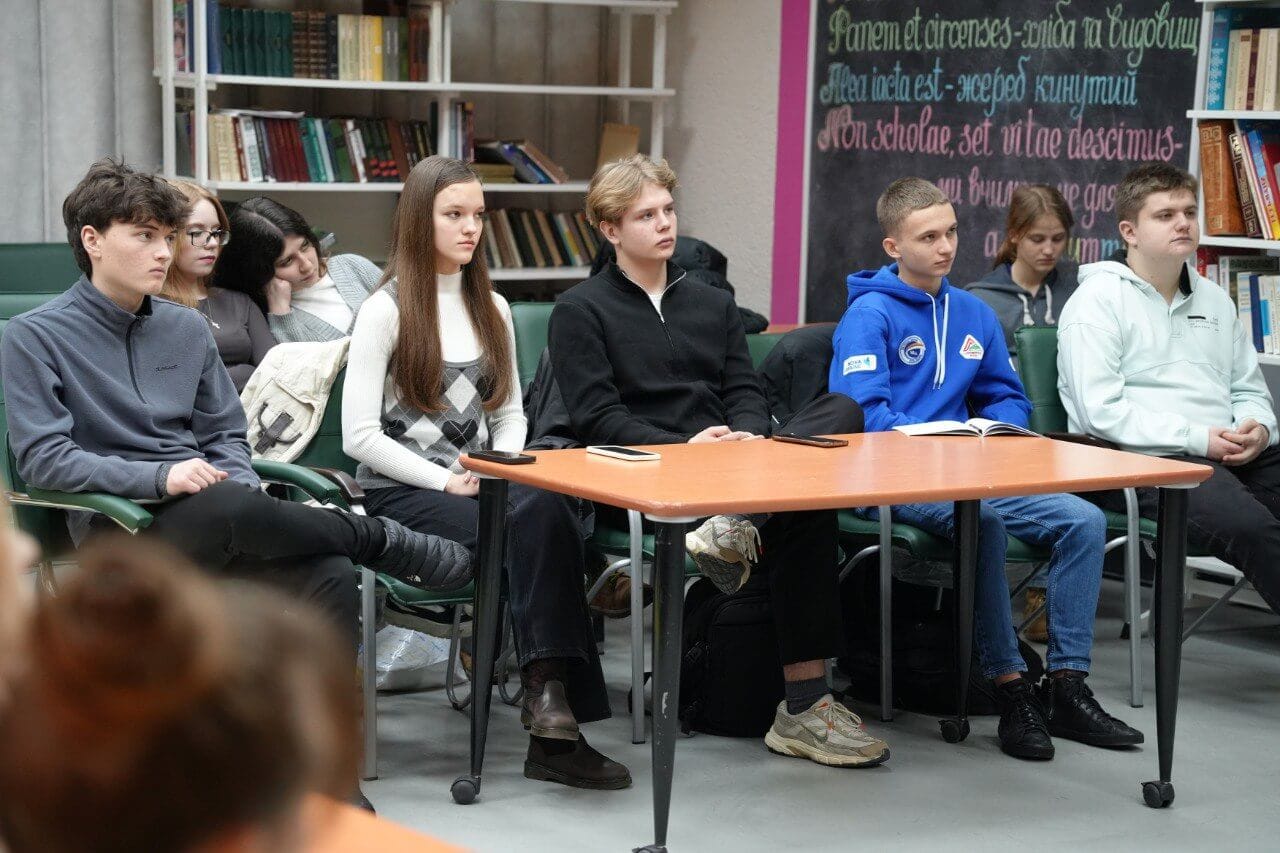
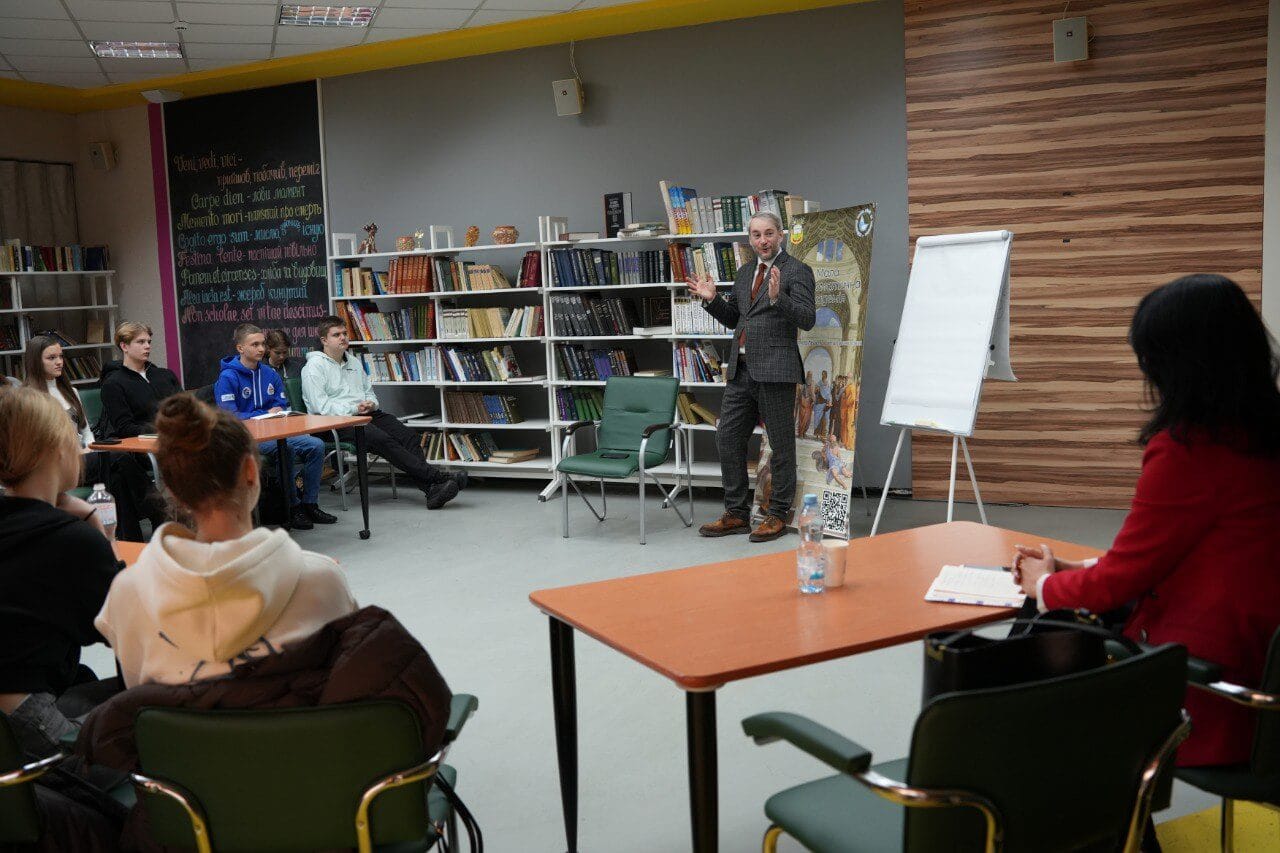
Junior Diplomatic Academy students shared their academic goals and asked insightful questions about careers in international relations.
As Rita Kosyak, Head of the Kyiv Palace of Children and Youth project office, emphasized:
“The students truly appreciated the chance to learn from a professional who has directly contributed to shaping Ukraine’s modern energy and economic policies. This meeting helped them see that diplomacy today extends far beyond traditional negotiations. Energy, economics, investment, and global partnerships are now powerful tools of international influence. Through discussions like these, students begin to understand how Ukraine is positioning itself within Europe and the broader global landscape.”
