An online lecture on “Urban Diplomacy” with Professor Mary Alice Haddad
April 29, 2026
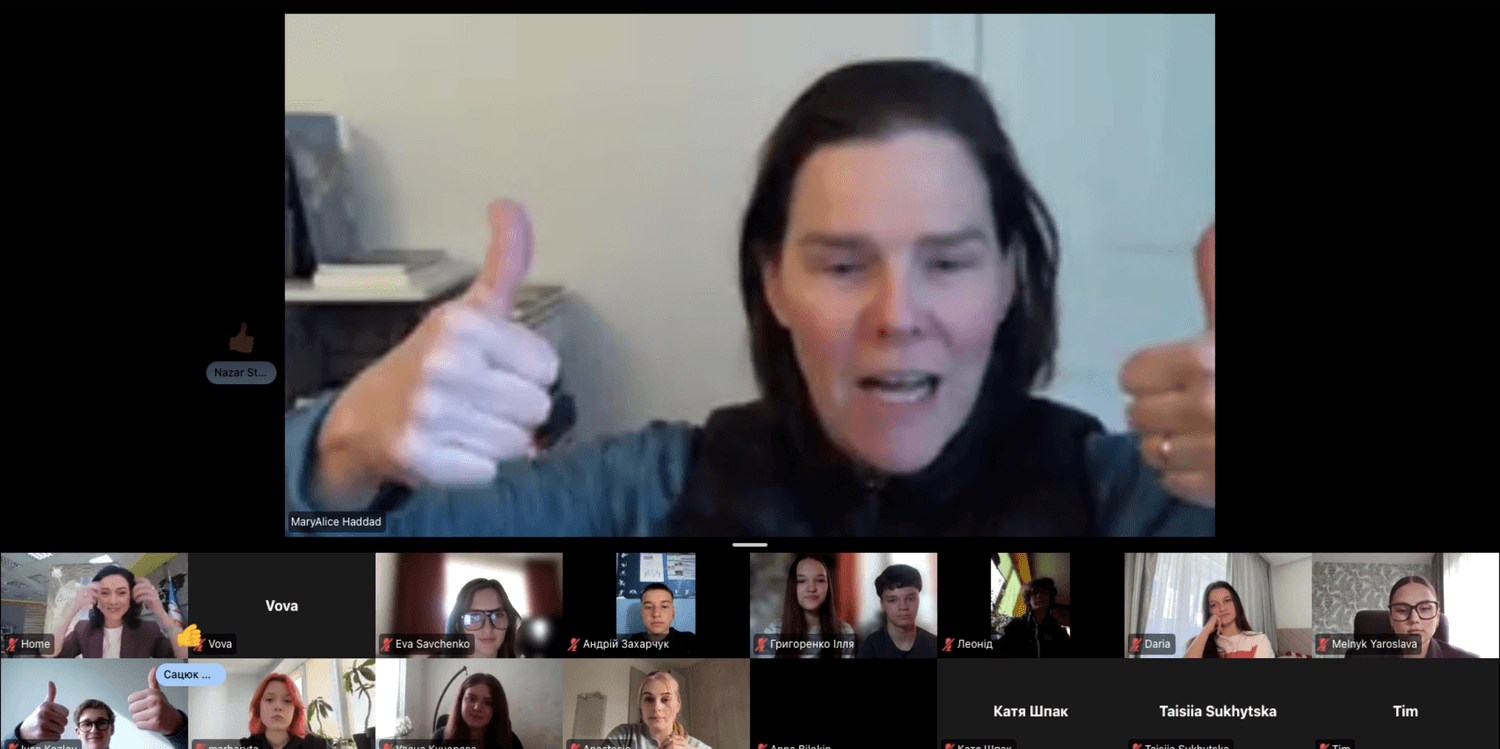
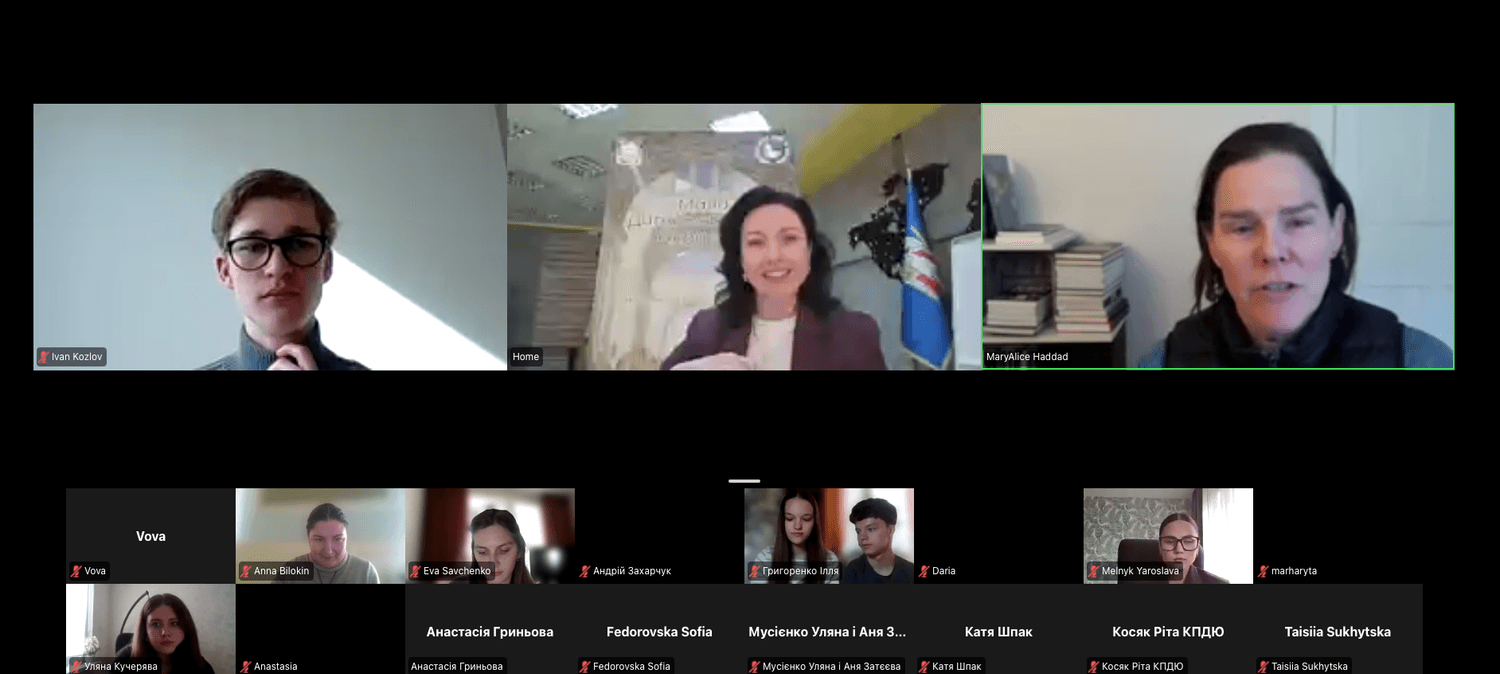
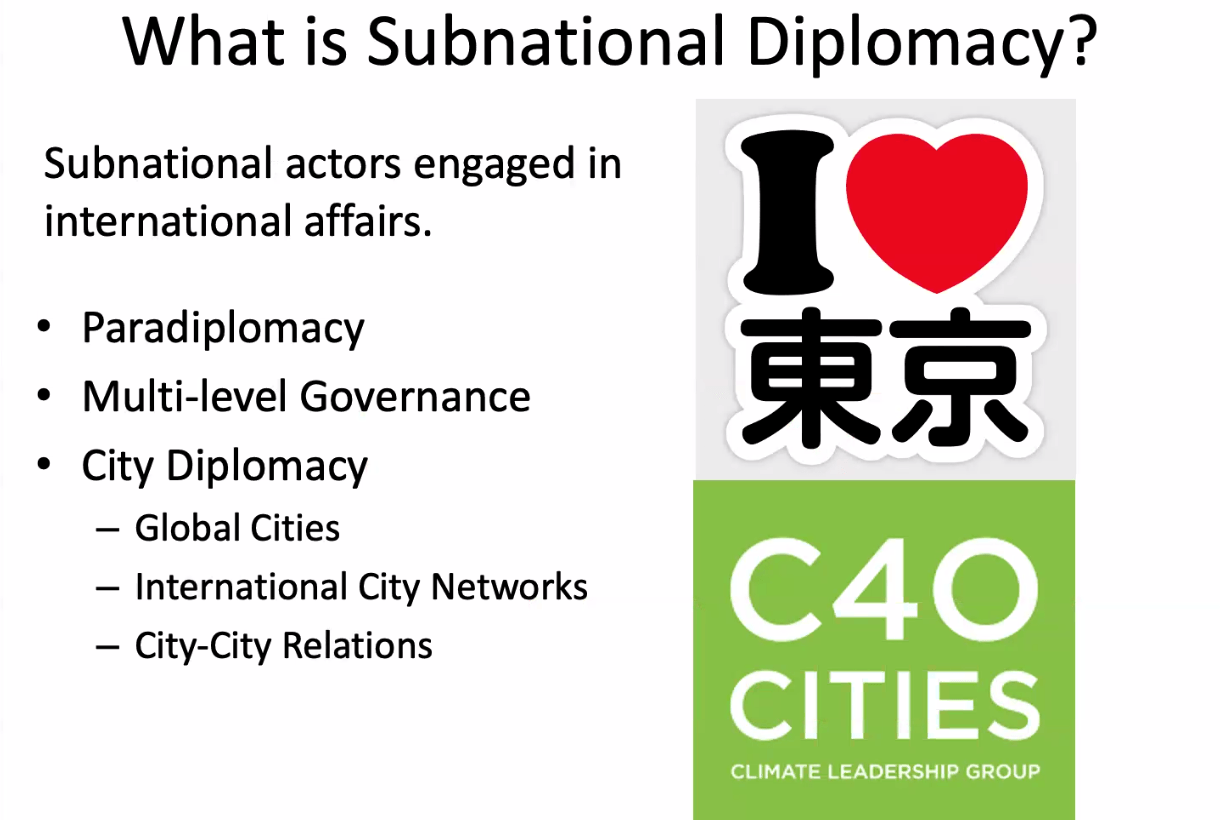
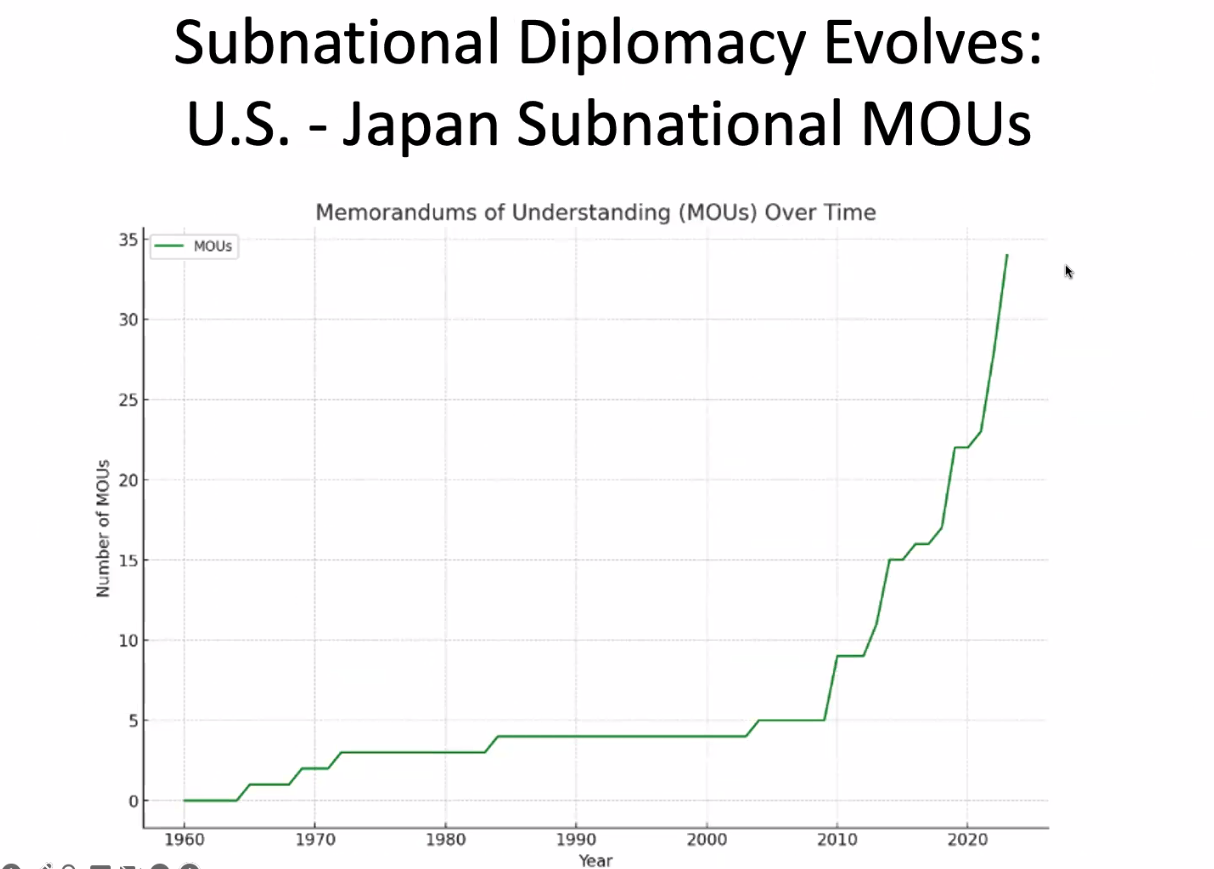
The online lecture with Mary Alice Haddad, Professor of the John E. Andrus Chair and of Environmental and East Asian Studies at Wesleyan University, at the Junior Diplomatic Academy began with a simple yet non-obvious question: where does diplomacy actually take place? The answer gradually unfolded through the concept of subnational diplomacy, which is formed not only at the level of states, but also at the level of cities, institutions, and even individual communities. It is here that such concepts as paradiplomacy and multilevel governance emerge, when international interaction develops simultaneously at different levels, complementing one another.
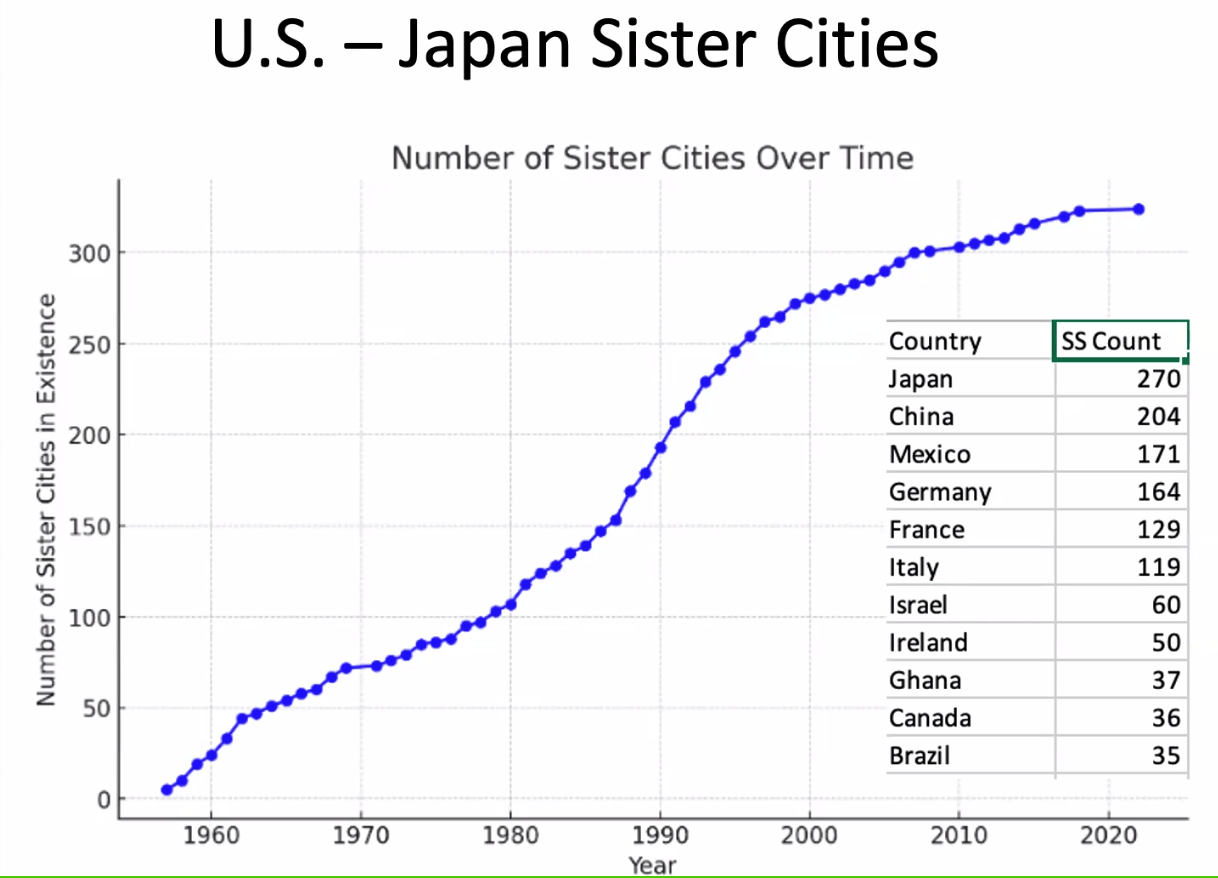
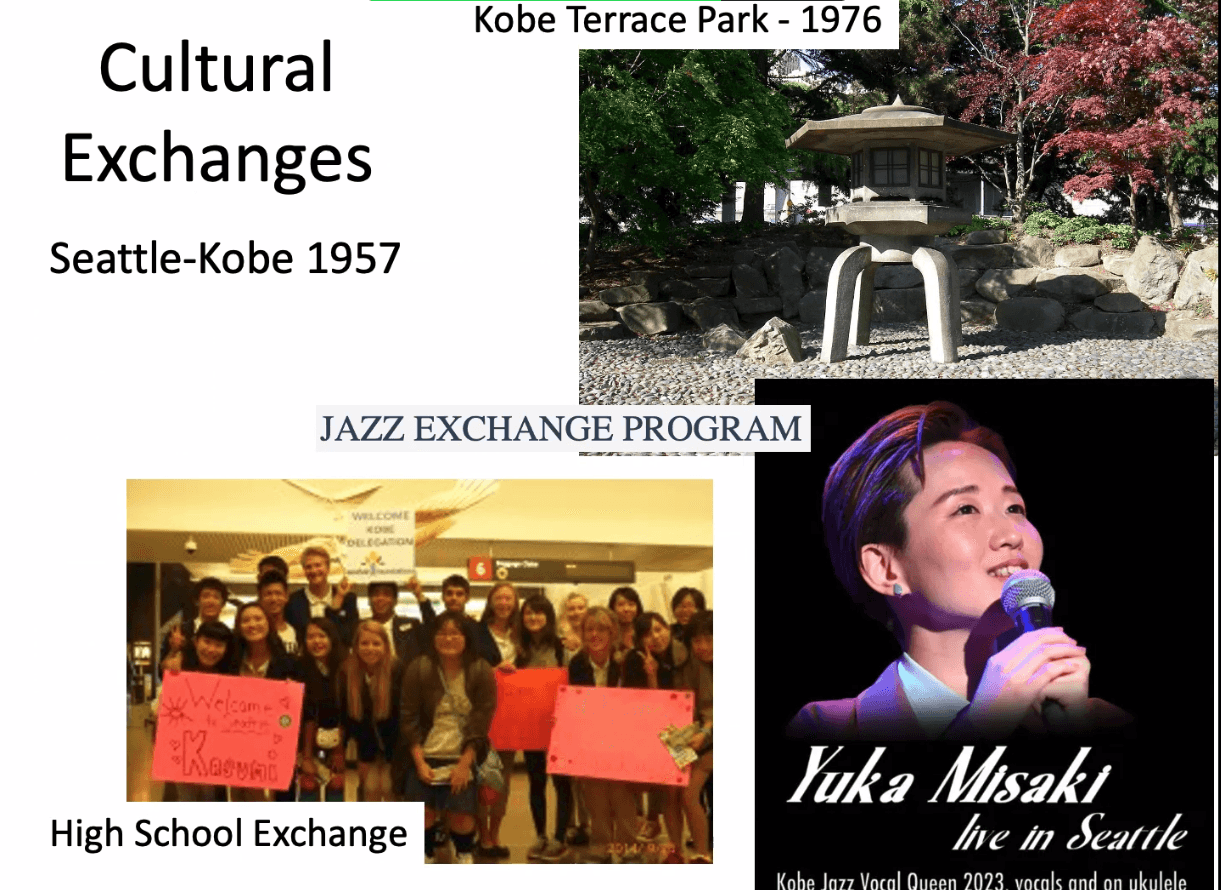
The main focus of the meeting was on urban diplomacy—a vibrant and dynamic form of cooperation, well illustrated by partnerships between cities in the United States and Japan. Stories of the first sister cities, which emerged as early as the mid-1960s, showed how small cultural exchanges gradually evolve into sustainable connections with festivals, educational programs, and mutual visits. In these examples, diplomacy was felt not as abstract policy, but as consistent work built on trust.
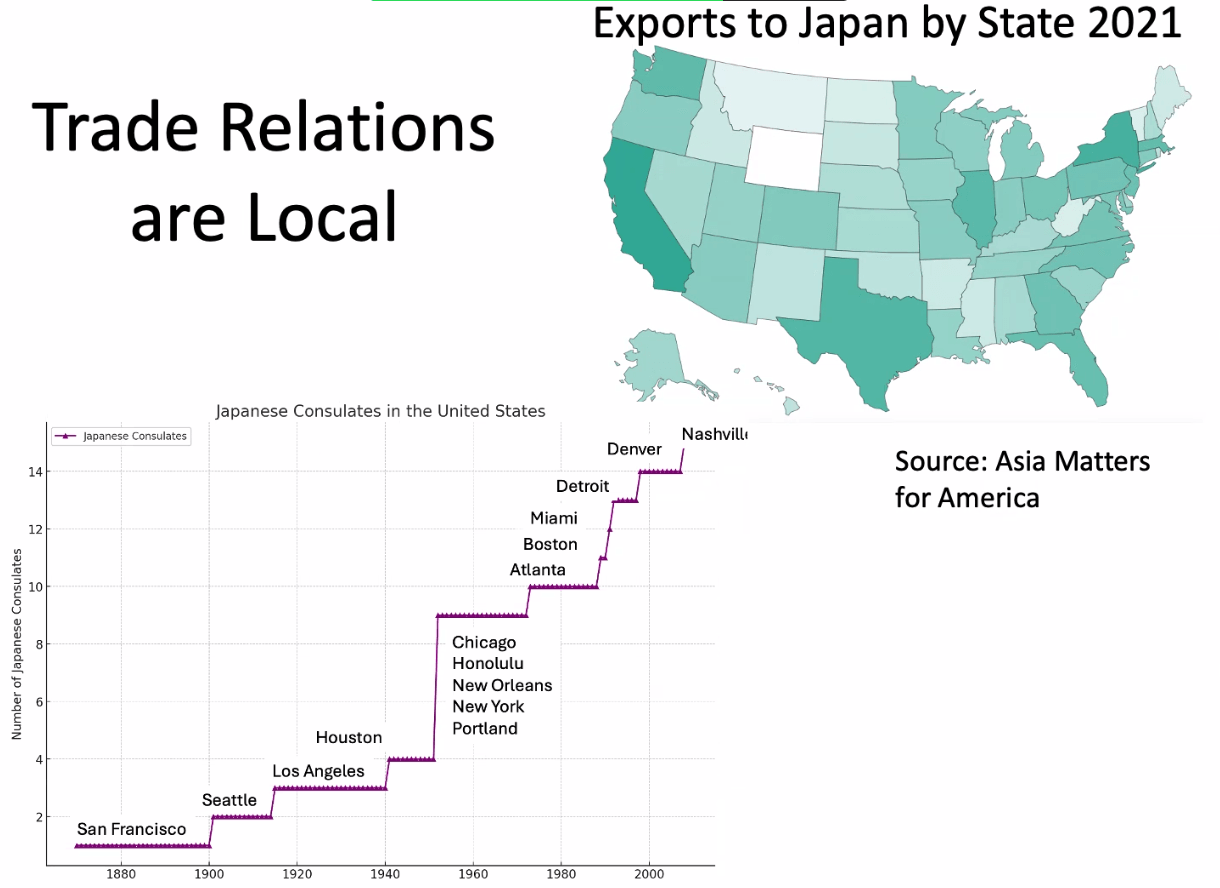
A key part of the discussion focused on the economic side of diplomacy. One idea stood out: global trade actually starts at the local level. It’s not countries that produce goods, but cities and factories—and those goods are delivered not to abstract nations, but to real people in real places. This perspective highlights how influential cities truly are in global processes.
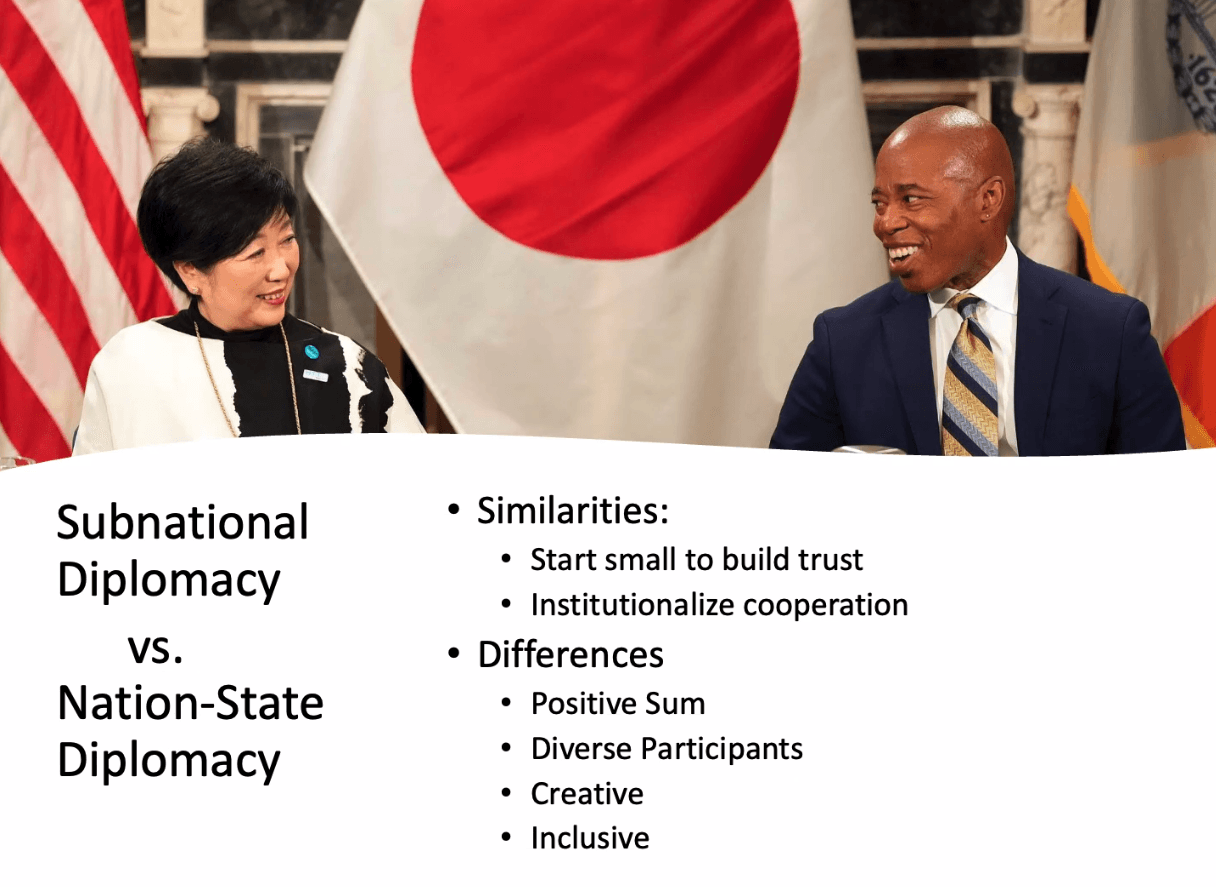
The conversation then expanded beyond cities, showing that similar forms of diplomacy exist between universities, hospitals, and corporations—anywhere there is shared interest and a willingness to collaborate. Cities, in particular, have the freedom to initiate international projects, experiment with new formats, and engage diverse partners. This makes urban diplomacy more flexible, creative, and open compared to traditional state-level diplomacy.
At the same time, participants recognized a common principle: whether at the national or local level, meaningful partnerships begin with small connections. Trust doesn’t happen instantly—it grows through consistent interaction, mutual understanding, and the ability to find common ground.
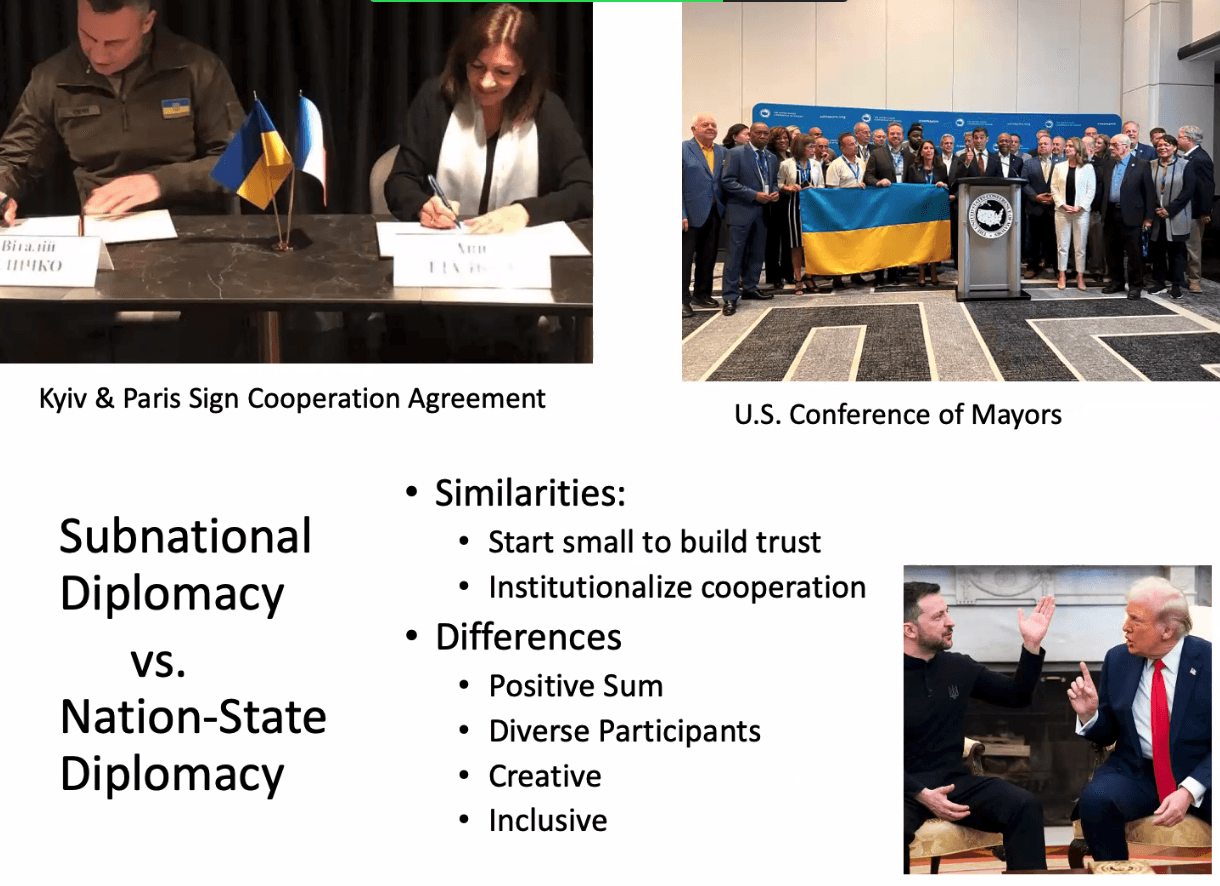
The lecture also explored the Ukrainian context, showing how international partnerships can play a vital role in rebuilding cities—not only through funding, but through knowledge exchange, expert involvement, and collaboration with local businesses. A key takeaway was the importance of “win-win” partnerships, where both sides clearly benefit from cooperation.
In the final part, the discussion turned to challenges such as finding the right partners, managing differences in resources, and planning for the long term. Yet these challenges were framed as opportunities—highlighting that cities can already act as active players in global dialogue. In many ways, it is these local connections that lay the foundation for a new model of international cooperation.
“We are sincerely grateful to Mary Alice for such a clear and practical discussion on urban diplomacy. For our participants, it was especially valuable to see that international cooperation begins not only at the level of states, but also through cities, universities, and communities—and that they can already take part in it. This perspective helps them see diplomacy not as something distant, but as a real, accessible tool for action”, noted Rita Kosyak, Head of the Project Office at the Kyiv Palace of Children and Youth.
